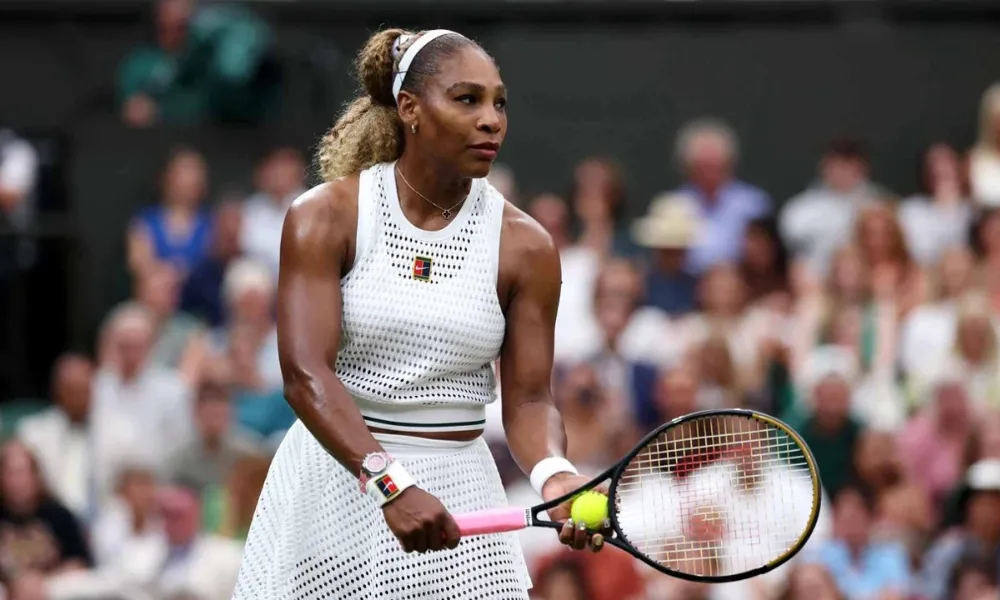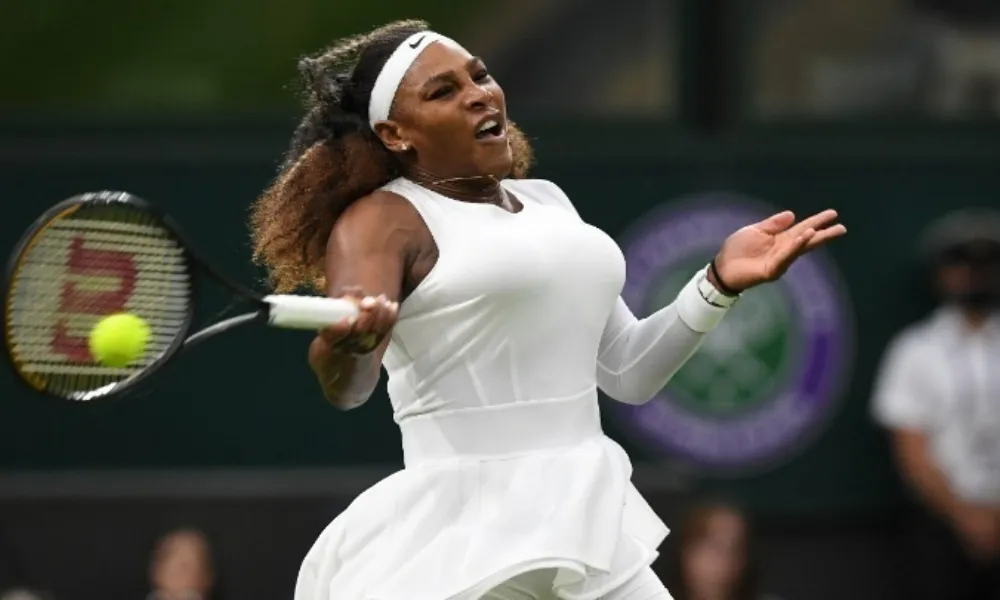



Serena Williams returns to the singles court at Wimbledon on Tuesday for the first time in almost four years, facing 20-year-old Australian Maya Joint on Centre Court. At 44, she becomes the second-oldest woman to compete in the tournament's main draw in the Open Era, behind only Martina Navratilova, and is also entered in doubles alongside her sister Venus, 46.
Her return fits a wider pattern. This summer's men's football World Cup features a record eight players aged 40 or older, more than in all previous tournaments combined. Lewis Hamilton continues reaching Formula 1 podiums at 41, the same age as LeBron James, still central to the Los Angeles Lakers' roster. Strength and conditioning coach Nick Grantham, who works with Newcastle United, said modern tracking technology now gives coaches granular insight into how an athlete's body responds to training, down to nutrition and load management, removing much of the guesswork that once defined athlete care.
That shift has coincided with greater financial resources in many sports, letting top athletes build extensive support teams covering recovery, conditioning and nutrition. Grantham described this as the "24-hour athlete" concept, where the hours away from competition matter as much as training itself. Former coach Paul Annacone, who worked with Roger Federer and Pete Sampras, said the core challenge is balancing intensity with recovery, since older bodies need more time to recover and cannot sustain the same workloads without risking breakdown.
The physiology is well documented: muscle mass declines roughly three to eight percent per decade after 30, fast-twitch fibres lose explosive power, tendons stiffen and neural processing slows. Osteopath Keith Gladstone said that although ageing cannot be stopped, its effects on performance can be meaningfully slowed.
Female athletes face additional hormonal considerations, though experts caution against treating age as a fixed marker of decline. Dr Bryna Chrismas of Loughborough University said a female athlete in her 40s should not automatically be considered fragile, since some remain in regular cycles while others are in early or late perimenopause, and each case needs individual assessment. Current evidence does not support the idea that women lose the capacity to build strength with age, she said, provided training load, recovery and nutrition are properly managed.
Williams began her comeback in doubles, winning her first match back with Canadian player Victoria Mboko before Mboko withdrew from the following round with a knee injury. Williams rated her own performance a "C-" afterward. Annacone said singles brings different demands, requiring longer rallies and greater court coverage, though Williams's serve could help shorten points on grass.
Coaches point to one advantage offsetting physical decline: accumulated experience. Grantham cited Argentina's Lionel Messi, 39 and playing in his sixth World Cup, as an example of how positioning and decision-making reduce the physical toll required to remain effective.
Williams arrives with a 98-14 career record across 11 Wimbledon finals, and has won more grass-court singles titles than any WTA player since 1990. She has said the comeback is not primarily about winning, telling reporters she has already won more than most people achieve in a lifetime and has nothing left to prove. Asked why she wanted to return, she pointed to her daughters, Olympia and Adira, calling the chance to compete again, possibly one last time, exciting.
Source: The Athletic