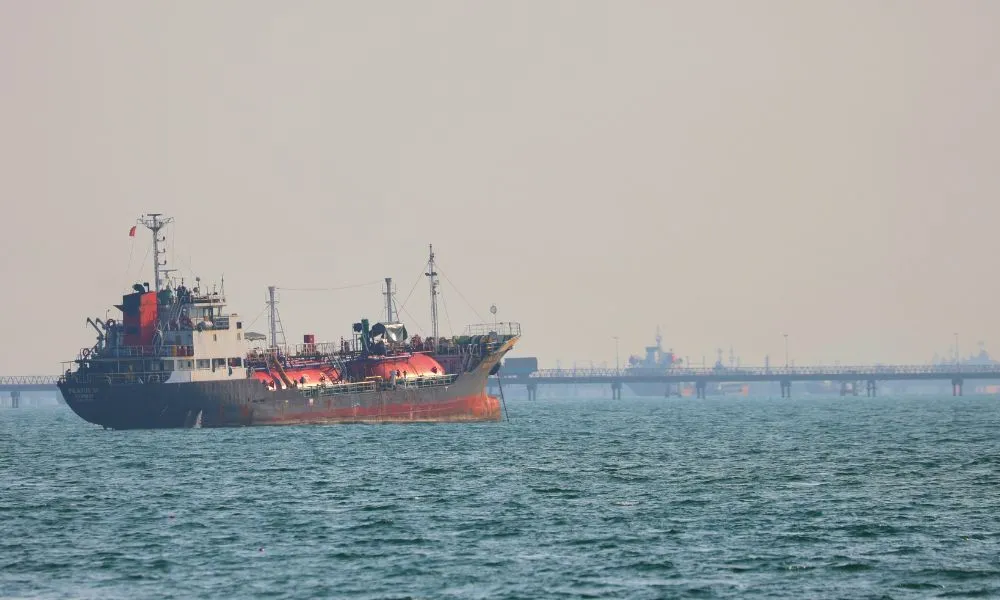
Shipping traffic through the Strait of Hormuz recovered on Monday following a weekend slowdown triggered by a flare-up in strikes between Iran and the United States. Maritime tracking firm Kpler recorded 40 ships transiting the waterway, up from 24 the previous day and 39 on Saturday.
Vessels had begun moving through the strait in larger numbers last week after the United States and Iran agreed to a ceasefire and a 60-day window of negotiations aimed at ending the war. Last Wednesday saw 76 ships pass through the strait, a critical route for global oil and gas shipments, the highest daily figure since 1 March.
Hundreds of vessels have been stranded in the Persian Gulf since Iran effectively blockaded the waterway following US and Israeli strikes on the country in late February. Iran has insisted that ships transit the strait via a route closer to its own coastline, and while many vessels have complied, others have continued using an alternate route near the coast of Oman, at times with assistance from the US military. Ships passing through on Monday were roughly evenly split between the two routes, with the Omani route used mainly for westbound traffic and the Iranian route mostly serving eastbound vessels. Many ships switch off their transponders before entering the strait, however, making it difficult to track exactly which route they take and leaving only a partial picture of overall traffic volumes.
US and Iranian negotiators are expected to arrive in Doha on Tuesday for a fresh round of talks, though the two sides remain far apart on key issues, including the future of Iran's nuclear programme.
Source: The New York Times