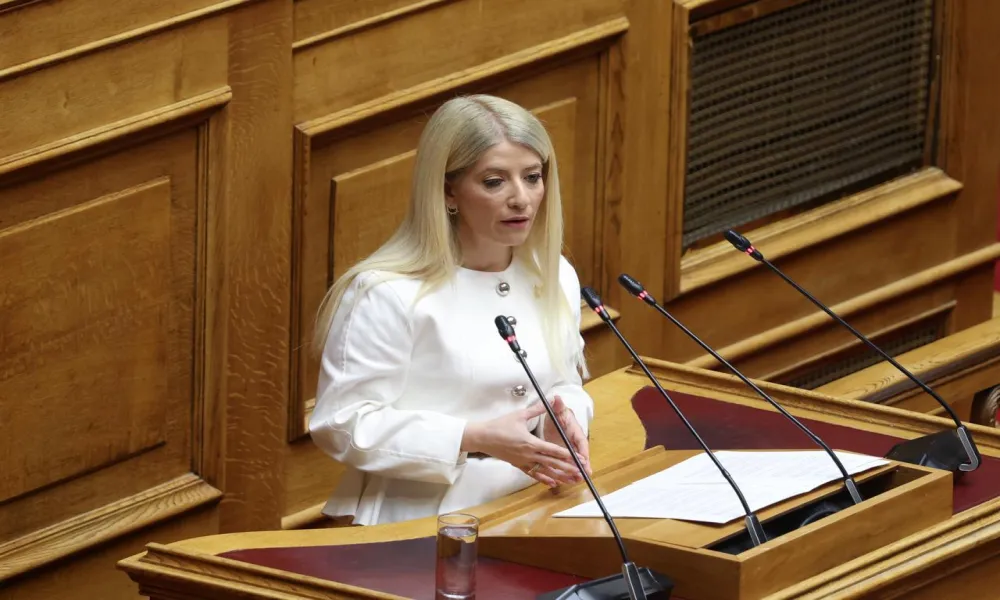

Addressing the plenary session of the Greek Parliament, Annita Demetriou argued that Greece and Cyprus have the capacity to transform their geographic position into a source of power. She described the two countries as neighbouring European democracies with unbreakable historical and national ties, situated at the most sensitive edge of Europe, living alongside wars, crises, migration pressures, energy shifts, hybrid threats and revisionist behaviour.
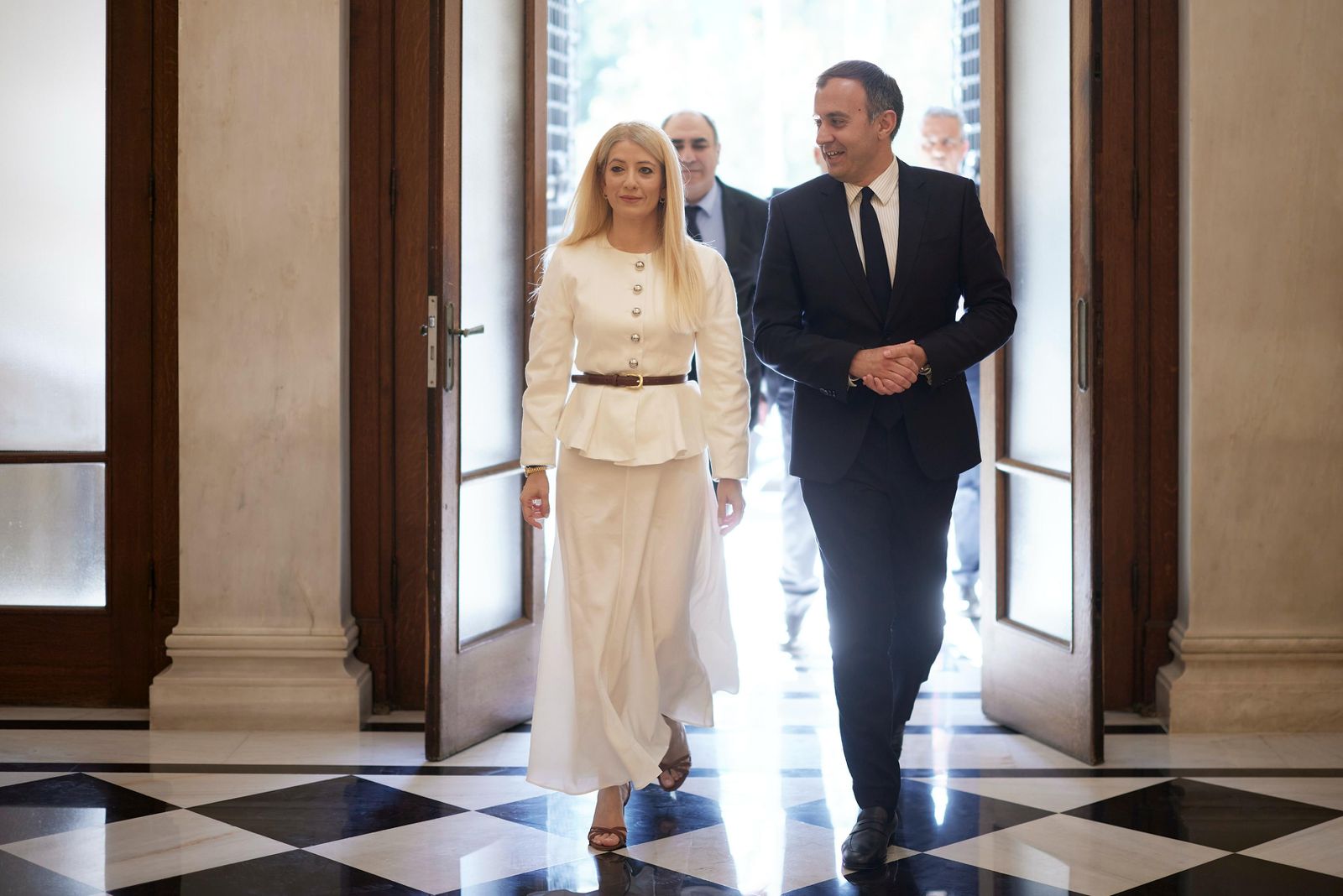
"Greece and Cyprus know that peace requires outward engagement, security requires deterrence, and development requires stability," she said, adding that both countries should position themselves as a unified European gateway of the South-Eastern Mediterranean toward the Middle East, North Africa and Asia.
A more decisive Europe
Demetriou called on the European Union to move from what she described as a Europe of hesitation to a Europe of decisiveness, with faster decision-making, a more unified foreign policy voice, real defence capacity, deeper energy union, shared competitiveness tools and stronger solidarity mechanisms.
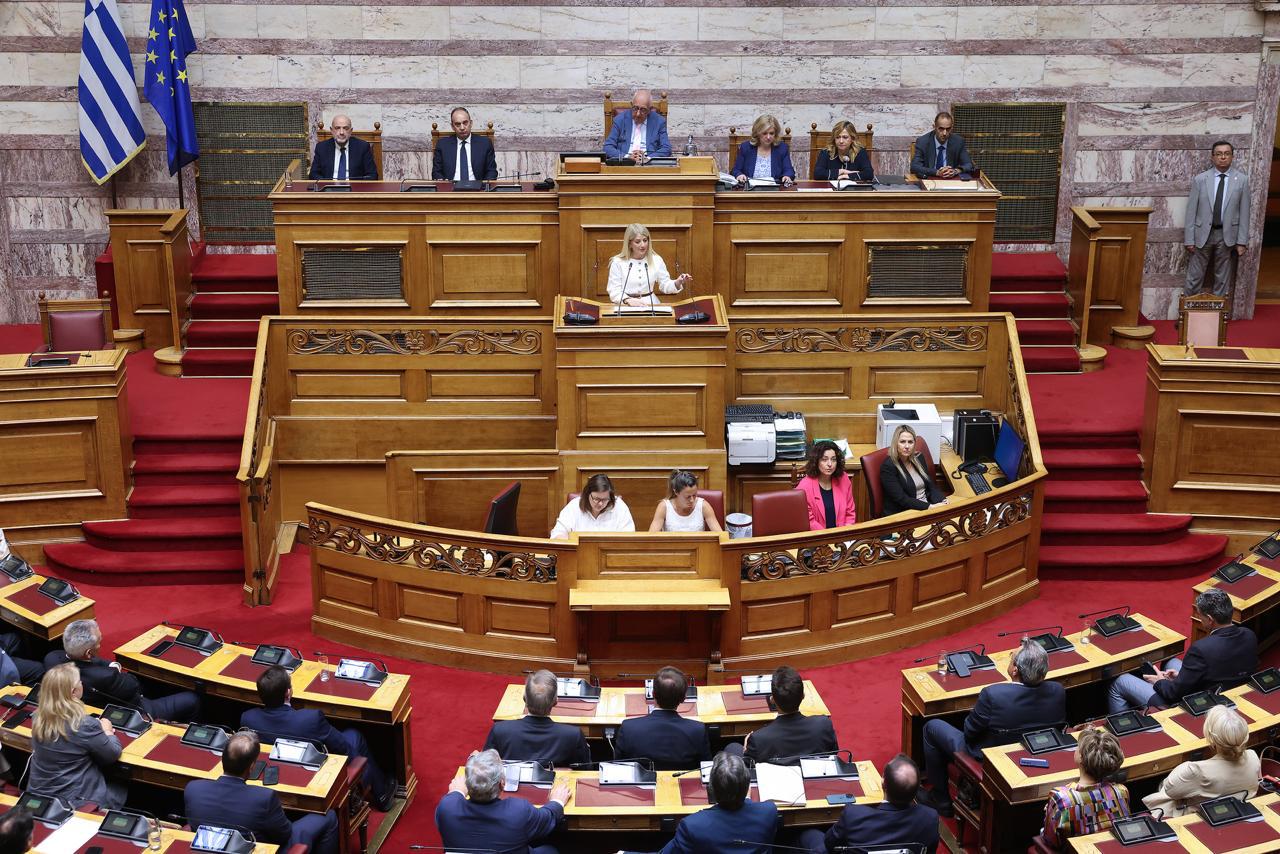
She stressed that Greece and Cyprus have every reason to be at the forefront of this debate, not only because they form the external borders of the Union, but because they experience its major challenges earlier and more acutely than other member states.
"We must move beyond the false dilemmas holding us back. Europe needs both fiscal responsibility and investment boldness. Both open markets and strategic protection of critical sectors. Both humanism and effective border protection. Both a green transition and energy security," she said.
Defence spending and a clear warning
Demetriou made specific reference to the SAFE programme and efforts to strengthen the European defence industry, describing them as necessary steps that enhance joint procurement, interoperability, expertise and productive capacity. She issued a direct warning, however, stating that it was "unthinkable" for European funds for armaments to end up strengthening a country that maintains occupation forces on European soil and issues war threats against another member state.
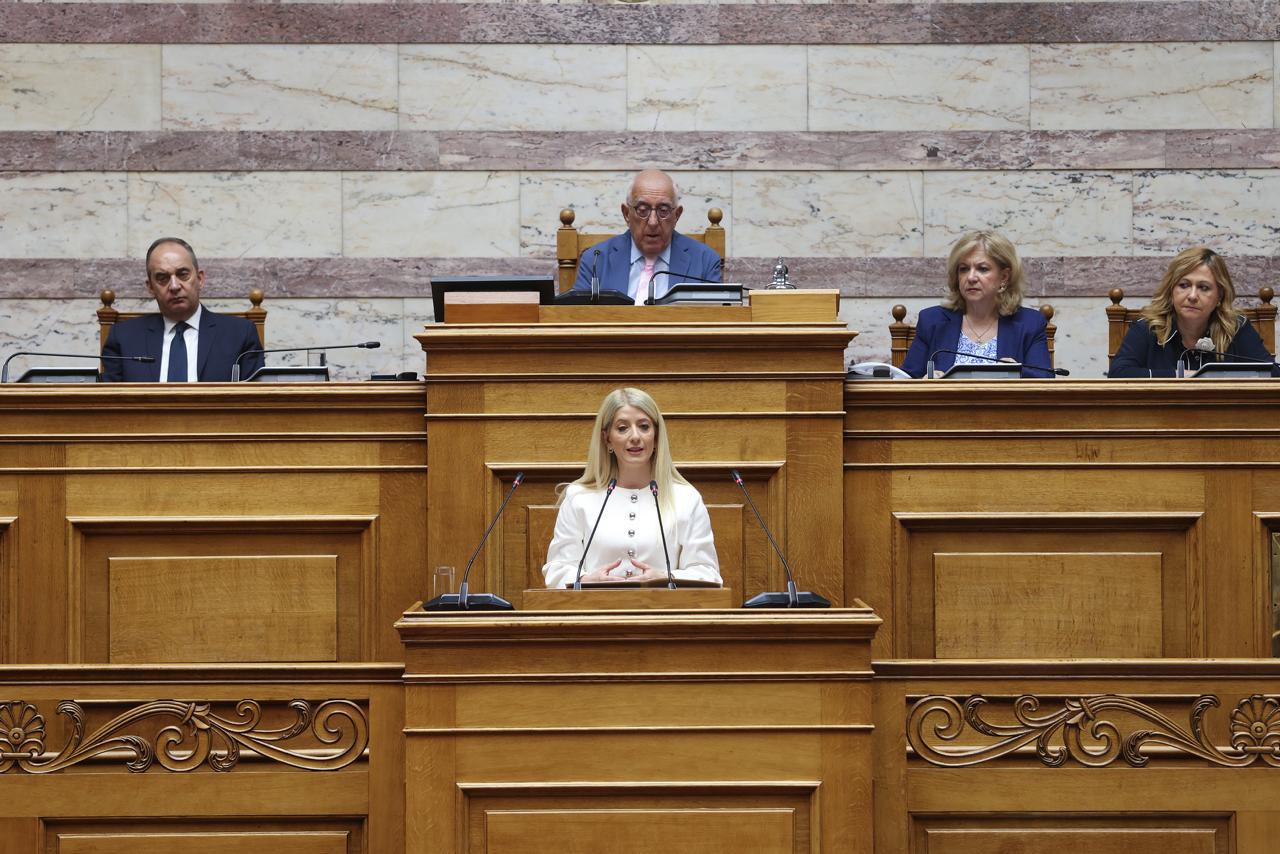
"The participation of third countries in such mechanisms cannot be treated as a procedural matter. It is a deeply political issue of European security, solidarity and credibility," she said.
Energy interconnection
On bilateral cooperation, Demetriou highlighted the historic significance of joint Greek-Cypriot planning, pointing specifically to natural gas and electricity networks, electricity interconnections and the Great Sea Interconnector as projects capable of ending Cyprus's energy isolation, enhancing supply security, enabling greater penetration of renewable energy sources and connecting the Eastern Mediterranean to the European energy market.
Eastern Mediterranean and Turkey
Addressing regional developments, Demetriou called for the Eastern Mediterranean to move away from confrontation and toward a logic of cooperation and mutual benefit. She stated that Turkey stands to gain far more from a region of cooperation and development than from aggression, threats and a policy of fait accompli.
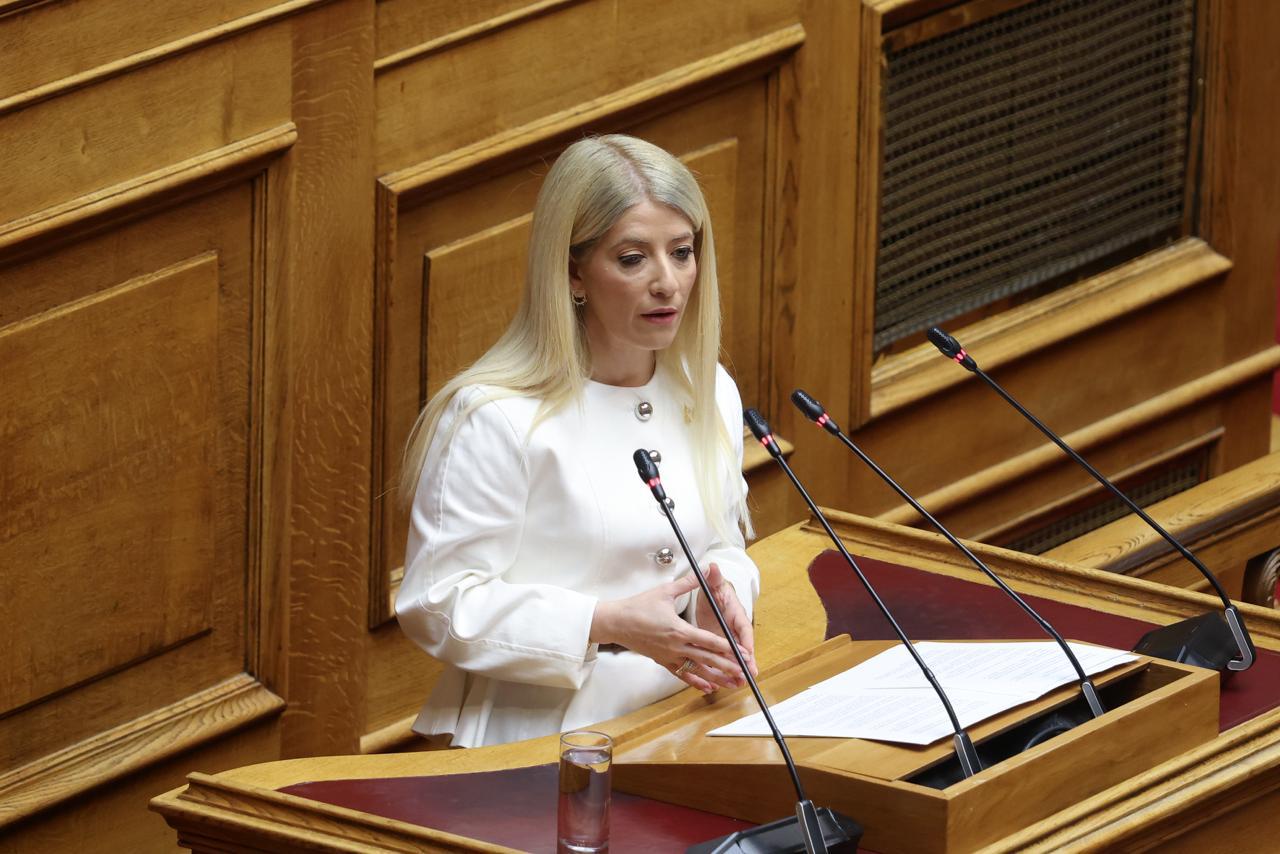
"Turkey's real interest does not lie in tension, occupation or the challenging of rights and sovereignty. It lies in a relationship of respect, international legality and peaceful coexistence with its neighbours," she said, adding that deterrence remains essential in the meantime.
She identified France, the United States, Israel, Egypt, India, Middle Eastern and Gulf states as critical partners, and called for trilateral and multilateral frameworks in the Eastern Mediterranean to acquire greater depth in defence, energy, civil protection and critical infrastructure security.
Greece's support and the Cyprus problem
Demetriou expressed deep gratitude for Greece's unwavering support following the recent threat faced by Cyprus, noting that the presence of Greek aircraft, vessels and naval force carried both operational and human significance.
"The Greeks of Cyprus need this sense of security, as a tangible reminder that Cyprus does not stand alone in the face of danger," she said.
She closed by reaffirming that Cyprus would never stop demanding the withdrawal of occupation forces, the termination of guarantees, the abolition of intervention rights and the restoration of the unity, sovereignty and freedom of the island, on the basis of United Nations resolutions and European Union values.