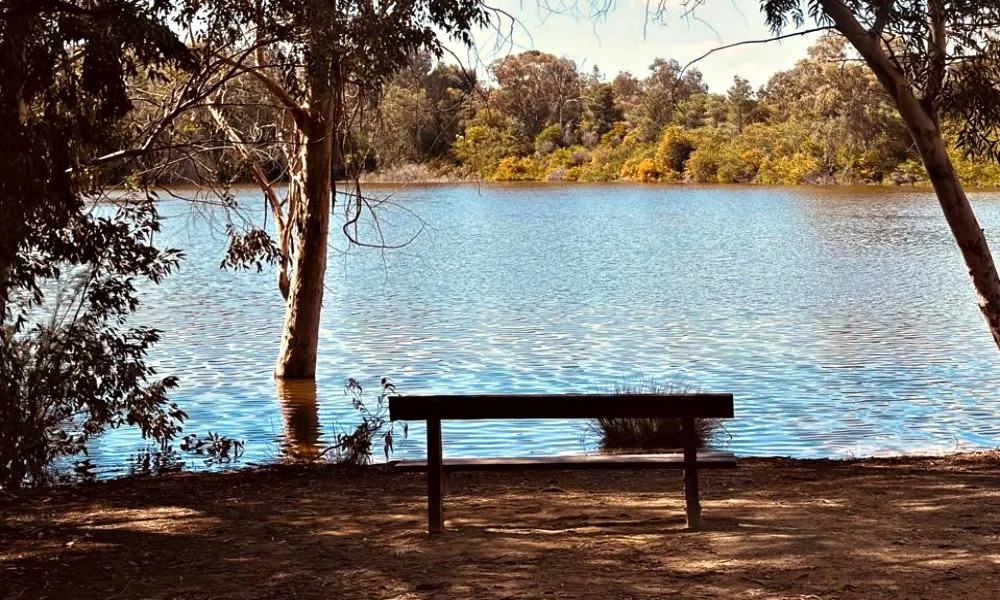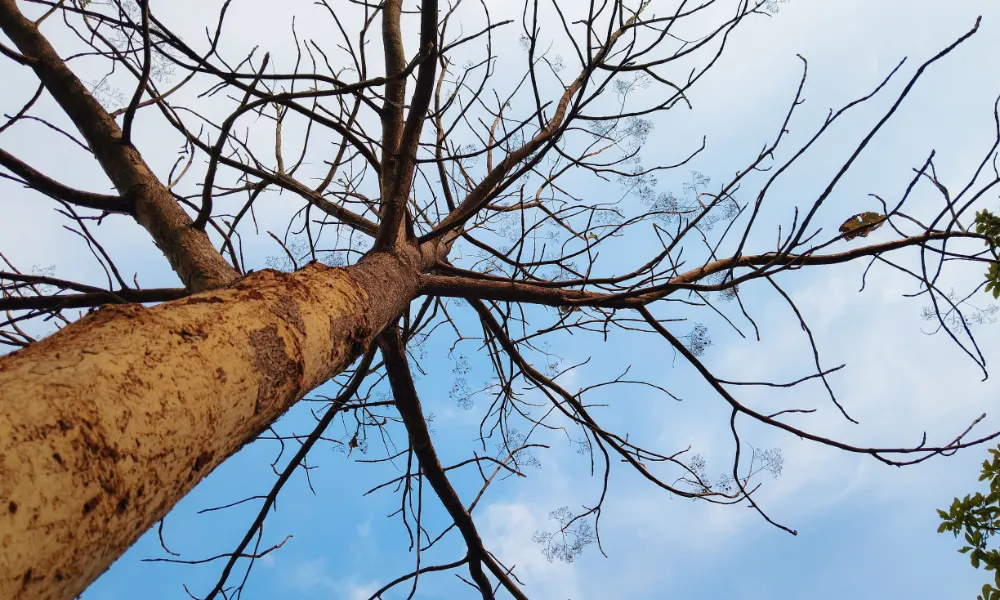

The phenomenon of tree die-off is not limited to the Athalassa National Forest Park, nor is it the result of inaction by the competent services, but is a Cyprus-wide phenomenon directly linked to the effects of climate change, the prolonged droughts of recent years and the increasingly intense conditions of drought and high temperatures, the Forestry Department states.
Prolonged stress has weakened forest vegetation
In an announcement prompted by recent reports and public references on social media regarding the die-off, the department explains that the prolonged stress has weakened the trees and forest vegetation more generally, making them vulnerable to secondary attacks from wood-boring insects and diseases.
It notes that certain species, such as the stone pine, which were correctly selected and planted on the basis of the climatic conditions prevailing at the time of their establishment, now respond with greater difficulty to the new conditions shaped by climate change, particularly in the dry and hot areas of Athalassa and the wider Nicosia region.
Integrated management programme
The Forestry Department notes that it is implementing an integrated management programme, which includes the removal of dead and dangerous trees, the placement of traps to monitor and address wood-boring insects, the control of the pine processionary moth, as well as the gradual replacement of the most vulnerable species with more resilient native species, such as the carob, terebinth, oak, mastic, cypress and other species better adapted to current and future climatic conditions.
Use of recycled water
At the same time, the use of recycled water is being promoted to support vegetation, and a relevant irrigation system has already begun operating in the National Forest Park of the Pedagogical Academy and in the Arona area, while during the summer months targeted irrigation with water tankers is carried out where required and as a priority in recent plantations.
The department's planning provides for the gradual extension of the use of recycled water to other parts of the Athalassa National Forest Park.
Athalassa a naturally dry area
It is recalled that Athalassa is by nature a dry and barren area, and that its current image as one of the most important green lungs of the capital is the result of the long-standing, systematic and scientifically documented effort of the Forestry Department.
The Forestry Department stresses that the effects of climate change create new challenges in the management of forest ecosystems, to which it responds with continuous monitoring, adaptation of forestry practices and targeted interventions that strengthen the resilience of forests for the coming decades.