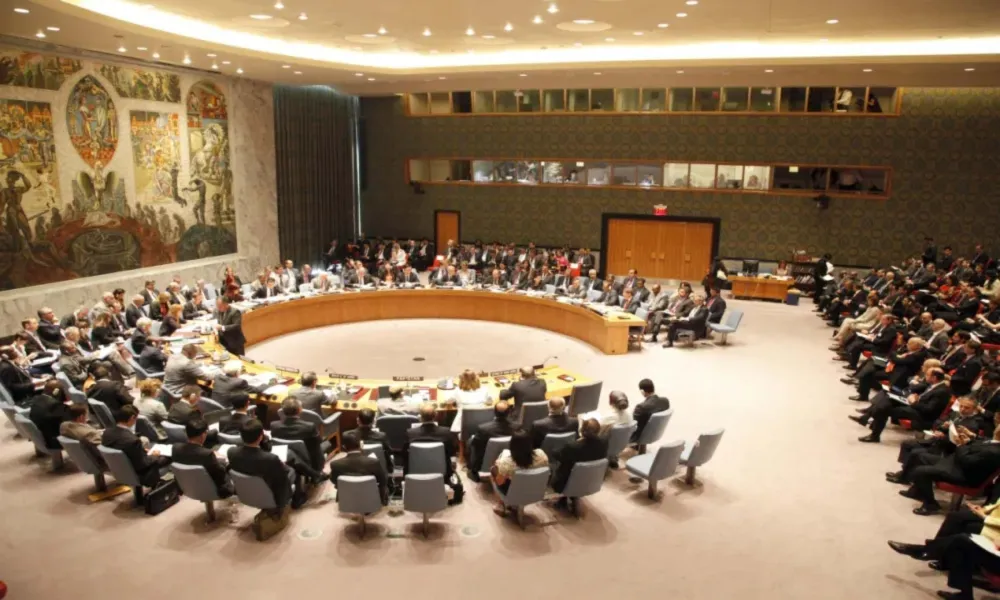

Cyprus has stressed the need for concrete action to support survivors of conflict-related sexual violence and to end impunity for such crimes, with the country's Permanent Representative to the United Nations, Ambassador Maria Michael, raising the issue during an open debate of the UN Security Council on the Women, Peace and Security agenda.
Addressing the council on Wednesday, Michael said that “during the Turkish invasion of 1974, hundreds of women and girls, as well as men and boys, suffered sexual violence at the hands of Turkish troops,” adding that “the pain of those survivors remains an open wound for Cypriot society.”
Michael congratulated the Democratic Republic of the Congo on assuming the presidency of the Security Council for the month and welcomed the holding of the debate.
She also welcomed the participation of Congolese Prime Minister Judith Suminwa Tuluka and thanked the UN Secretary-General's Special Representative on Sexual Violence in Conflict, Pramila Patten, for her briefing, reiterating Cyprus' “full support” for her mandate.
The ambassador said the latest report by the Secretary-General “once again reminds us of the alarming scale and brutality of conflict-related sexual violence.”
Referring to Cyprus' own experience, she said that, “as a victim of foreign military invasion and continued occupation by Turkey for more than five decades,” the country has first-hand knowledge of the devastating and long-lasting consequences of conflict-related sexual violence.
“During the Turkish invasion of 1974, hundreds of women and girls, as well as men and boys, suffered sexual violence at the hands of Turkish troops,” she said, adding that “the pain of those survivors remains an open wound for Cypriot society”.
According to Michael, that experience continues to reinforce Cyprus' “unwavering commitment” to recognition, justice, accountability and support for survivors everywhere.
She also referred to the European Parliament's adoption of a resolution condemning sexual violence committed by Turkish troops during the 1974 invasion and calling for accountability and support for survivors.
She described the resolution as “an important step in preserving historical memory and raising awareness at both the European and international levels.”
Michael said Cyprus “unequivocally condemns all forms of gender-based violence, both online and offline, including conflict-related sexual violence.”
“These crimes continue to be used as tactics of war, terror, torture and political repression,” she said, adding that they destroy lives and communities while undermining prospects for lasting peace.
She also recalled that “rape and other forms of sexual violence may constitute war crimes, crimes against humanity or acts of genocide under international law”, stressing that accountability is “not only a legal obligation, but also a prerequisite for prevention and sustainable peace”.
Michael highlighted three key priorities: placing survivors at the centre of all efforts, ending impunity and ensuring the full, equal, meaningful and safe participation of women.
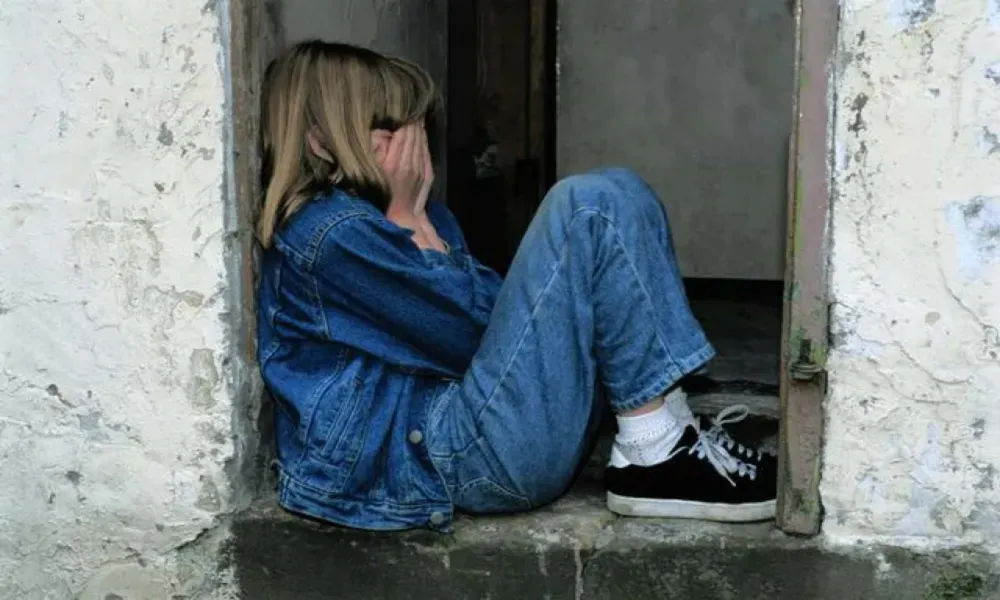
“Survivors must remain at the centre of all our efforts,” she said, noting that women, girls, men and boys experience such crimes differently and require specialised support that is gender- and age-sensitive, disability-inclusive and trauma-informed.
She added that survivors must have “safe and timely access to justice, legal assistance, healthcare, psychosocial services and effective reparations, without stigma or fear of reprisals”.
On accountability, Michael called on all states “to strengthen national capacities to investigate and prosecute conflict-related sexual violence”, while ensuring victim-centred justice processes.
She further argued that existing UN Security Council sanctions regimes should be fully utilised to strengthen accountability, deter future violations and send a clear message that perpetrators will be held responsible for their crimes.
The ambassador also underlined the “essential role” of women protection advisers and local women-led organisations in prevention, early warning and survivor support. Their work, she said, must receive adequate funding and protection, particularly during transitions or withdrawals of UN peacekeeping operations.
Turning to the Women, Peace and Security agenda, Michael said that “sustainable peace cannot be achieved without the full, equal, meaningful and safe participation of women”.
“The Women, Peace and Security agenda remains our strongest framework for advancing women's leadership in conflict prevention, peacebuilding and recovery,” she said.
Michael noted that Cyprus remains “firmly committed” to advancing the agenda at both national and international level.
Earlier this year, she said, Cyprus adopted its Second National Action Plan on Women, Peace and Security, reaffirming its commitment to implementing UN Security Council Resolution 1325 and subsequent resolutions.
The new action plan, she added, strengthens measures relating to participation, protection, prevention, relief and recovery, while placing greater emphasis on integrating a gender perspective into national security and foreign policy.
Beyond national efforts, Michael said Cyprus continues to support women and girls affected by conflict through “targeted humanitarian assistance and development cooperation through Cyprus Aid”, contributing to humanitarian relief and promoting gender-sensitive approaches that address the specific needs of women and girls in crisis situations.
She concluded by stressing that “fulfilling the promise of international law requires more than declarations.”
“It requires concrete action to protect survivors, hold perpetrators accountable, address the root causes of sexual violence and ensure that these crimes are never accepted as an inevitable consequence of conflict,” she said.
“Cyprus stands ready to continue working with the international community to strengthen the global response to conflict-related sexual violence and to fully implement the Women, Peace and Security agenda.”
Source: CNA