
Several powerful explosions were heard overnight in Bahrain, according to an AFP journalist on the ground, shortly after authorities activated air raid sirens.
The blasts came moments after Iran's Islamic Revolutionary Guard Corps (IRGC) warned that it would retaliate for US strikes against the Islamic Republic.
Meanwhile, Kuwait's armed forces announced in the early hours of Thursday that they were repelling “hostile missile and drone attacks”, shortly after the IRGC vowed to respond to a second consecutive night of US bombardments.
In a statement posted on X, Kuwait's military said that if explosions were heard, they would be the result of air defence systems intercepting hostile attacks. The statement did not explicitly identify the source of the attacks.
تتصدى حالياً الدفاعات الجوية الكويتية لهجمات صاروخية وطائرات مسيرة معادية.
— KUWAIT ARMY - الجيش الكويتي (@KuwaitArmyGHQ) July 9, 2026
تنوه رئاسة الأركان العامة للجيش أن أصوات الانفجارات إن سمعت فهي نتيجة اعتراض منظومات الدفاع الجوي للهجمات المعادية.
يرجى من الجميع التقيد بتعليمات الأمن والسلامة الصادرة عن الجهات المختصة.… pic.twitter.com/jqR7huoRTO
The IRGC later claimed responsibility, announcing that it had struck US military bases in Kuwait and Bahrain in retaliation for American strikes on Iran.
According to a statement carried by Iranian state broadcaster IRIB, the Revolutionary Guards launched drone and missile attacks against the Arifjan and Ali Al Salem bases in Kuwait, as well as the Juffair and Shaikh Isa bases in Bahrain.
The IRGC also warned that retaliatory operations could be expanded to other countries in the Middle East if the United States carries out further attacks.
US launches new strikes on Iran
Powerful explosions were also reported at several locations along Iran's southern Gulf coast after the United States announced a fresh round of military strikes against the Islamic Republic, marking a second consecutive night of attacks.
Iranian state media reported fighter aircraft flying over Kish Island and multiple explosions in the port cities of Bandar Abbas, Konarak and Chabahar. Electricity outages were also reported in some areas.
The US military's Central Command (CENTCOM) said American forces struck approximately 90 targets across Iran, including air defence systems, coastal surveillance facilities, missile depots and drone storage sites.
In a statement released on X, CENTCOM said the operation was intended to further reduce Iran's ability to threaten commercial shipping and civilian maritime traffic in the Strait of Hormuz.
— U.S. Central Command (@CENTCOM) July 9, 2026
Trump warns of harsher response
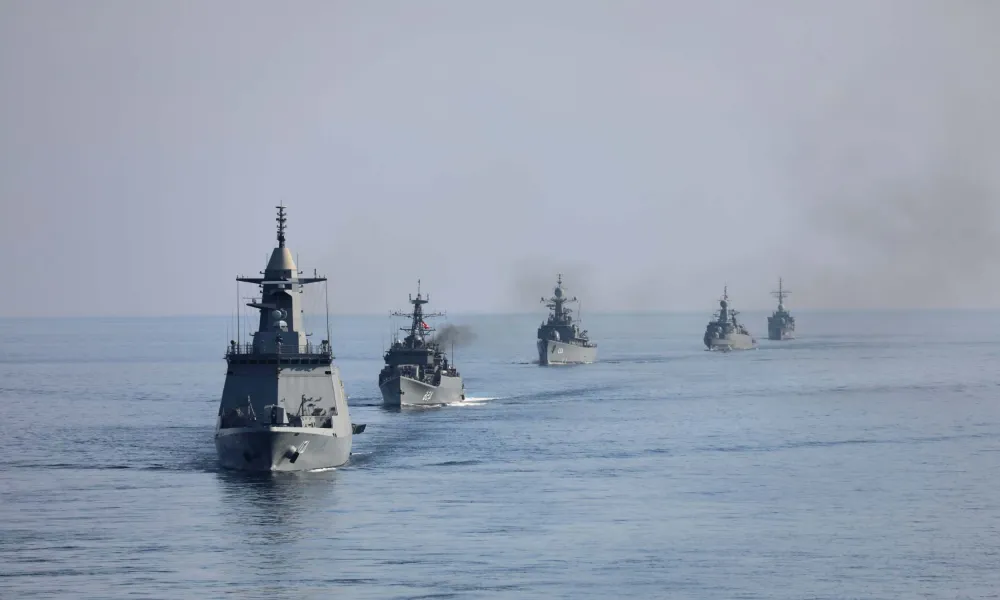
US President Donald Trump warned overnight that Iran would face “much worse” consequences if further attacks are launched against commercial vessels in the Strait of Hormuz.
“This is in retribution for yesterday’s bombing of ships by Iran. If it happens again, it will get much worse!” Trump wrote on Truth Social, alongside an image showing flames and smoke rising from a facility in Chabahar.
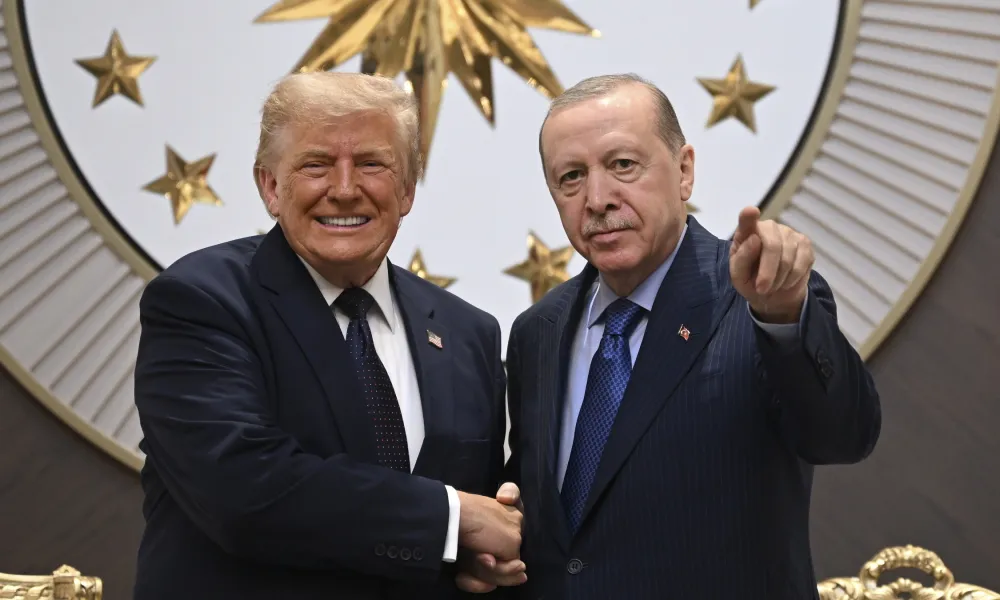
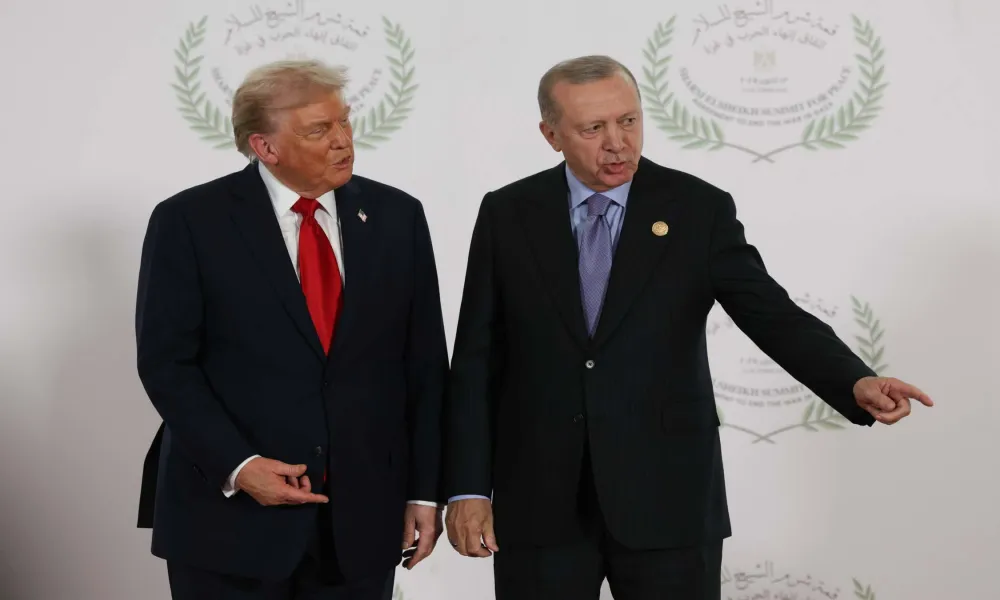
Later, speaking to reporters aboard Air Force One after departing Ankara following the NATO summit, Trump escalated his warning.
“We'll hit them very hard. Every time they hit us, we'll hit back 20 times harder,” he said.
Trump suggested that Iran's latest actions were likely retaliation for previous US strikes.
“They did a small thing today, but it was probably retaliation,” he said.
Earlier on Wednesday, the US president appeared to send mixed signals, declaring that the ceasefire between the two sides had effectively “ended” after renewed exchanges of fire.
At the same time, however, he insisted that the new hostilities would end “very quickly” and left the door open for continued negotiations with Tehran.