
A few years ago, the debate about security in Europe revolved around whether NATO would remain united in the face of Russia. Today, the question is who is really shaping the alliance's agenda.
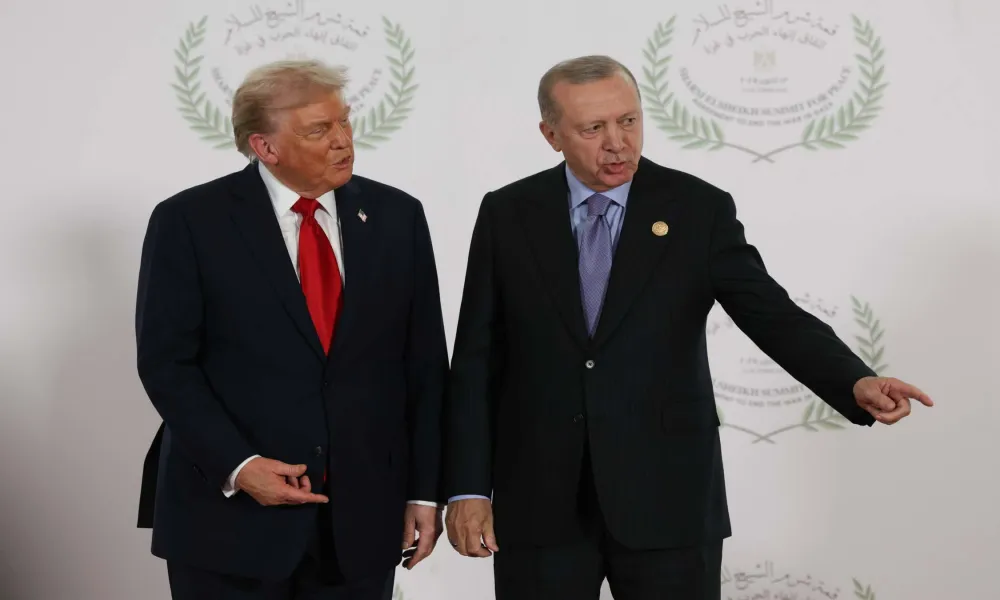
The explosive presence of the US president at the NATO summit in Ankara – with his public attacks on European allies, references to Greenland and his warm personal rapport with Recep Tayyip Erdoğan – should not distract us from the bigger picture.
Turkey is seeking to reposition itself as an indispensable geopolitical actor, from Ukraine to the Middle East. Trump's willingness to consider lifting restrictions related to the F-35 programme is only one element of that broader reality.
In Cyprus, however, public discussion remains trapped in a familiar pattern of defining ourselves through others. Every development is assessed exclusively through the lens of what Turkey gains or loses: whether Ankara acquires new weapons systems, strengthens its standing in Washington or whether Erdoğan secures another personal victory.
That way of thinking is outdated.
The real question is how a united European Cyprus fits into today's complex international security architecture. Geography is now an advantage rather than a disadvantage. Turkey, as noted, presents itself as an indispensable geopolitical player. Yet it cannot fully play that role while the Cyprus problem remains unresolved.
This column has repeatedly argued that Cyprus' membership of the European Union remains the strongest asset available to the Greek Cypriot side in its effort to achieve reunification on terms that can secure lasting peace and create opportunities for prosperity for all communities on the island.
The Greek Cypriot political leadership must recognise that the current international environment, however unpredictable it may appear, offers a unique opportunity to present a solution to the Cyprus problem as a key component of the stability that the West is so desperately seeking.
Within today's complex security framework, a united European Cyprus would be an exceptionally useful asset for the broader Euro-Atlantic security architecture. Europe increasingly appears to understand the benefits that could flow from a settlement.
Whether the current momentum ultimately leads to a solution remains to be seen.
If all parties involved are able to see the bigger picture – and especially if Turkey does so – the obvious choice is to resolve the Cyprus problem rather than preserve the status quo.