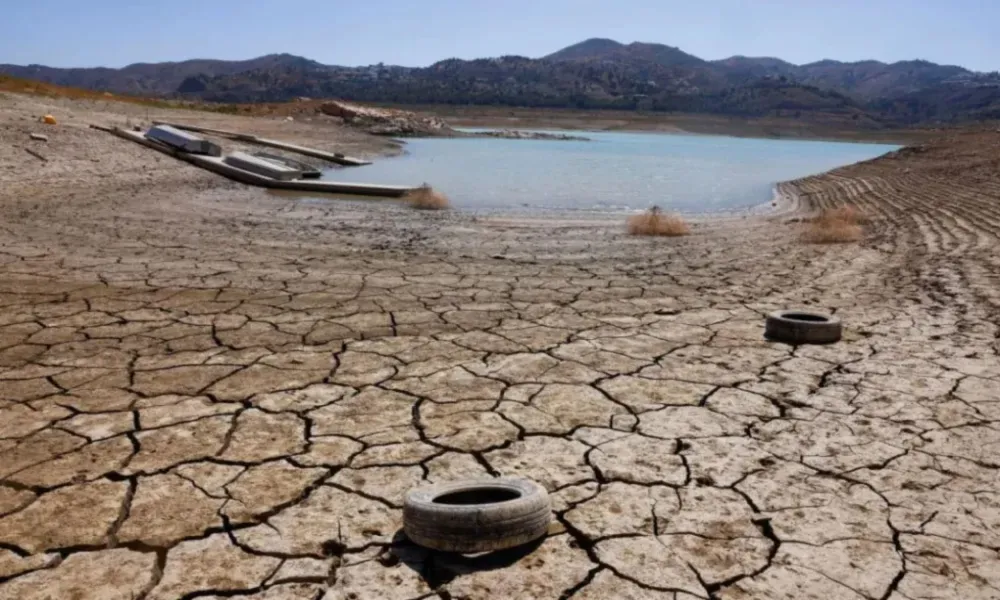

The drought affecting Europe is already impacting agriculture, inland waterway transport and energy generation, while its effects on economic growth could prove more significant than those of other natural hazards, according to a new analysis by Morningstar DBRS.
In its latest assessment of the economic impact of extreme weather during the summer of 2026, the ratings agency said successive heatwaves and below-average rainfall have led to widespread drought conditions across large parts of Europe.
Morningstar DBRS noted that droughts are becoming more frequent and severe globally, with research showing that their economic impact is increasing over time.
In Europe, severe drought conditions are affecting the agricultural sector, inland navigation routes, industry and electricity generation, with the potential to disrupt wider economic activity.
The report said the consequences extend beyond immediate losses, as reduced water availability can affect supply chains, transport networks and industrial operations.
Credit impact remains limited for now
Despite the worsening outlook, Morningstar DBRS said the effects of climate-related risks on the creditworthiness of most sovereign states it rates remain limited at present.
The agency noted that, for now, the costs associated with drought and other climate-related events remain manageable at the national level.
Long-term risks depend on adaptation
However, Morningstar DBRS warned that the long-term economic impact of physical climate risks will depend heavily on adaptation measures and on the future course of climate change itself.
"As climate risks accumulate and droughts become more frequent and more costly, it is critical to assess the various economic impacts," said Adriana Alvarado, Senior Vice President in Morningstar DBRS's Sovereign Ratings Group.
"Climate adaptation and preparedness should keep pace with the intensity and frequency of climate risks," she added.
Alvarado said the agency evaluates whether climate change and severe weather events could damage significant portions of national wealth, weaken financial systems or disrupt economies.
Growing economic concern
The report highlights increasing concern among analysts and policymakers that recurring droughts could place sustained pressure on economic growth, particularly in sectors heavily dependent on water resources.
Morningstar DBRS concluded that governments' ability to adapt to changing climate conditions will play a key role in limiting future economic losses.
Source: CNA