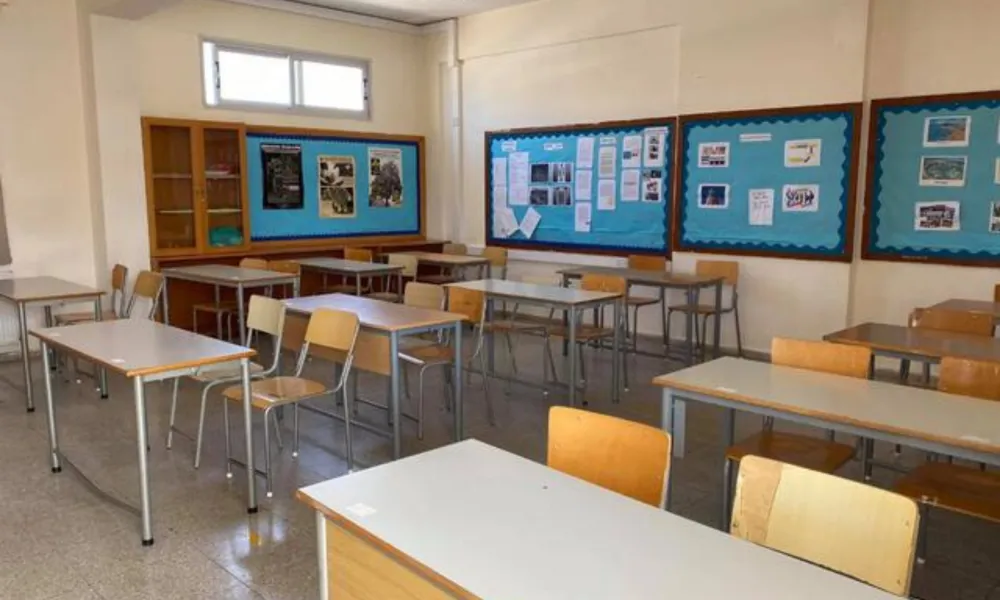

School boards are being asked to maintain dozens of buildings, deal with longstanding problems and meet growing requirements for safety, certification and upgrades, despite budgets that fall far short of schools’ actual needs and insufficient staffing levels.
The picture presented to the House Education Committee was one of a constant struggle to address needs worth millions of euros with allocations that, in many cases, amount to only tens of thousands.
A striking example is Aglantzia, where around €30,000 was allocated for 17 schools, while the needs of the 6th Primary School alone are estimated at around €60,000.
In other words, the amount available for 17 schools is not sufficient to cover the needs of even one.
A similar picture was presented for Latsia and Geri, where the school board is expected to cover preventive maintenance for 16 schools with approximately €430,000.
One example raised was a large secondary school with around 650 pupils and another 200 teachers, but no technician dedicated exclusively to the school’s needs.
The school board’s limited technical staff must cover all schools across the area, with the board stressing that preventive maintenance is precisely what can stop much more serious problems from developing.
Safety concerns and projects delayed for years
In Larnaca, concerns were raised over health and safety, as well as the need to turn to external consultants in some cases in order to fulfil required obligations.
Reference was also made to a project that has been pending for years and is estimated to cost around €4.5 million to €5 million.
Representatives of school boards in Limassol and Famagusta similarly raised concerns about understaffing, limited funding, increasing maintenance obligations and difficulties meeting the needs of schools.
The school boards themselves said the problem is being compounded by new and expanding responsibilities related to fitness certificates, electrical inspections, safety requirements and interventions following the installation of air-conditioning units.
The demands are increasing, they said, but the available resources and staffing levels are not rising at the same pace.
Funding remains around 2011 levels
The scale of the problem was also reflected in figures presented to the committee concerning the budget of the Education Ministry’s Technical Services.
In 2011, the budget stood at approximately €55 million.
Today, it stands at €53.6 million, despite the significant rise in construction costs since then.
For several years, the budget had fallen to between €22 million and €28 million, which, according to the information presented, effectively allowed only the most essential interventions to be carried out.
The Education Ministry said upgrades are being implemented within available fiscal limits, with safety issues receiving priority.
At the same time, the ministry’s Technical Services are themselves seriously understaffed.
According to figures presented to the committee, the department requires at least around 60 employees, but currently has only about 30.
‘Playing fields that look like fields’
MPs also described conditions they had observed at schools where maintenance problems have become clearly visible in everyday life.
These included sports grounds resembling fields, schools without accessibility ramps and lifts that are out of service.
In some cases, classes have had to be moved to the ground floor to allow pupils with disabilities to attend lessons.
The message to the government was that the discussion should not once again end with officials merely acknowledging the problems.
MPs called for greater funding, increased staffing and clear timetables for projects that have remained pending for years.