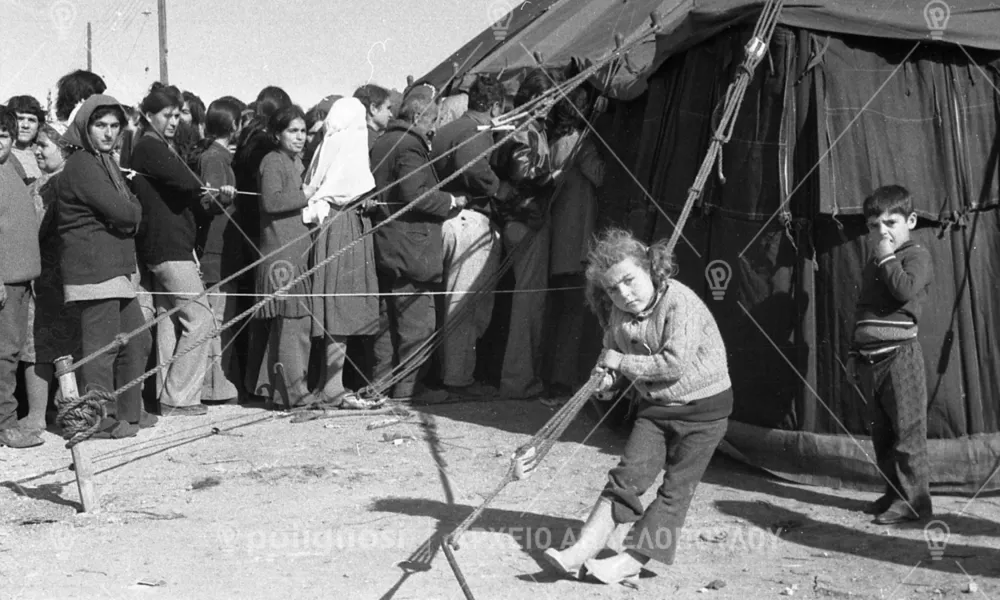

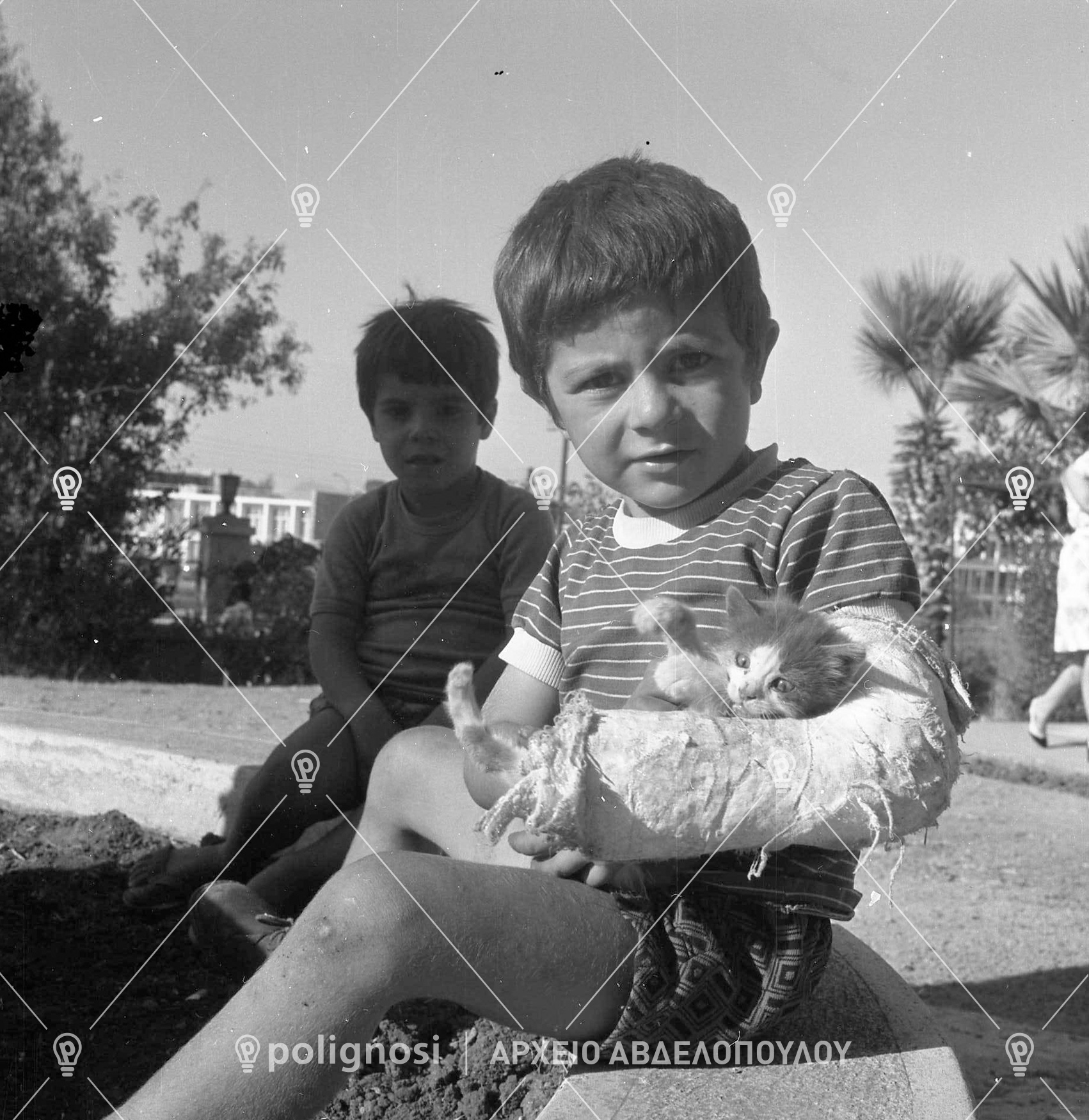
More than 5,000 unaccompanied Cypriot children may have been transferred to and hosted in Greece between 1974 and 1979, far exceeding the approximately 2,000 officially recorded cases, the head of an association representing the children told a parliamentary committee on Tuesday.
Andreas Theodosiou, president of the Association of Unaccompanied Hosted Children in Greece 1974-1979, presented the findings to the House Committee on Refugees, Enclaved Persons, Missing Persons and Victims.
Speaking after the session, Theodosiou said official figures from the Ministry of Education place the number of children at around 2,000. However, he said other ministry data suggest the total may have exceeded 5,000.
Discrepancy in official figure
He attributed the discrepancy to the fact that many children travelled to Greece without being officially registered, as parents, relatives or other individuals arranged for them to leave Cyprus in the aftermath of the Turkish invasion.
According to Theodosiou, the association continues to identify people who were sent to Greece as children during that period but do not appear in official records.
He said the first group of children departed for Greece on 21 September 1974 and, according to official Ministry of Education records, consisted of 192 children.
Theodosiou added, however, that based on the association's research, he believes the number of children in that first group may have exceeded 600.
Children were sent to locations including Ilia, Kareas, Volos and Thessaloniki, he said, adding that testimonies continue to emerge from people who report having been transferred to Greece without being officially declared.
The association also briefed the committee on additional findings emerging from its research, Theodosiou said, although he noted that the information could not yet be made public as it was still being documented.
Committee chairman and AKEL MP Nikos Kettiros said the association had developed significant activity in both Cyprus and Greece through events and school visits aimed at highlighting this aspect of the Cyprus tragedy.
Plans for museum
Kettiros also said the association was planning to establish a museum dedicated to the children of 1974, covering all aspects of the experiences of children affected by the war and its consequences.
The proposed museum would include the stories of children of missing persons, children who suffered abuse, those who died, and the children of victims and people left disabled by the conflict, he added.
ALMA MP Litsa Drousiotou said the committee had been informed that no complete official record or precisely documented figure exists for the number of unaccompanied children hosted in Greece between 1974 and 1979.
Drousiotou said the children's experience had two dimensions. On the one hand, they received protection and hospitality in Greece and developed strong bonds with the families who hosted them. On the other, they had already lived through the invasion and then found themselves separated from their homes and families.
She added that this chapter of Cyprus' history remains relatively unknown to the wider public and argued that the state, through the Ministry of Education and other bodies, has an obligation to ensure that it becomes known to younger generations.
Source: CNA