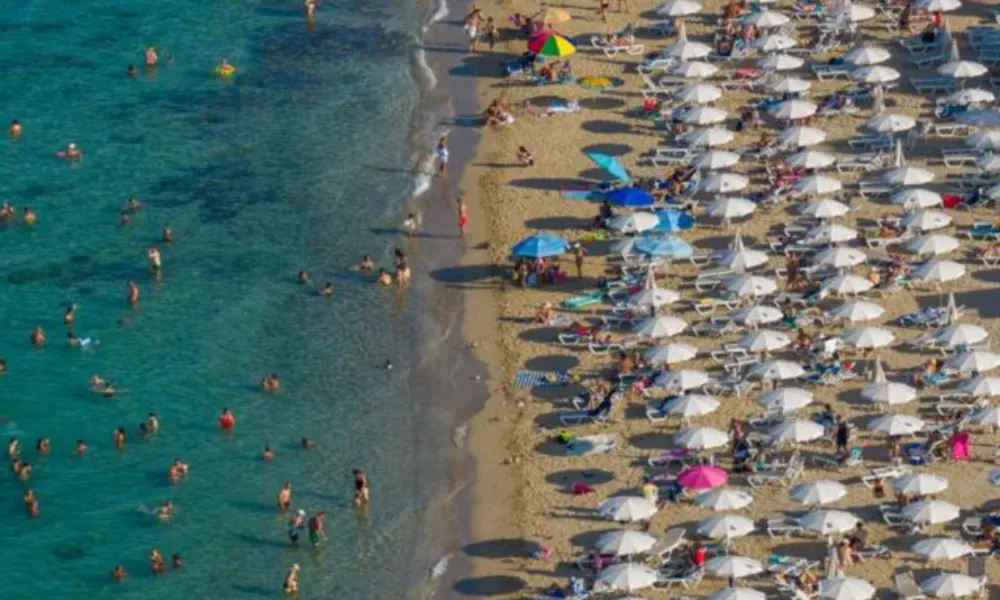

Turkey's declaration of two new "national marine parks" in the north-eastern Aegean and the eastern Mediterranean has opened a new front in Greek-Turkish tensions, after the designated areas were extended beyond Turkish territorial waters.
One park covers an area between Fethiye, in Muğla Province, and Kaş in Antalya Province, while the second is located in the northern Aegean near Tekirdağ and the Dardanelles Strait.
The move adds another element to Ankara's claims in the Aegean and eastern Mediterranean, with the Greek government immediately challenging the legal basis of Turkey's actions and rejecting any attempt to create facts on the ground.
Turkey's Daily Sabah linked the initiative directly to ongoing Greek-Turkish disputes over maritime jurisdictions, referring to Greece's own marine park initiatives in the Ionian Sea and the southern Cyclades, which have previously drawn objections from Ankara.
The Turkish side argues that environmental initiatives in the Aegean should not be used to alter maritime jurisdiction arrangements, while the report also places the decision within the framework of Turkey's "Blue Homeland" (Mavi Vatan) strategy.
Greek reaction
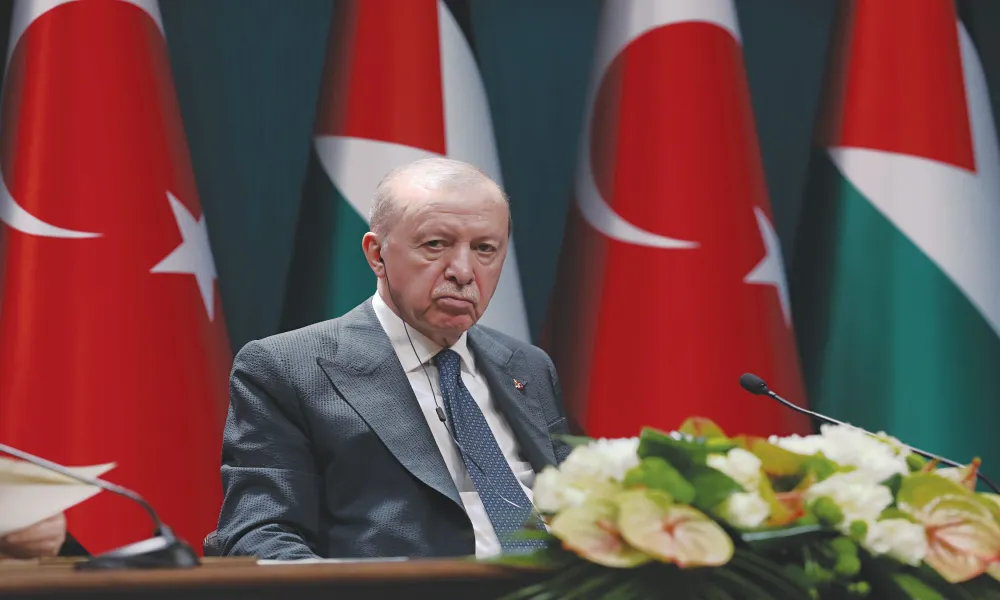
The presidential decrees, signed by President Recep Tayyip Erdoğan on 15 August and published in Turkey's Official Gazette, prompted an immediate response from Athens.
In a statement, the Greek Ministry of Foreign Affairs said the initiative cannot produce legal effects or create new realities regarding maritime zones.
The ministry described the establishment of the parks as unlawful insofar as they extend into international waters.
According to Athens, under the Law of the Sea, no state can unilaterally establish marine protected areas outside its national jurisdiction.
Greece also raised a second legal objection.
It argues that the Turkish marine parks are unlawful to the extent that they extend into areas of the Greek continental shelf.
As a result, Athens stressed that the Turkish action "produces absolutely no legal effect", both in relation to international waters and with regard to Greece's sovereign rights over its continental shelf.
The ministry added that the unilateral creation of "national marine parks" cannot alter the existing legal framework or affect rights derived from international law.
Competing approaches
Athens contrasted Turkey's initiative with Greece's own policy on marine protected areas in the Ionian and Aegean seas.
According to the Greek Foreign Ministry, Greece established its marine parks in full compliance with the Law of the Sea and exclusively within Greek territorial waters.
The Greek government further warned that actions seeking to create faits accomplis or unilaterally influence the status of maritime zones in the Aegean and eastern Mediterranean violate international law and place additional strain on Greek-Turkish relations.
The ministry said such moves:
"Do not contribute to fostering a climate of good neighbourly relations"
and
"Seriously undermine" efforts to maintain relations based on mutual understanding between the two countries.
In conclusion, Athens said it would continue to act "consistently and decisively" to protect its sovereign rights, safeguard freedoms of the high seas as provided for under the Law of the Sea, and protect the marine environment in accordance with international law.