
The process of selecting the next Secretary-General of the United Nations is entering a critical phase, with candidates' geographic origins, the interests of major powers and the organisation's financial troubles shaping an increasingly complex diplomatic landscape.
Latin America is arguing that it is now its turn to hold the UN's top post. Lana Nusseibeh of the United Arab Emirates is seeking to alter the balance in the race, while other potential candidacies are being discussed behind the scenes. Particular interest surrounds Cyprus' decision to publicly support Nusseibeh before the positions of the five permanent members of the Security Council have become clear.
António Guterres' term ends on 31 December 2026 and his successor will inherit far more than a demanding international agenda. The next secretary-general will take charge of an organisation facing restricted financial resources, reduced operational capabilities and significant challenges to its political relevance.
The key question is not only who can secure the required nine Security Council votes without triggering a veto from one of the five permanent members. It is also who can restore the credibility of an organisation that is increasingly bypassed by the very powers responsible for maintaining international peace and security.
Latin America says its turn has come
On 13 October, the Community of Latin American and Caribbean States (CELAC) argued that the time had come for a secretary-general from its region.
The argument has historical foundations. The last UN secretary-general from Latin America was Peru's Javier Pérez de Cuéllar, who served from 1982 to 1991.
He was followed by Boutros Boutros-Ghali of Egypt, Kofi Annan of Ghana, Ban Ki-moon of South Korea and the current secretary-general, António Guterres of Portugal.
For Latin America, therefore, the claim relates both to geographical balance and the region's place in the international political architecture.
There is, however, a significant complication. Geographic rotation is not a binding rule under the UN Charter. Article 97 provides that the secretary-general is appointed by the General Assembly upon the recommendation of the Security Council, without prescribing a rotation among regional groups.
History also shows that regional rotation has not been applied strictly. The first two secretaries-general, Trygve Lie of Norway and Dag Hammarskjöld of Sweden, both came from Europe. Likewise, Pérez de Cuéllar was followed by two African secretaries-general.
CELAC's argument therefore carries political weight but cannot institutionally prevent the selection of a candidate from another region. Its real strength will depend on Latin America's unity and its ability to secure broader international support.
Nusseibeh and the voting deadlock
Lana Nusseibeh's entry into the race on 21 October injected new momentum into the process.
The former UAE permanent representative to the United Nations presented her priorities before the General Assembly on 27 October, emphasising conflict prevention, rebuilding trust and institutional reform.
She proposed the creation of a mediation council and argued that the United Nations should act before political disagreements escalate into wars.
Her candidacy has the backing of the Gulf Cooperation Council, but it has also faced scrutiny linked to the war in Sudan and allegations that the United Arab Emirates supported the Rapid Support Forces.
Abu Dhabi rejects the allegations, while Nusseibeh has pledged that, if elected, she would act with complete independence.
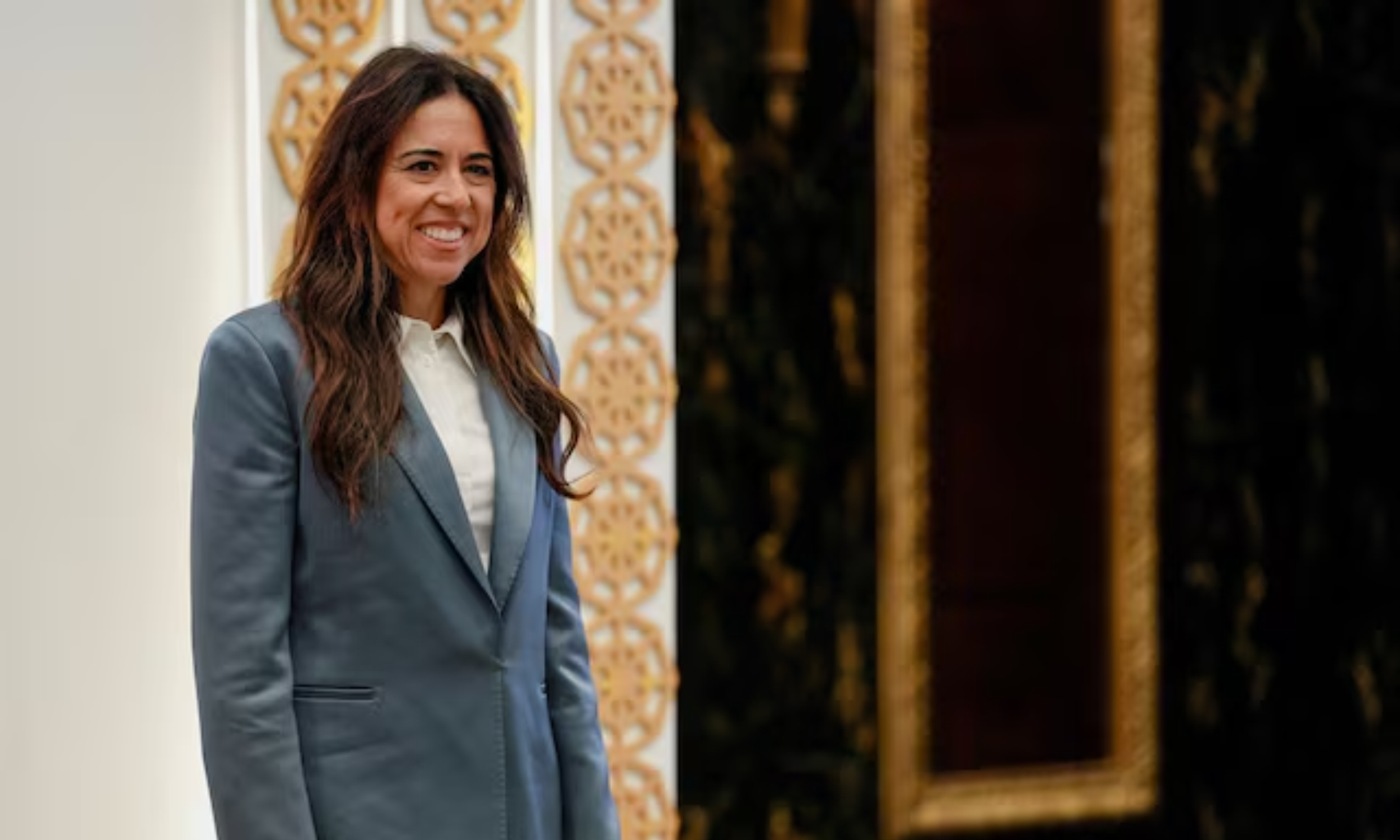
In her first appearance in the informal straw poll process, Nusseibeh received seven encouragement votes, six discouragement votes and two "no opinion" votes from members of the UN Security Council.
Previous rounds of informal voting have failed to produce a consensus candidate.
Rebecca Grynspan of Costa Rica received nine encouragement votes in the sixth round but also faced two negative votes from permanent members. In the seventh informal Security Council poll, she strengthened her lead, receiving eleven encouragement votes and four discouragement votes, with no "no opinion" votes.
Rafael Grossi of Argentina and Carolyn Rodrigues-Birkett of Guyana continue to face obstacles.
Compared with the sixth informal ballot, Grynspan increased her support from nine to eleven encouragement votes while reducing negative votes from five to four. Grossi also improved his standing, increasing his encouragement votes from eight to nine while reducing discouragement votes from six to four. Rodrigues-Birkett's vote distribution remained unchanged.
The next ballot is expected to provide an important test for Nusseibeh and show whether diplomatic support can translate into meaningful backing within the Security Council.
Sinirlioglu officially enters the race
The absence of agreement has kept the door open to additional candidates.
Among the names discussed is Feridun Sinirlioglu, Turkey's former foreign minister and current secretary-general of the Organisation for Security and Co-operation in Europe. His name has been linked to exploratory contacts between Ankara and permanent members of the Security Council.
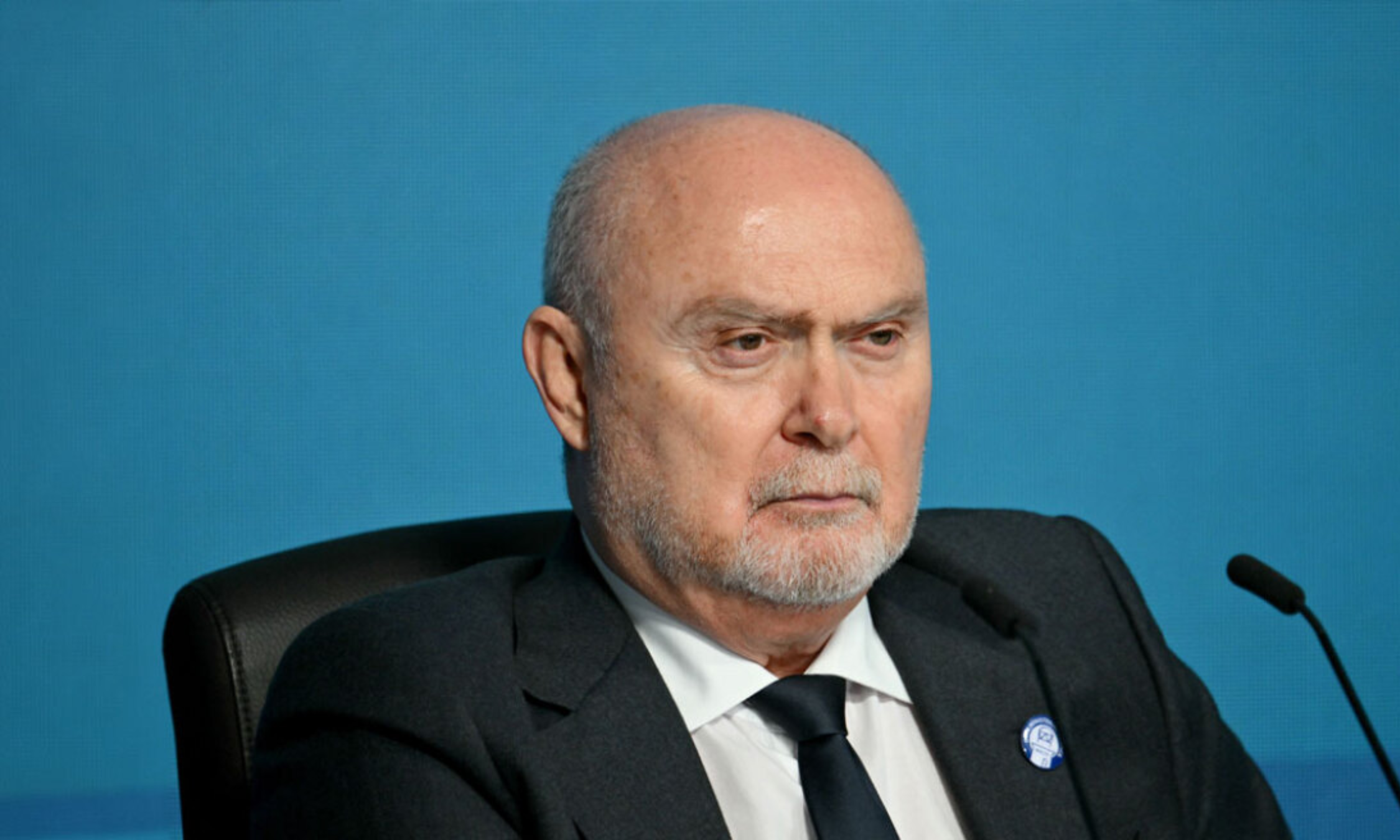
Turkey's permanent representative to the United Nations, Ahmet Yildiz, has now formally announced his candidacy.
Tokayev and Holguin in the background
Another figure being discussed behind the scenes is Kazakhstan President Kassym-Jomart Tokayev, who previously served as director-general of the United Nations Office in Geneva and as an under-secretary-general.
There are reports that neither Tokayev nor other potential candidates under discussion have encountered preliminary objections from the five permanent Security Council members. However, these reports have not been officially confirmed and none of these possible candidacies has yet been tested in an informal ballot.
Even if no objections exist, that would not automatically secure the required majority of nine votes.
Of particular interest to Cyprus is Maria Angela Holguin, Colombia's former foreign minister and António Guterres' personal envoy on Cyprus.
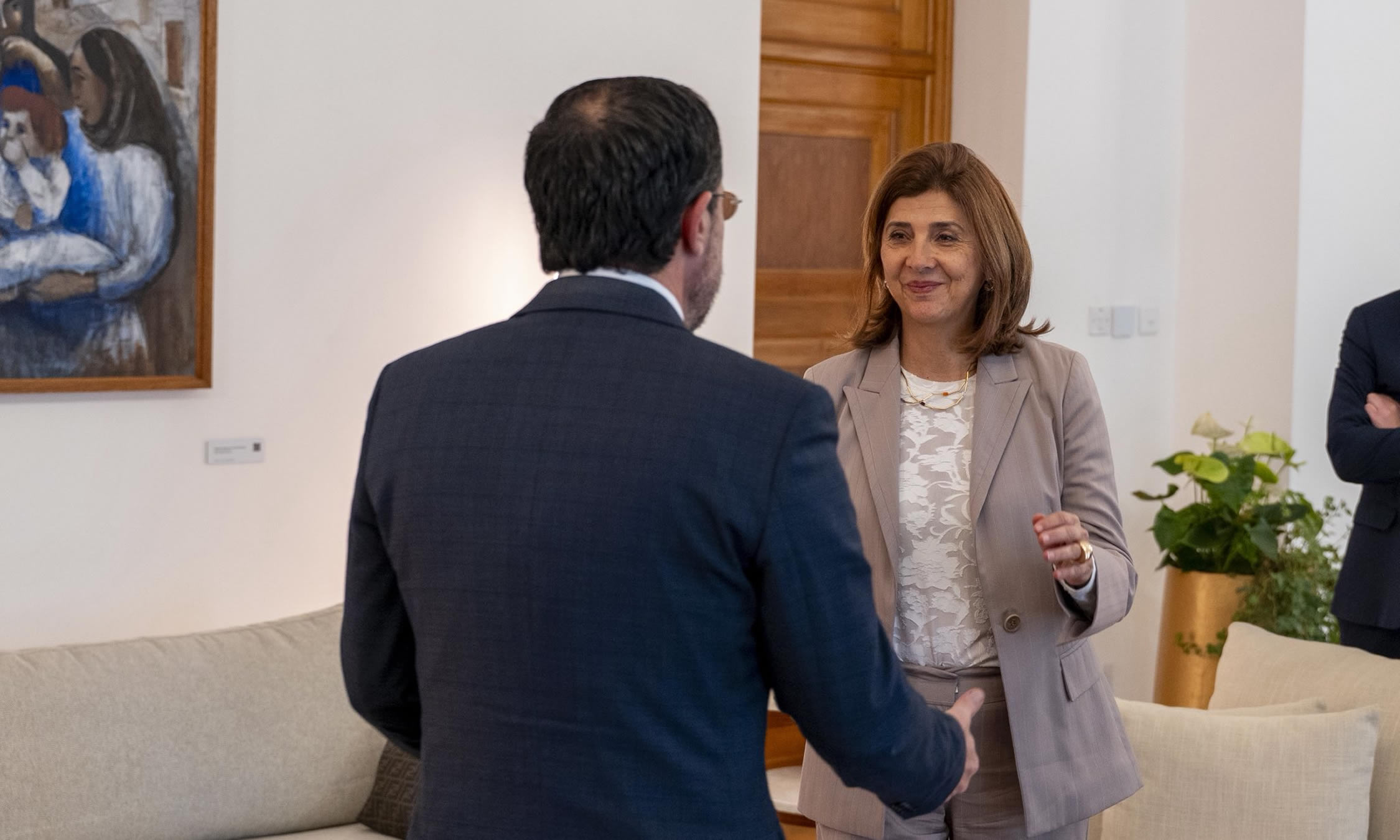
Holguin combines Latin American origins with extensive diplomatic experience and involvement in mediation efforts.
Her name has surfaced in media reports as a possible entrant to the race, although no official candidacy or confirmed intention has emerged.
Nicosia's choice and diplomatic questions
Against this fluid backdrop, Cyprus' decision to publicly support Lana Nusseibeh has drawn attention.
On 23 October, Foreign Minister Constantinos Kombos described the UAE candidate as an experienced, effective and distinguished diplomat, citing their personal cooperation and her commitment to dialogue and compromise.
He also argued that the time had come for a woman to lead major multilateral organisations.
Nusseibeh publicly thanked Cyprus for its support.
The move can be interpreted as an effort to strengthen relations with Abu Dhabi, with which Cyprus has developed cooperation across several sectors. It also reflects a preference for a candidate with whom Cypriot diplomacy already has experience working.
At the same time, questions have been raised about the timing of the endorsement.
Cyprus is not currently a member of the Security Council and therefore has no vote in the decisive consultations. Its support is primarily political and diplomatic in nature and was almost certainly coordinated with Greece, which currently sits on the Council.
The question is whether Cyprus stands to gain diplomatic benefits from such early backing or whether it has reduced its flexibility without securing a meaningful return in a process that remains open.
One interpretation is that Cyprus believes Nusseibeh is likely to emerge victorious and has decided to move early despite the risks.
A second interpretation is that the move signals the Cypriot Foreign Ministry's reservations about any potential candidature from Maria Angela Holguin.
A third, and perhaps more likely, explanation is that the decision is primarily linked to Cyprus' growing relationship with Abu Dhabi.
The UAE has backed Cyprus' positions within the Arab League, recently provided Cyprus with a search-and-rescue vessel free of charge, and, most importantly, joined Egypt, Cyprus and Greece in opposing the Turkey-Libya maritime memorandum.
Guterres' successor and the Cyprus Issue
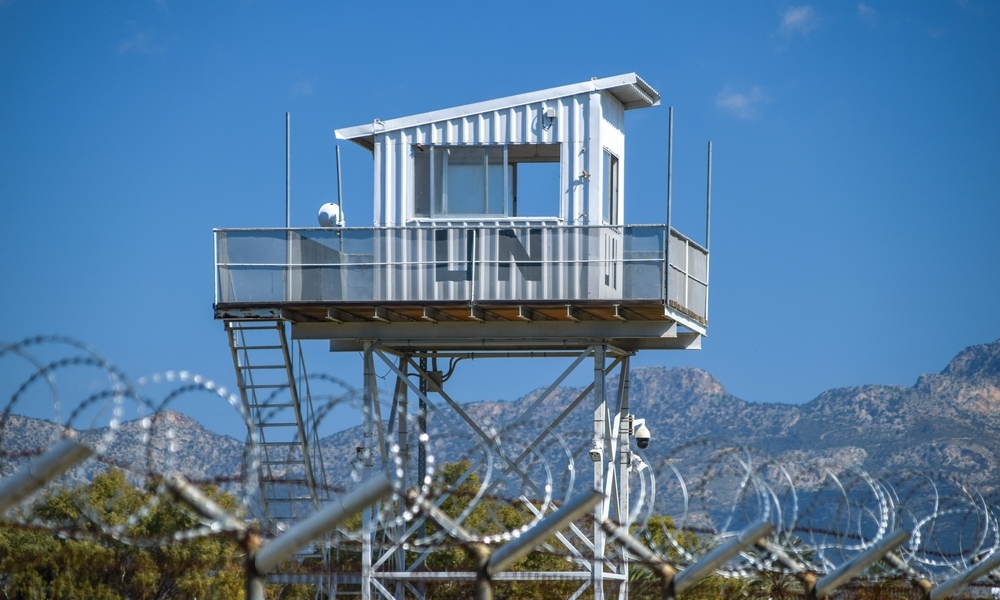
For Cyprus, the change in leadership at the United Nations carries particular significance because the next secretary-general will assume responsibility for continuing the good offices mission and broader efforts to resolve the Cyprus issue.
Guterres' personal involvement in the problem, together with Holguin's mission, has created a framework for engagement whose future will also depend on the priorities of the incoming leadership.
Regardless of who is selected, Cyprus will be only one of many international issues facing a United Nations operating with fewer resources and reduced capacity to enforce its decisions.
The greatest challenge for whoever takes office on 1 January 2027 will not simply be winning the job.
It will be whether they can restore a meaningful role for a United Nations simultaneously confronting crises of funding, effectiveness and international influence.
A UN financially and politically weakened
Beyond the candidates and diplomatic manoeuvring, the next secretary-general will inherit one of the most serious financial crises in the organisation's history.
In February, António Guterres warned even of the risk of financial collapse because of the failure of member states to pay mandatory contributions on time.
According to figures presented on 19 October by the Group of 77 and China, unpaid contributions stood at $1.46 billion for the regular budget at the end of September and approximately $4.1 billion for peacekeeping operations.
At the same time, the UN80 reform initiative is seeking to reduce expenditure and bureaucratic structures, while funding across the broader UN system is expected to decline by about $16 billion between 2024 and 2026.
The financial squeeze limits the organisation's ability to respond effectively to humanitarian crises, peacekeeping missions and the growing demands of member states.
The problem, however, is not purely financial.
The UN's international influence is also being tested by the behaviour of major powers, which increasingly choose to manage conflicts and international disputes through unilateral actions or negotiations outside the UN framework.
Russia's invasion of Ukraine remains a prominent example of a permanent Security Council member violating the principles of the UN Charter while retaining the power to block binding measures against itself.
The United States, particularly in relation to the war involving Iran, has repeatedly preferred bilateral diplomatic initiatives and unilateral actions. The reduction in US financial contributions has further strained the organisation.
The UN therefore faces a dual challenge.
On one hand, it is being asked to do more with fewer resources. On the other, it must preserve its relevance in an international system where the most powerful actors do not always consider its mediation necessary.