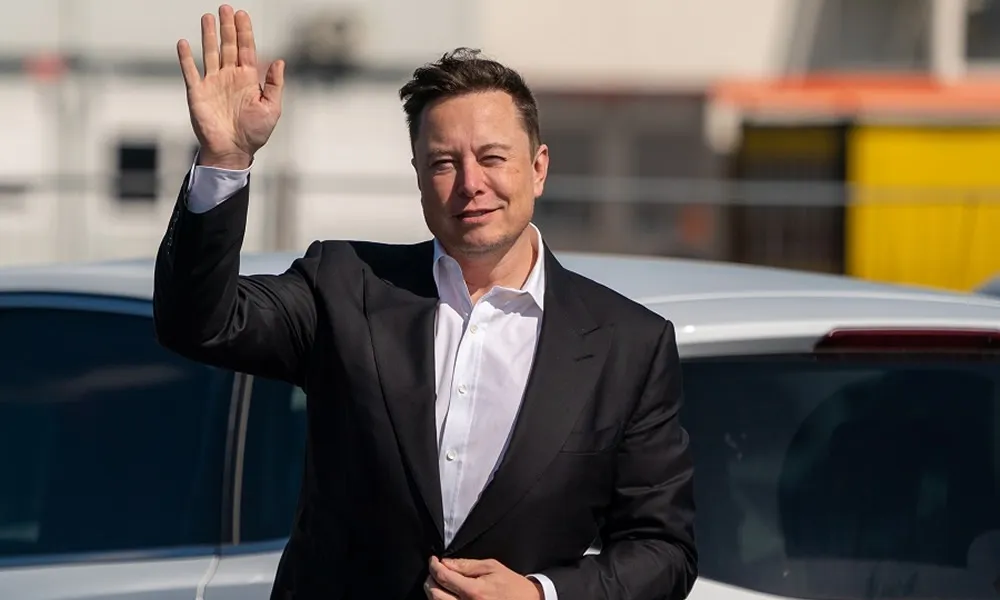

Not even hundreds of millions of dollars from Elon Musk were enough to prevent the Republicans' heavy defeat in the US midterm elections.
One of the most expensive personal political interventions in modern American history ended in disappointment for the billionaire entrepreneur, who invested at least $446 million in efforts to boost Republican candidates during the 3 November 2026 midterm elections.
According to an analysis by British newspaper The Guardian, published on 4 November, the owner of X and chief executive of Tesla and SpaceX channelled at least $446 million into organisations supporting Republican candidates.
The figure exceeds even the amount he spent in support of Donald Trump's 2024 presidential campaign, making Musk the largest individual donor of the election cycle.
The investment, however, failed to deliver the desired outcome.
Democrats secured control of both the House of Representatives and the Senate, while candidates who received substantial backing from Musk suffered important defeats.
Hundreds of millions spent with little to show
According to The Guardian, Democrats won all five Senate races in which Musk's political organisation, America PAC, had spent the most money.
One of the most notable examples was Texas, where Musk invested heavily in support of Republican candidate Ken Paxton.
Despite an extensive advertising campaign, Democrat James Talarico emerged victorious, delivering a major political upset in a state long regarded as a Republican stronghold.
According to figures cited by the newspaper:
- At least $216 million of Musk's political contributions went to America PAC.
- Another $168 million was directed to the Senate Leadership Fund, a powerful organisation backing Republican Senate candidates.
His political intervention included television advertising, digital campaigns, voter messaging operations and aggressive promotion of candidates through social media platforms.
The post that disappeared
Another aspect attracting attention concerns Musk's conduct on X, the platform he owns.
According to the Washington Post, on election day Musk urged his more than 240 million followers to back Republican candidates, posting the message:
"Vote red today!"
However, by Wednesday morning, after the scale of the Republican defeat had become clear, the post was no longer visible on his account.
Its disappearance was noted by several American media outlets, with reports suggesting Musk had deleted it.
The billionaire has not publicly explained its removal.
"My space lasers didn't work"
Rather than offering a detailed political assessment of the result, Musk responded with sarcasm.
According to AFP, he wrote on X that his supposed election-interfering "space lasers" had evidently failed to work this time.
The post was made in a humorous tone and included an emoji expressing indifference or awkwardness.
In another post, Musk joked that data centres in space were beginning to look like an attractive idea.
The comment was linked to the election of Democrat Gina Hinojosa to statewide office in Texas. The incoming leadership has previously expressed concerns about the unchecked expansion of energy-intensive data centres.
The development carries significance for Musk because Texas remains a major centre of operations for many of his companies.
Potential consequences for his businesses
The political fallout may extend beyond Musk's influence within the Republican Party.
According to The Guardian, the new balance of power in Congress creates conditions for increased scrutiny of his business activities, particularly regarding government contracts, public funding and regulatory oversight.
SpaceX holds significant contracts with the US government, while Tesla is directly affected by federal policies on electric vehicles, autonomous driving and technological innovation.
At the same time, Musk's growing interests in artificial intelligence and large-scale data centres could face increased political and regulatory attention.
Democrats have already expressed interest in examining the role Musk has played within the federal government, as well as the relationship between his companies and public contracts and subsidies.
This does not mean decisions have been taken against any of his companies. However, the loss of Republican political dominance creates a different operating environment for the entrepreneur.
Looking toward 2028
The question now is whether Musk will continue investing vast sums in American politics ahead of the 2028 presidential election.
Despite the election result, he remains one of the Republican Party's most important financial supporters and still controls an extraordinarily powerful platform for public influence through X.
The November election, however, highlighted the limits of financial power in politics.
Musk spent hundreds of millions of dollars, mobilised his personal platform and backed candidates across the country, yet was unable to prevent Democratic victories.
And while his political investment failed to secure the outcome he wanted, the consequences of the Republican defeat may ultimately affect not only his relationship with Trump, but also the future of his business interests in the United States.
Source: Guardian, Washington Post and AFP