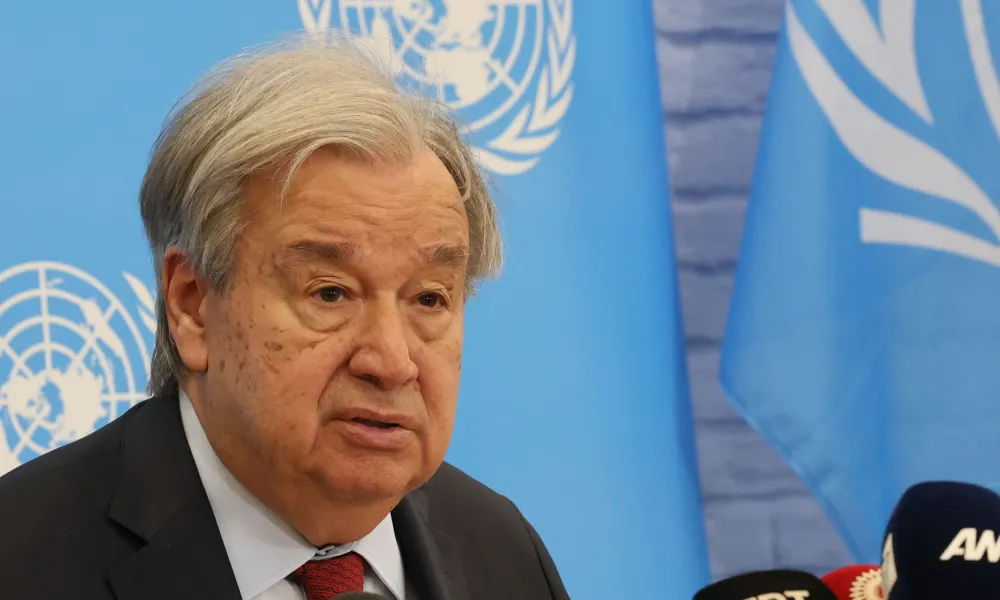

US President Donald Trump is scheduled to meet Sheikh Mohammed bin Abdulrahman Al Thani, Qatar's prime minister and foreign minister, at the White House today, according to a Reuters report citing the president's official schedule.
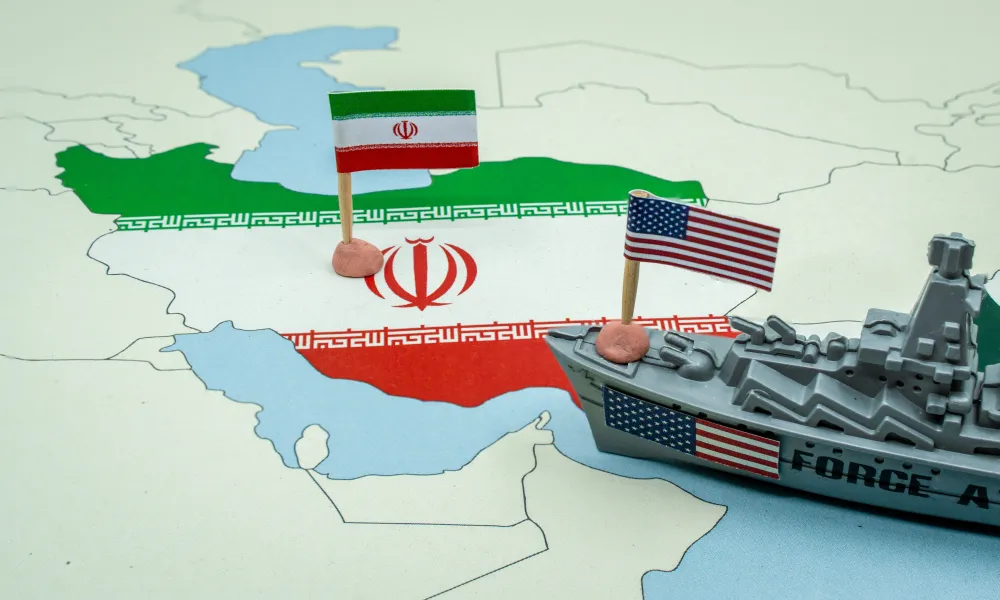
The meeting comes as the war with Iran continues and diplomatic efforts to reach a settlement face significant obstacles.
Al Thani has been among the mediators involved in indirect talks between Washington and Tehran. The meeting with Trump is expected to take place behind closed doors.
US Vice President JD Vance is also expected to meet the Qatari prime minister, according to a US official.
Limited progress in talks
US Secretary of State Marco Rubio said on Saturday that negotiations with Iran had made little progress and that he did not see prospects for a breakthrough in the near future.
Speaking before departing Florida for the G7 foreign ministers' meeting in Paris, Rubio insisted that Trump still wants a diplomatic solution but described Tehran's demands as "unacceptable", "outrageous" and "ridiculous".
Earlier, Trump told CNN that additional US strikes against Iran were "very unlikely" if negotiations advance and a "strong" agreement is reached.
However, he warned that Washington would target additional infrastructure, including bridges, if hostilities resume.
Iran says contacts have stalled
The comments from Trump and Rubio appeared at odds with remarks made on the same day by Iranian Foreign Minister Abbas Araghchi.
Araghchi said diplomatic contacts between the two governments had effectively stopped following last week's US midterm elections.
"For the past few days there has been no movement," he said, referring to meetings and contacts involving mediators.
He added that the elections had created a shock internationally and that time would be needed before conditions become favourable for mediation efforts to resume.
"We need to be patient," he said.
Diplomatic contacts had intensified before the elections of 3 November.
Following the Republicans' heavy defeat, Trump acknowledged that the war launched by the United States and Israel against Iran on 28 February, and the resulting surge in oil prices, had partly contributed to the election outcome.
Source: ANA-MPA