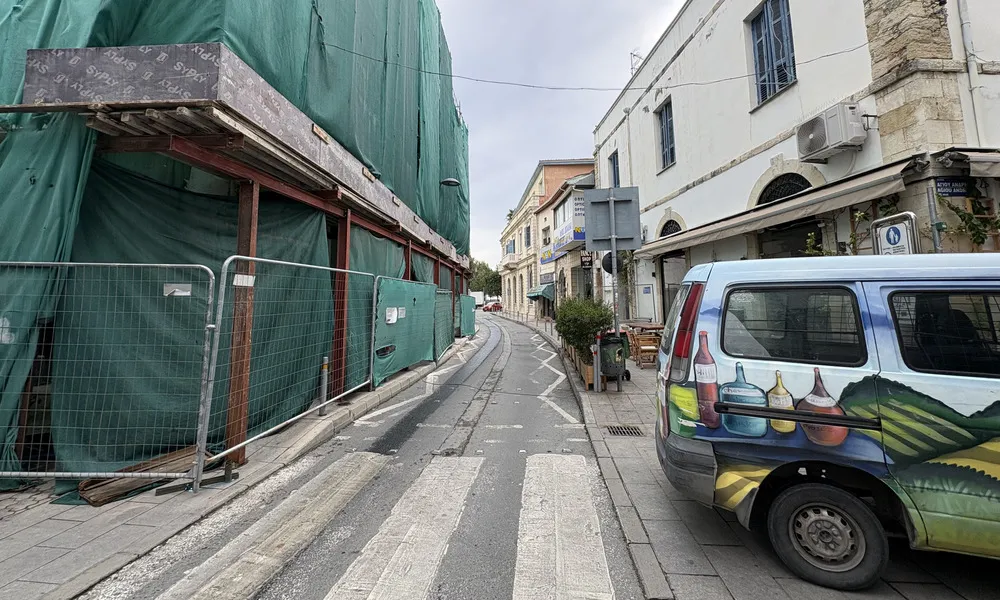

You are walking along what is supposed to be a pavement, keeping to the rhythm of traffic beside you, when the space simply gives up. A car blocks the way. A fence cuts across it. A pole, a sign, a stack of materials finishes the job. You slow down, you look ahead, and you realise that the pavement is no longer a pavement but a suggestion, ending abruptly with a kerb and a stream of moving vehicles.

There is a brief pause, rarely more than a second or two, in which you calculate your options. Turning back often makes little sense. Crossing the road may be impossible. And so, like so many others before you, you step down and walk alongside cars, trusting that drivers will notice you, that nothing unexpected will happen, that this small risk will pass without consequence.
In Limassol, this moment is part of the daily choreography of moving through the city on foot.


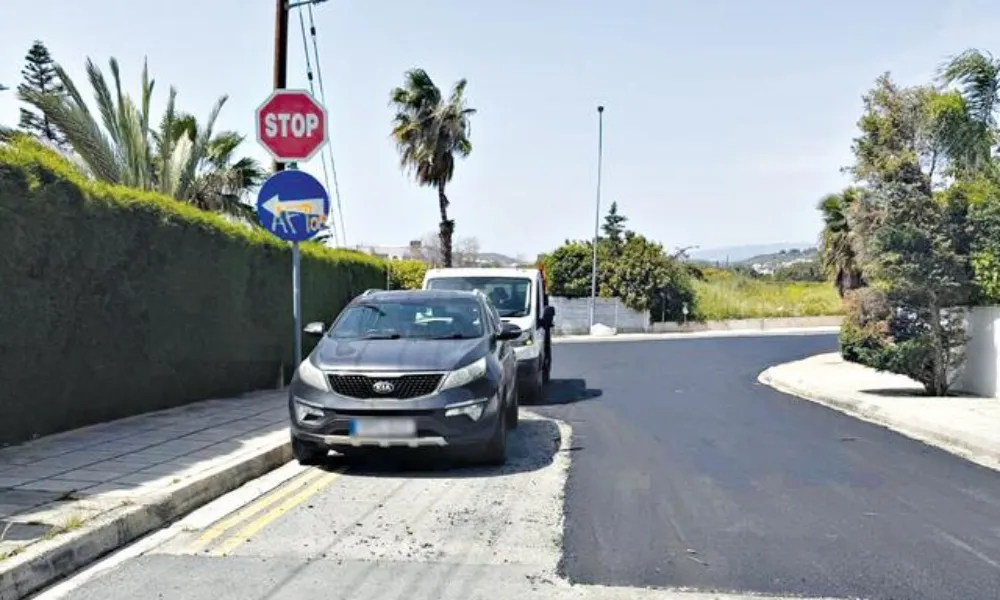

Photographs and short videos taken across different neighbourhoods tell the same story of beloved Limassol. Pavements that narrow until they vanish. Sidewalks occupied entirely by parked vehicles, trash and endless construction works, leaving pedestrians to improvise their way around metal fencing and broken kerbs.
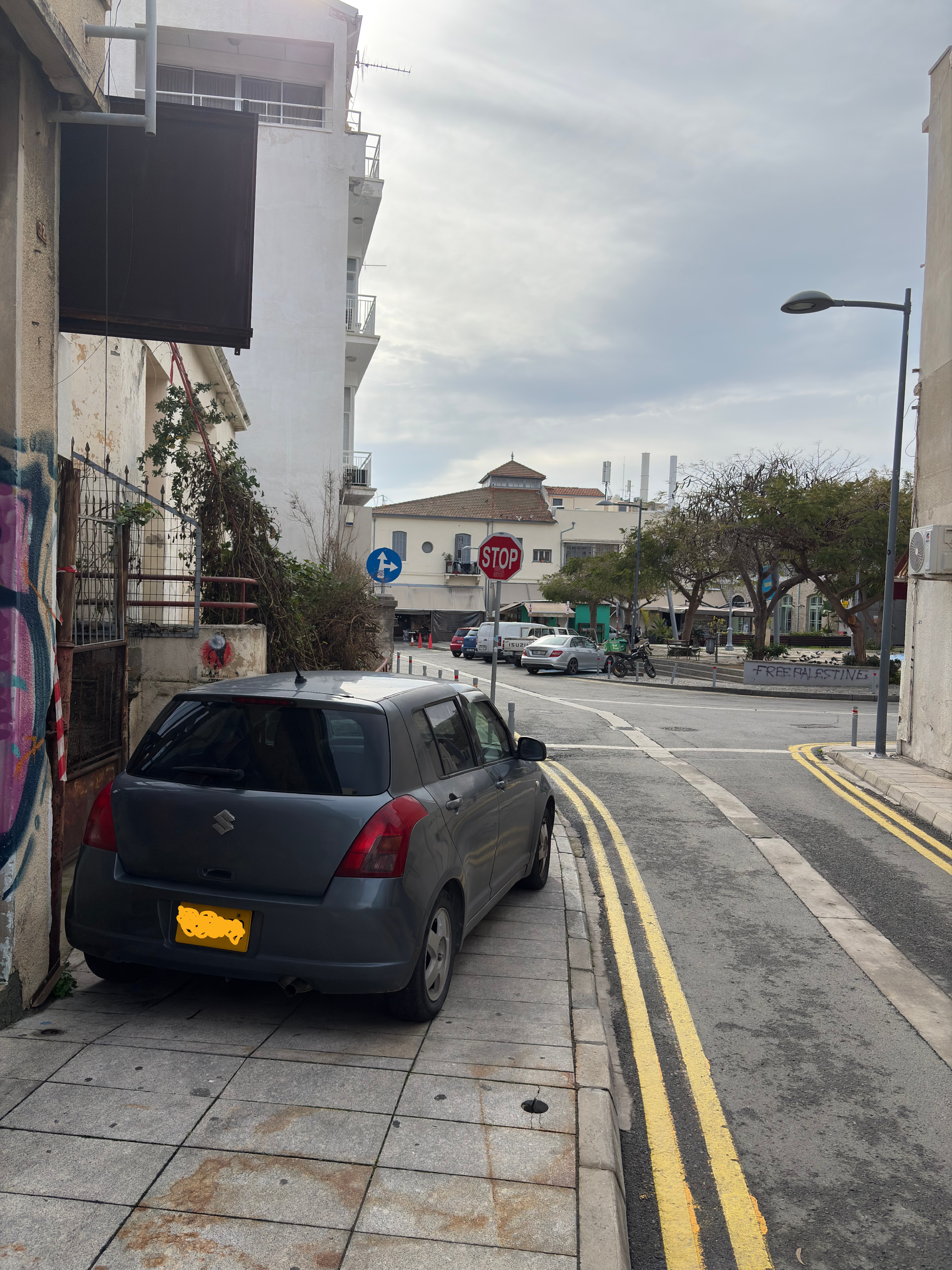
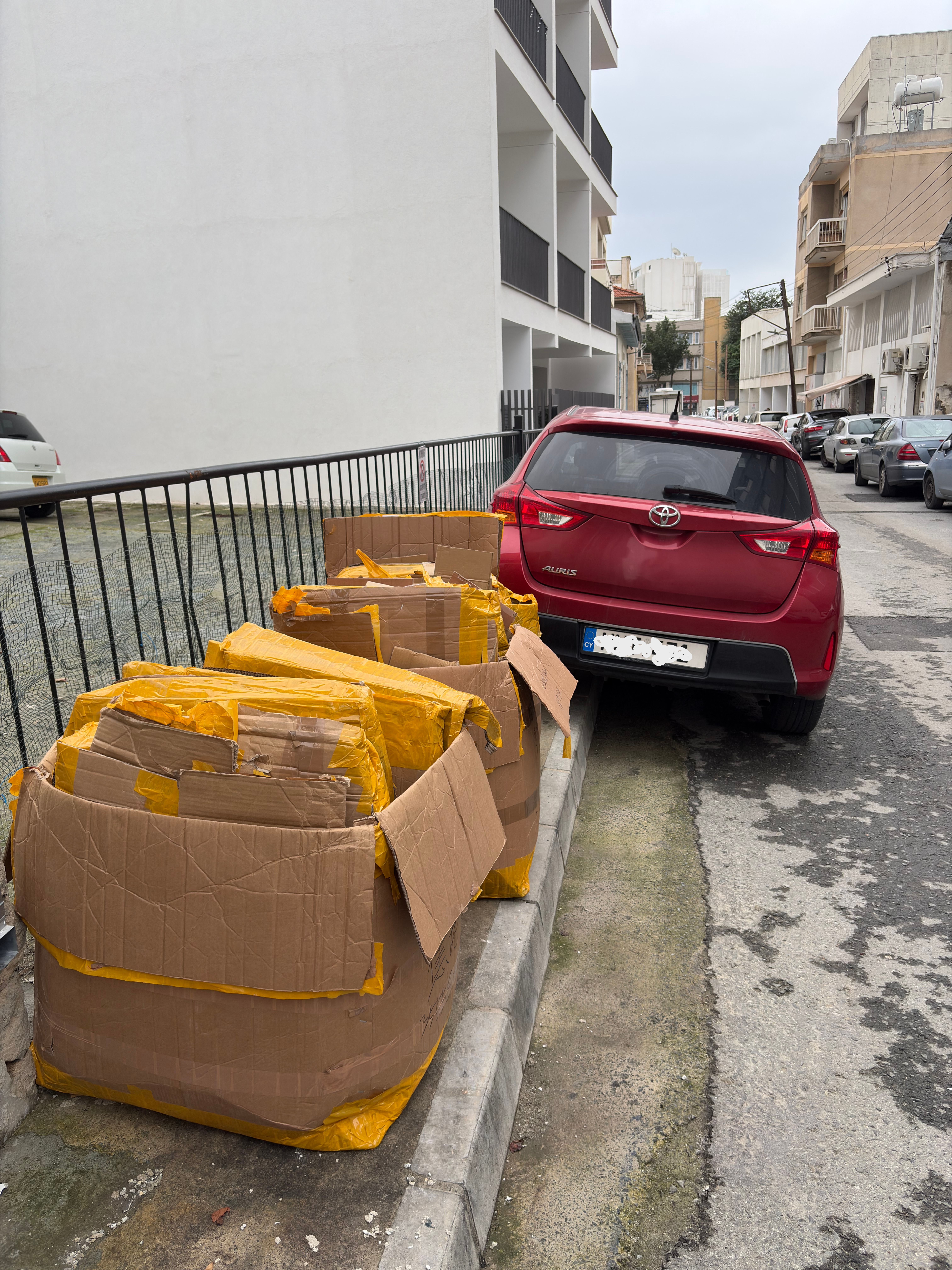

There are no temporary walkways, no protected detours, no clear signals that pedestrian passage was ever considered essential. The assumption seems to be that people will manage, that they will step into traffic and find their way back onto the pavement somewhere further along.
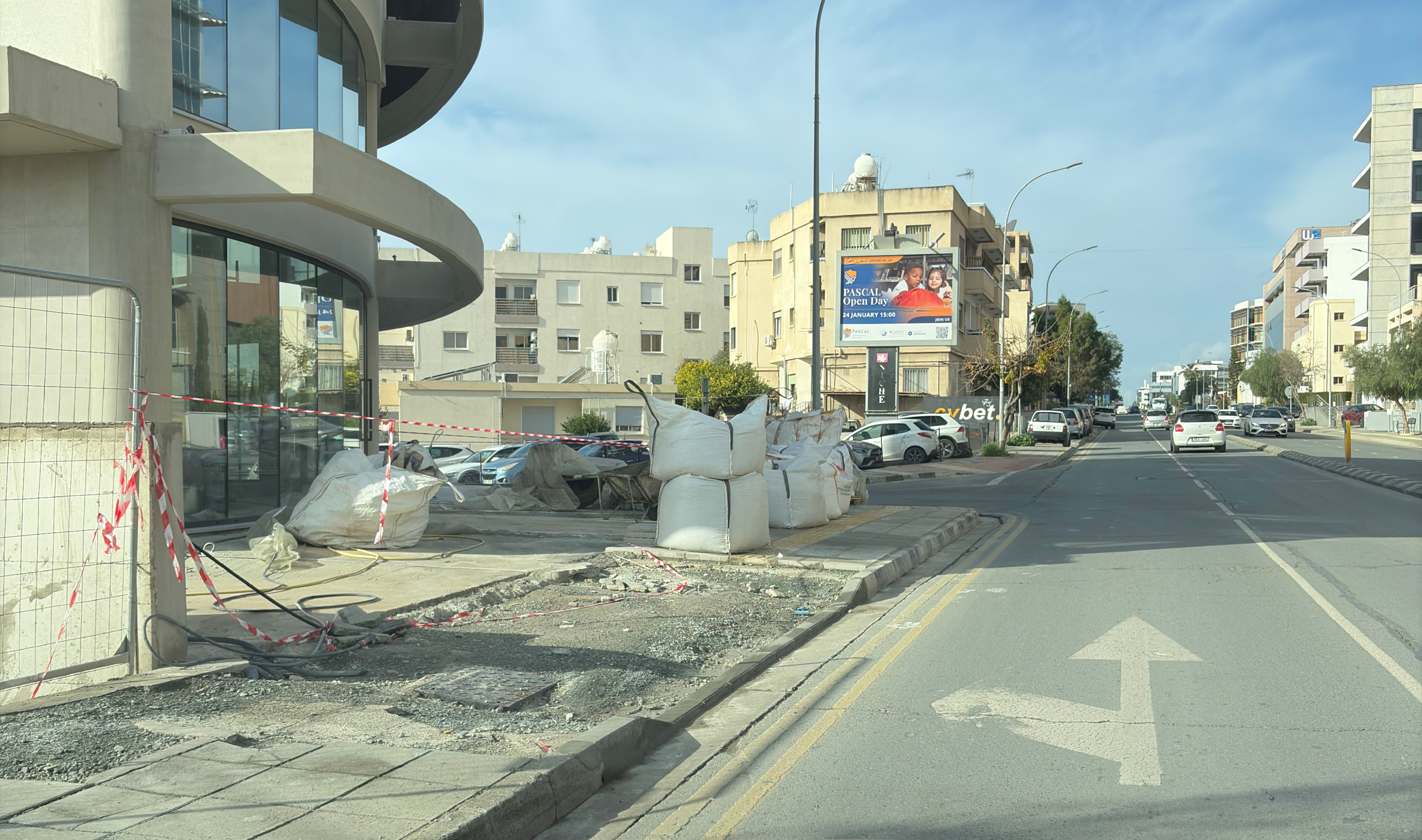
The danger has been absorbed into the ordinary. This pattern repeats itself across residential areas, commercial roads, routes to bus stops, shops and schools.
Each obstruction can be explained on its own terms. A driver parked “just for a minute”. A contractor waiting on permits. A utility pole placed where it was easiest, not where it was safest. But taken together, these explanations form a system in which pedestrian space is endlessly compromised and rarely restored.
What emerges is a quiet hierarchy of priorities, in which traffic flow, parking convenience and construction timelines consistently outrank the simple need to move through the city on foot without fear.
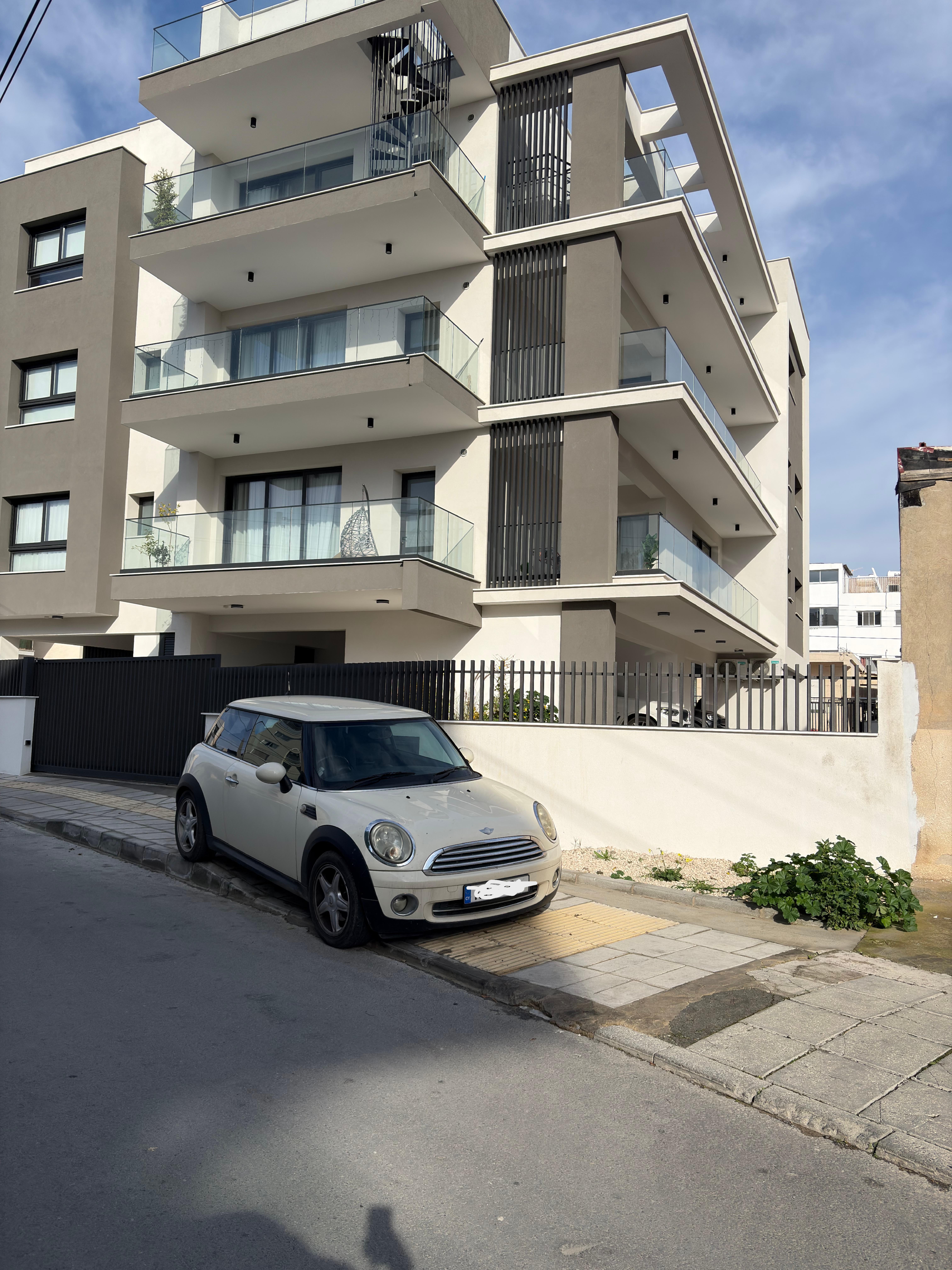
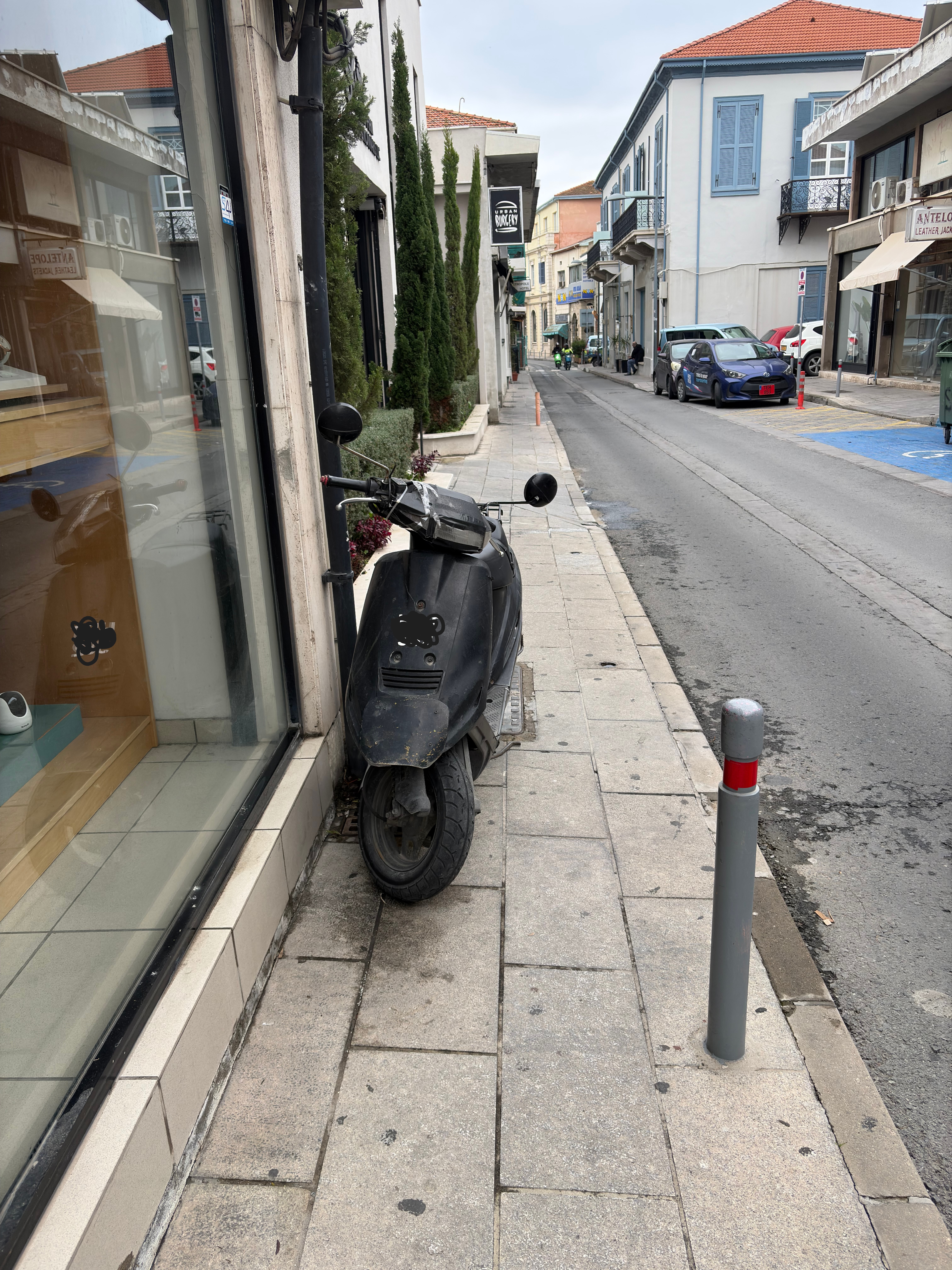
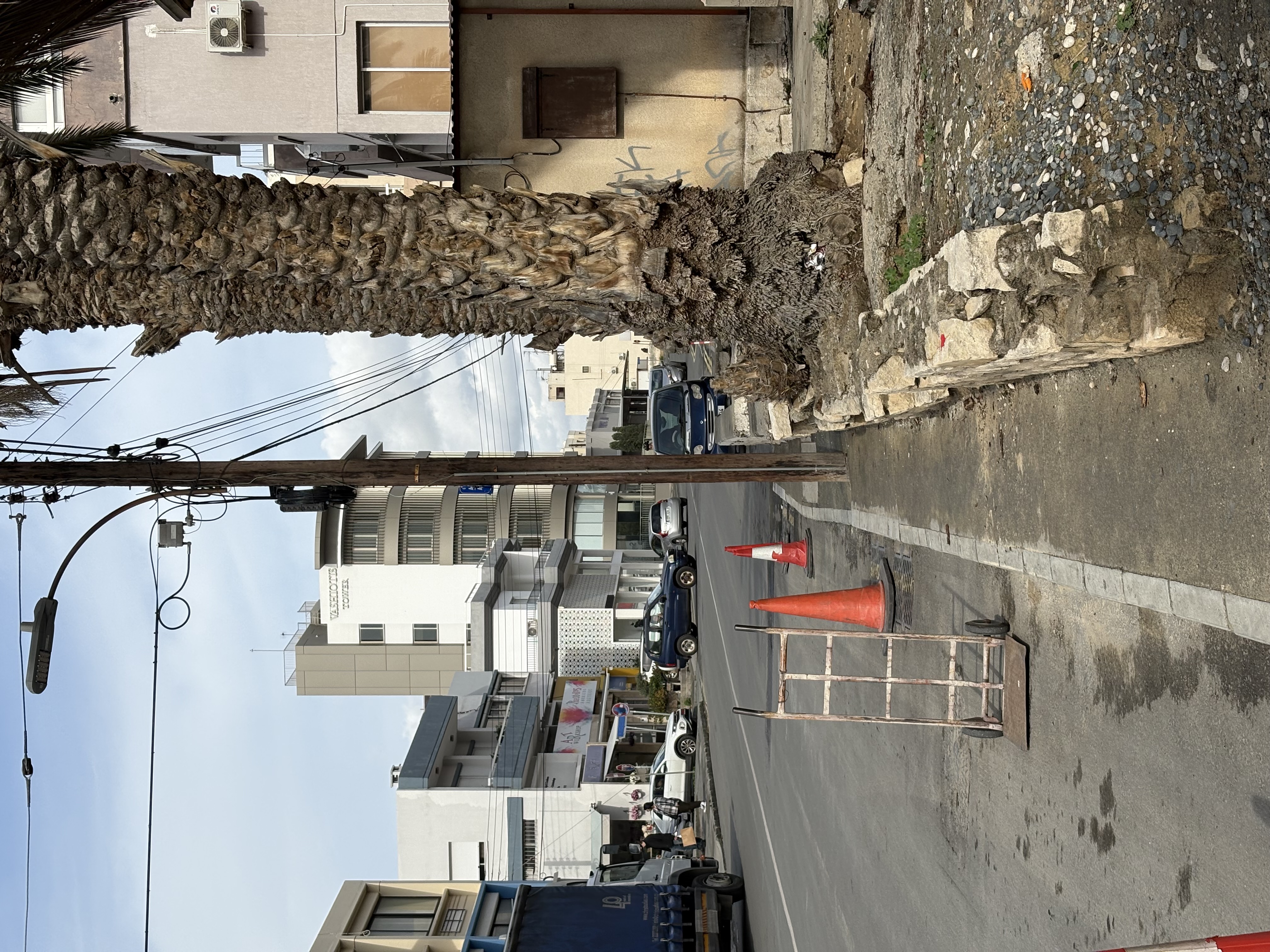
Those who are young, agile and familiar with the streets learn to step off pavements quickly and keep moving. Others do not have that luxury. For wheelchair users, a blocked pavement can be an impassable wall. For parents with small children, it becomes a moment of exposure and stress. For older residents, whose pace is slower and whose balance less forgiving, the risk is magnified with every step into the road.
A city that routinely places these people in harm’s way is quietly deciding who belongs comfortably in public space and who must constantly adapt, detour or retreat.
Municipal authorities, private developers, contractors, utility services and everyday drivers each play a role, and each can plausibly claim that the problem lies elsewhere. The result is a city full of pavements that are technically present but practically unusable.


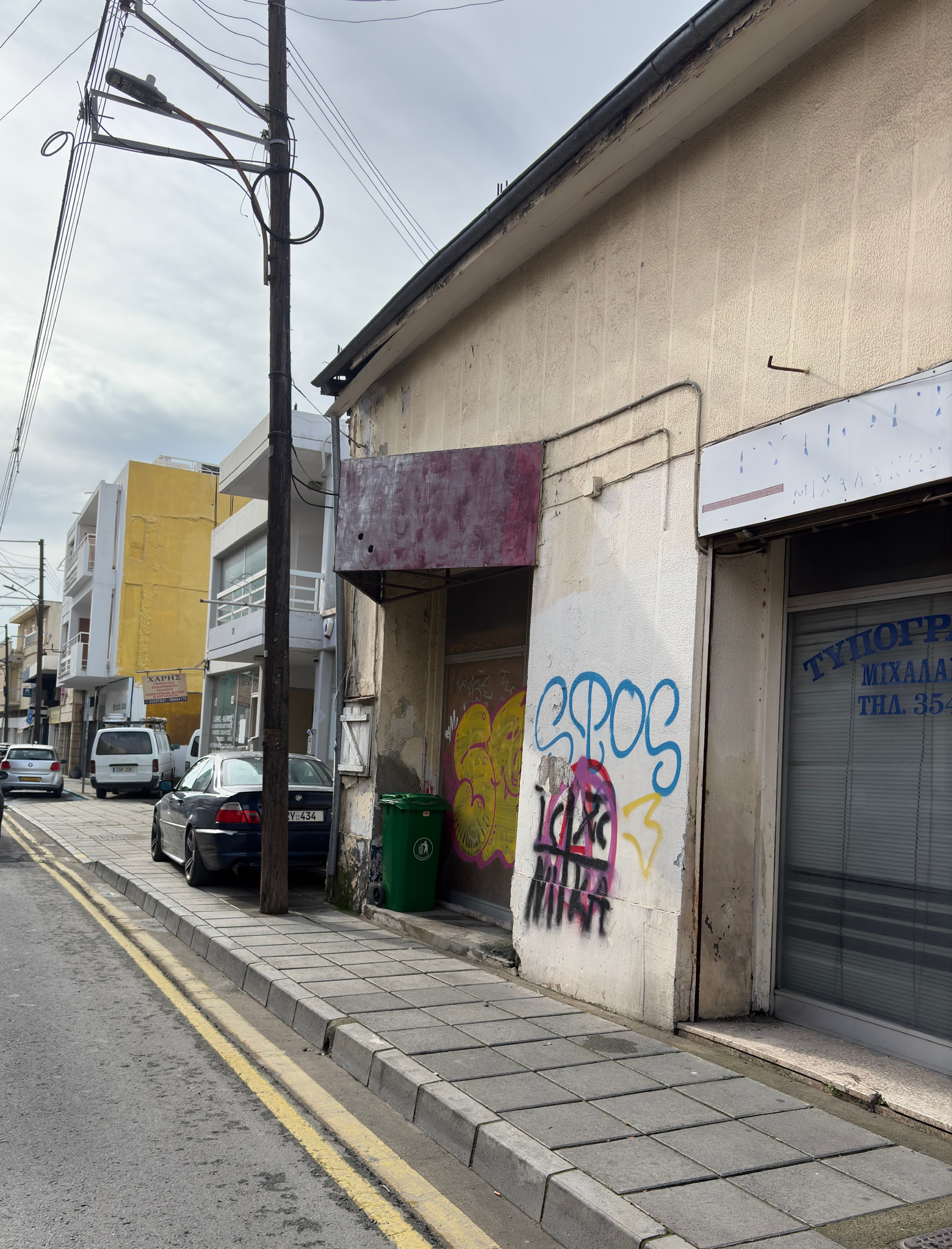
What is missing is enforcement and intent.
Limassol has spent years reshaping itself around movement, but largely through the lens of vehicles. Roads are widened, junctions redesigned, traffic managed and redirected. Walking, when it appears in planning conversations at all, feels secondary, something to be accommodated if space allows.
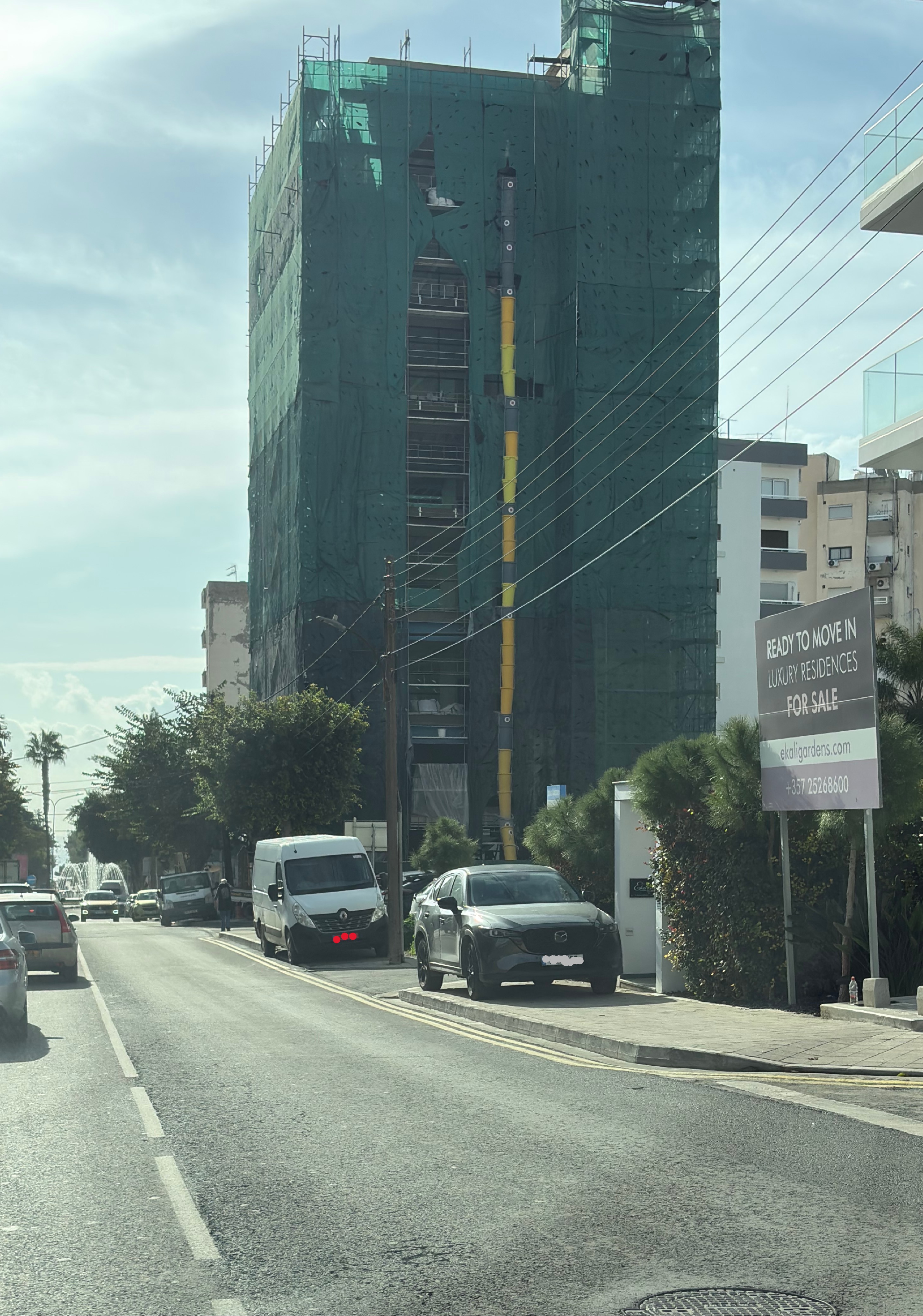
Yet walking is the most basic form of urban life. It is how people encounter one another, how neighbourhoods function, how cities breathe. When it becomes hazardous, the failure is fundamental.
A city that forces pedestrians into traffic is unsafe by design.

Nothing documented here requires visionary urban theory or large-scale reinvention. It requires a decision, repeated consistently, that pavements are not negotiable and pedestrian passage is not expendable. Until that decision is made and enforced, walking in Limassol will remain an act of calculation, carried out daily by people who should never have to choose between reaching their destination and stepping into live traffic.
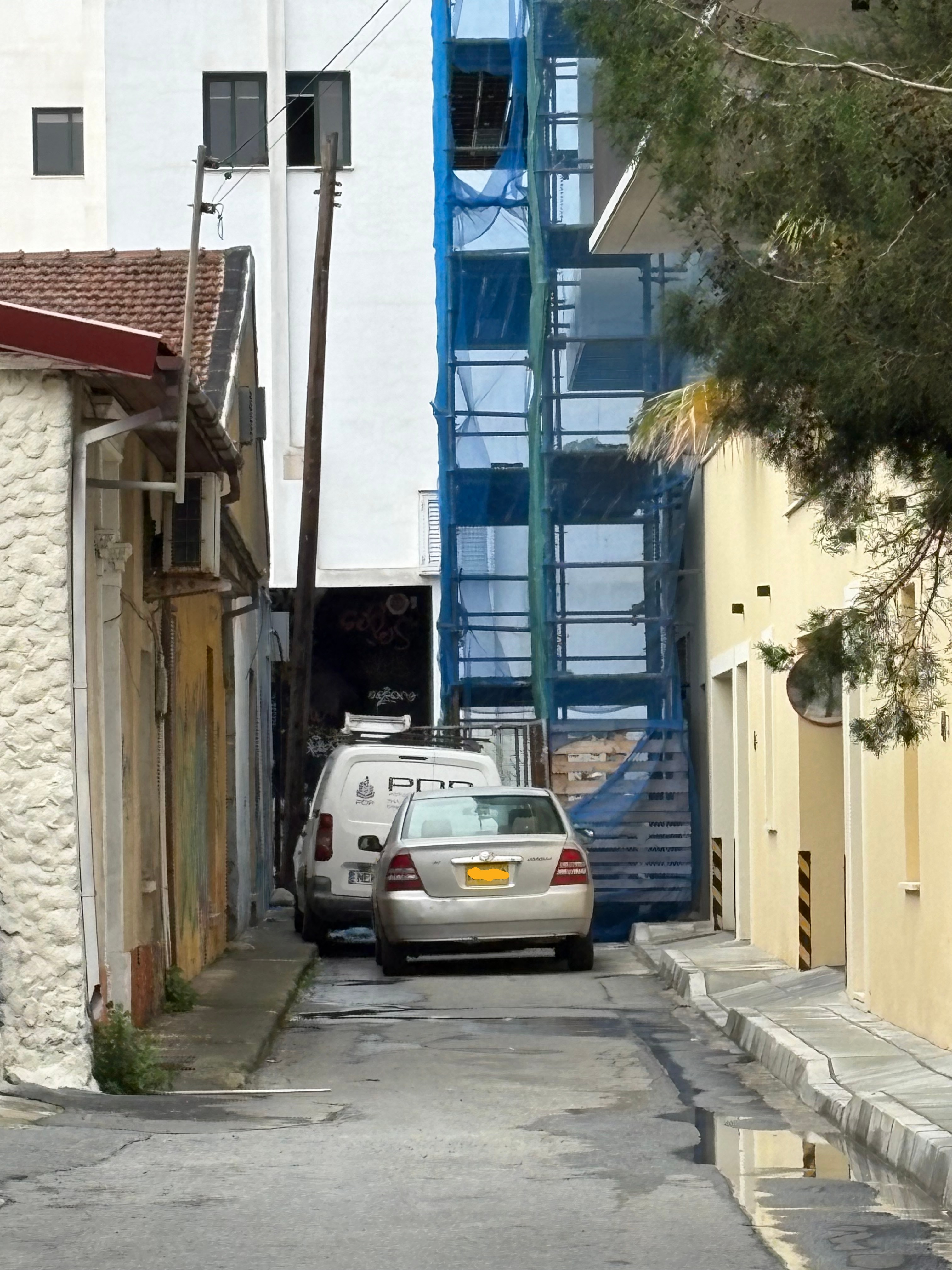
And the warning implied by the city’s streets will remain unchanged: don’t you dare walk here without watching your back.
Also, don't forget to take a break and smell the roses.