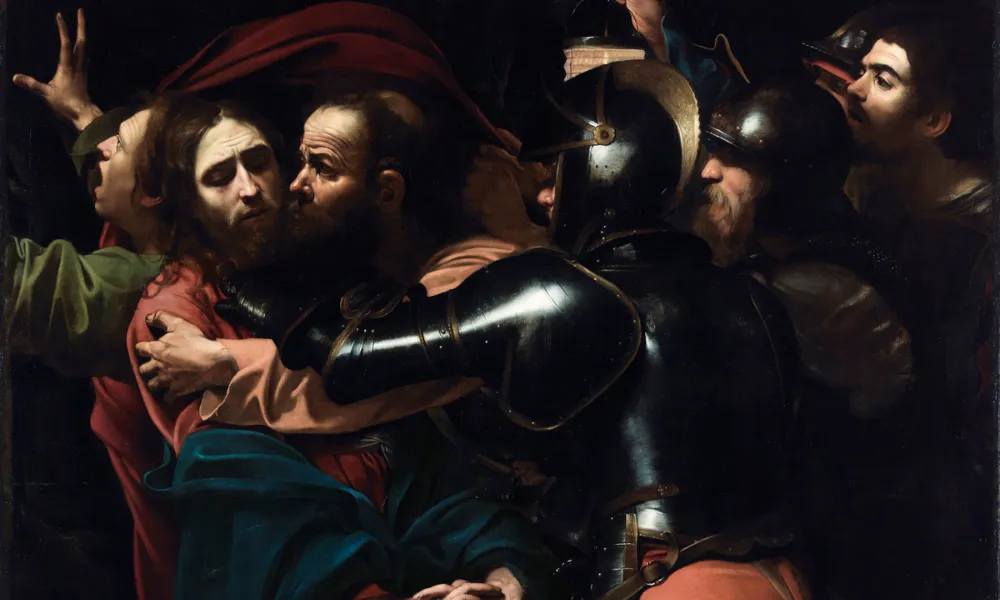
The feature-length documentary Caravaggio, dedicated to the Italian Baroque painter Caravaggio, premiered in cinemas last autumn and will soon be released for television audiences.
The film, directed by Phil Grabsky and David Bickerstaff, is part of the Exhibition on Screen series produced by the British company Seventh Art Productions.
The documentary will now become more widely available as it premieres on Marquee TV, a platform dedicated mainly to performing arts content, on 6 April.
Five-year production process
The directors worked on the project for five years. The film traces the brief but influential life of Caravaggio across Rome, Naples, Malta and Sicily, before his death in 1610 at the age of 38.
Through a combination of artworks, historical context and cinematic reconstruction, the documentary explores the life and creative evolution of one of the most influential artists in Western art.
The film highlights the painter’s distinctive use of self-representation within his works, sometimes concealed and sometimes clearly visible, revealing aspects of his personality and the personal struggles reflected in his art.
Expert commentary and historical reconstructions
The documentary includes commentary from art historians and specialists, including Helen Langdon, who published a book on Caravaggio in 2012.
British actor Jack Bannell portrays the artist in historical reconstructions included in the film.
Caravaggio’s early works focused largely on portraiture, before he gradually became one of the most influential painters of religious scenes in European art.