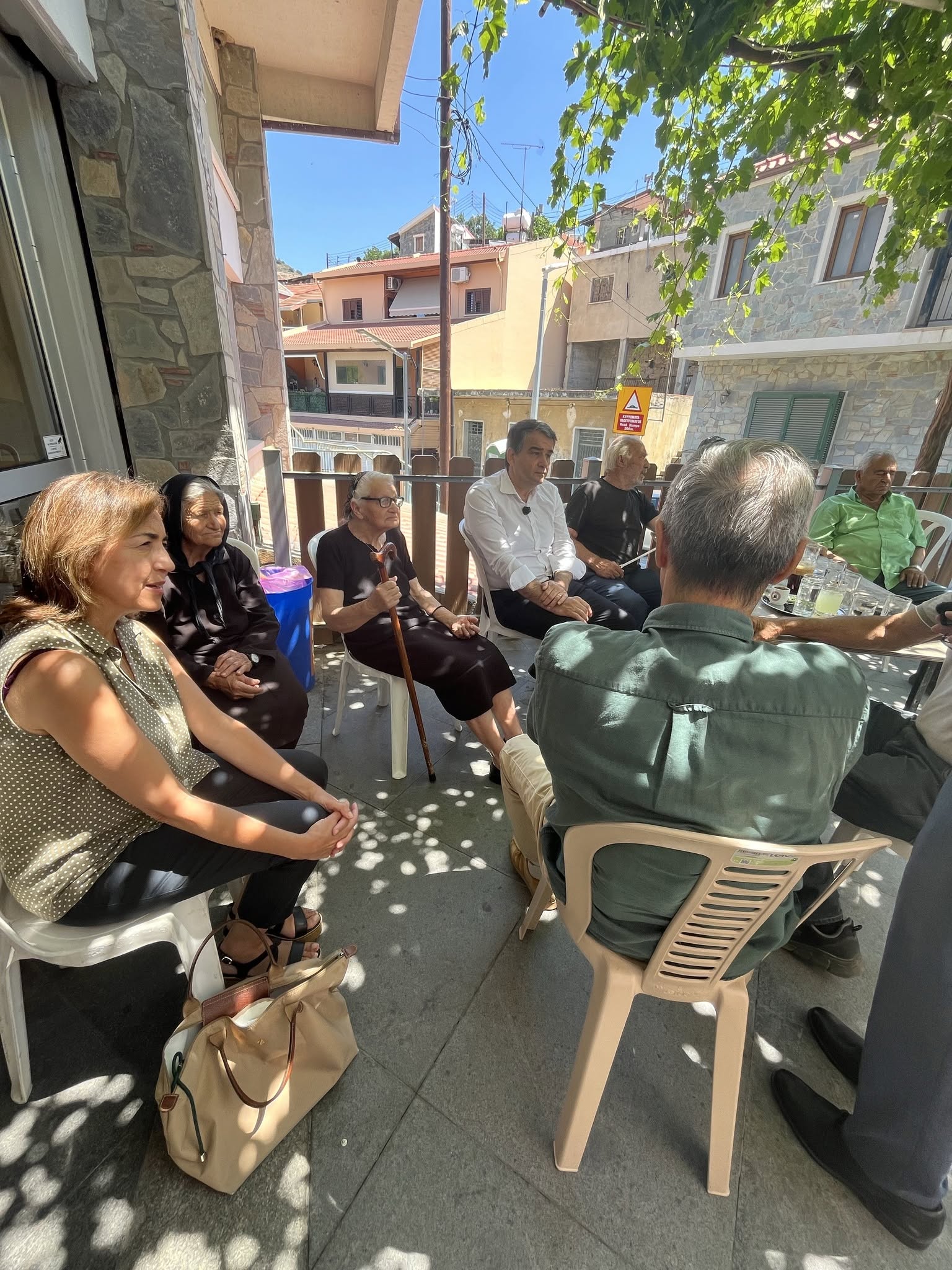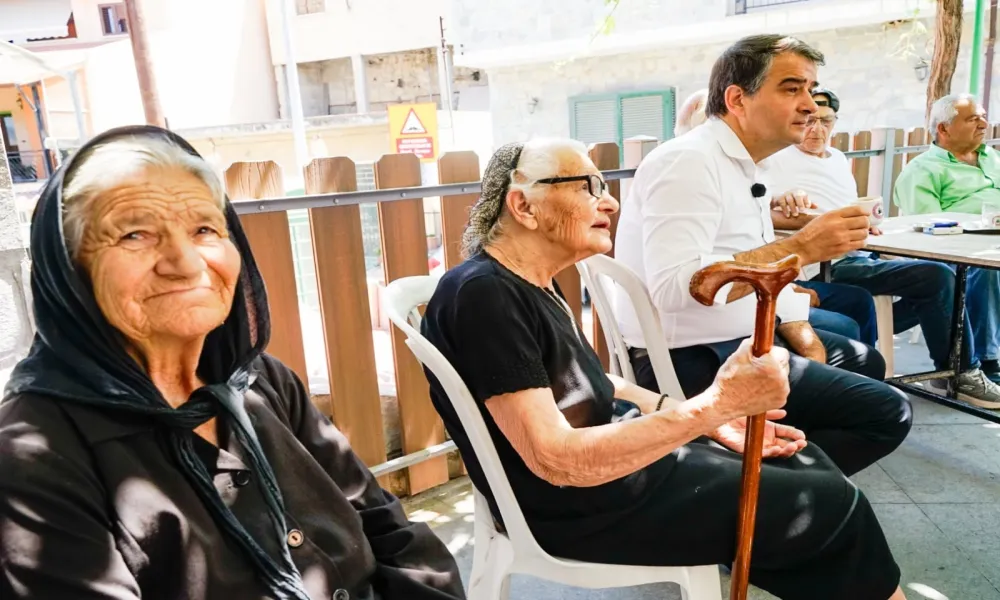

The road up to Agios Ioannis winds through the southwestern edge of the Troodos mountains, past terraced vineyards and villages that have spent decades watching their populations shrink. On 25 June, a black car carrying Rafaele Fitto, the European Commission's Executive Vice President, made that same climb. For a few hours, the protocols of Brussels gave way to something plainer: a village breakfast table, a walk past the old grocery store, and conversations with people who rarely get the ear of someone so senior in Europe.
Fitto would go on to be named the Commission's Special Representative for Cyprus, tasked with supporting efforts to resolve the Cyprus problem within the UN framework. But before any of that, he came simply as a visitor to a community of around 300 residents, determined to show him what rural Cyprus actually looks like.
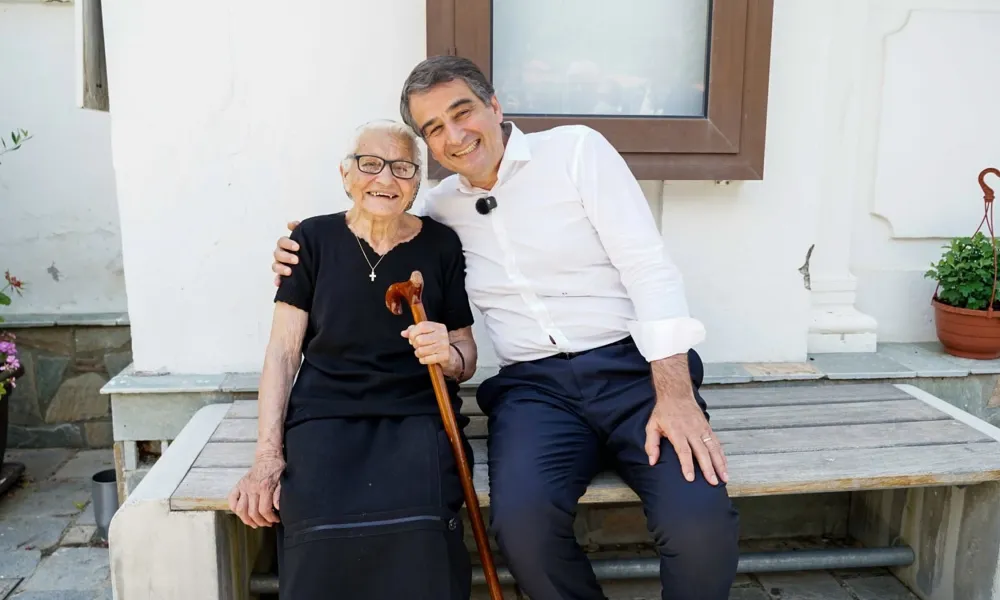
Coffee, halloumi and a village that fed him first
The visit began with a traditional Pitsilia breakfast prepared by residents themselves: chamouli, anari, homemade sausages and other local dishes, alongside a taste of village-made zivania. Cyprus coffee, inevitably, was at the centre of the table, and Fitto lingered over it, talking with villagers about their everyday lives rather than moving quickly through a schedule.
Christakis Tsangaris, the community leader of Agios Ioannis, told Politis that Fitto arrived visibly at ease and genuinely curious about the place and its people. "He came to listen to the problems of rural Cyprus, not to make promises," Tsangaris said, adding that Fitto sat with both younger residents and elderly villagers, listening closely to what concerned the community.
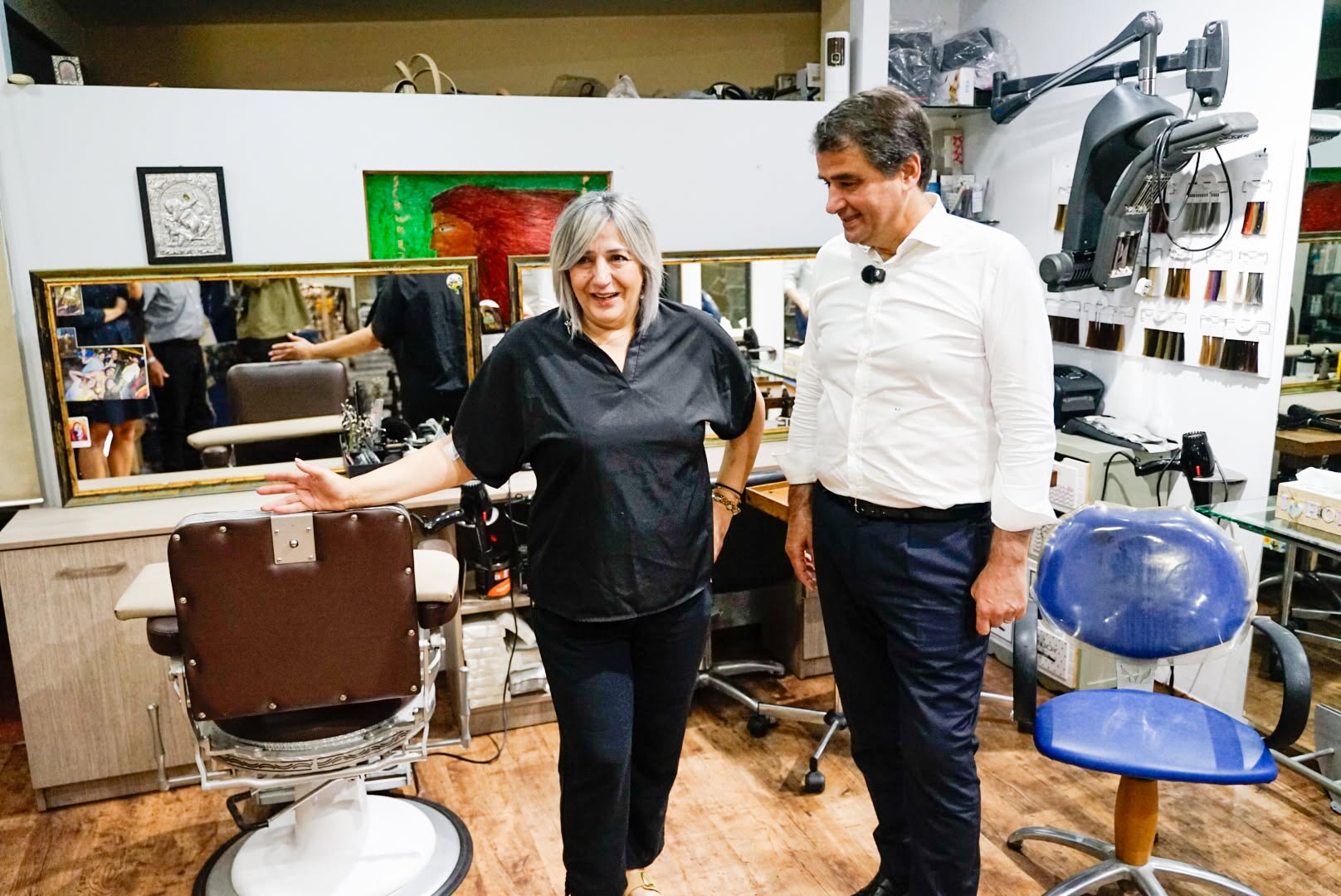
Fitto also stopped at the village's old grocery store, still a natural meeting point for residents, where he spoke further with locals about the rhythms of everyday rural life. He was shown the two churches of Archangel Michael, one of which falls under the Department of Antiquities, and heard about their place in the village's religious and historical identity.
A village betting on its own survival
Beneath the hospitality lay a sharper story, one the community was eager for Fitto to hear. Agios Ioannis has set aside 16 building plots to sell at affordable prices to young couples, on condition that they remain in the village for at least ten years. Fourteen have already been sold. In a village this size, each new family carries real weight: a chance to keep houses occupied and neighbourhoods from emptying out entirely.
Fitto spoke directly with children from the village, who described the difficulties of growing up with limited infrastructure. Residents also raised the poor state of the road connecting Agros to Limassol, explaining how it affects their ability to travel, reach services and simply go about daily life. According to Tsangaris, Fitto showed particular interest in the issue.
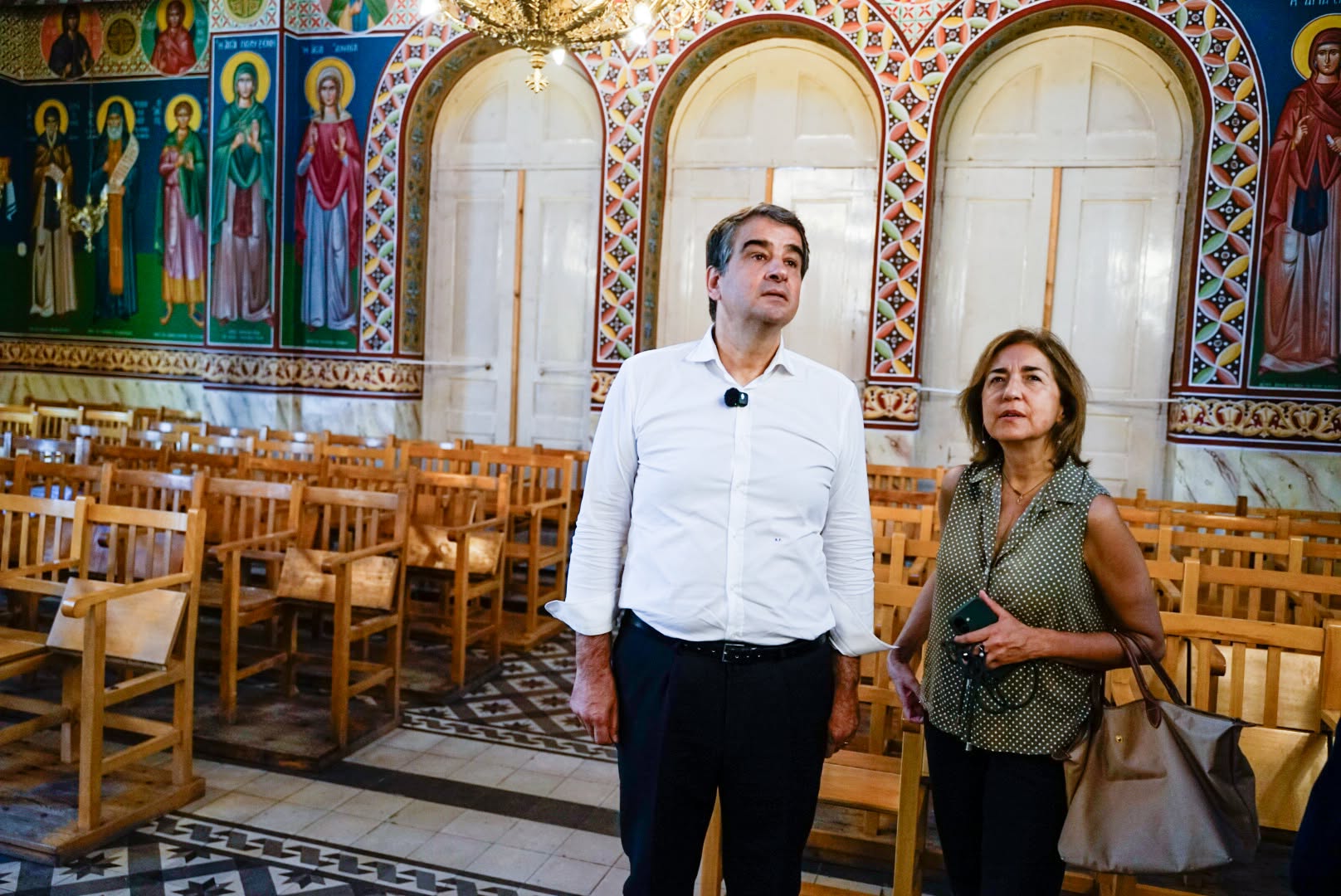
During the visit, Fitto said the EU's broader strategy is aimed at creating the conditions for young people to live and work in the places where they were born.
By the time he left, Fitto had spent an afternoon inside a community fighting to stay alive. What the villagers of Agios Ioannis were left with was the memory of a European official who drank their coffee, ate at their table, walked through their grocery store, and, if only for a few hours, actually listened.