
Shipping has long been one of the key pillars of the Cypriot economy, contributing around 7% of GDP. However, the size of Cyprus' ship registry and the country's position as an international maritime hub also entail increased responsibilities, particularly with regard to upholding international law and ensuring effective oversight of maritime transport in the region.
The current situation involving uninsured and substandard vessels operating in the Eastern Mediterranean underlines the importance of that role. Cyprus has already taken significant institutional measures, removing 70% of oil tankers from its national registry following the adoption of European restrictive measures. At the same time, it has tightened its legislative framework, introducing fines of up to €40 million and prison sentences of up to five years for offenders. Despite these steps, addressing the problem cannot be confined solely to the administrative and legislative level.
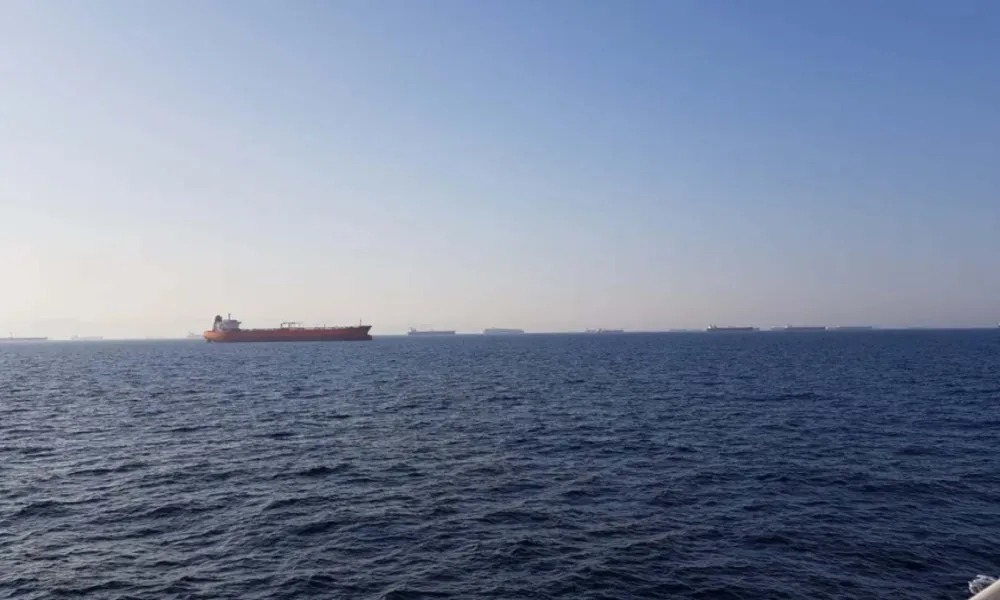
The movement of the shadow fleet creates clear risks for maritime safety, subsea infrastructure and the stability of the marine environment. At present, Cypriot authorities are largely limited to monitoring vessel activity within areas of the Exclusive Economic Zone (EEZ) that are under the effective control of the Republic and reporting suspicious incidents. Unlike other European Union member states, Cyprus does not possess the appropriate offshore vessels required to conduct physical inspections or boardings beyond its territorial waters.
To meet its international responsibilities more fully, it is now necessary to consider a substantial strengthening of the Republic's maritime capabilities. Investing in a fleet with greater operational capacity and modern surveillance systems would enable the relevant authorities to monitor maritime zones more effectively and intervene with a physical presence whenever required.
Upgrading these operational assets, combined with the strict enforcement of the existing legal framework, would strengthen Cyprus' credibility as a responsible maritime centre. At the same time, it would contribute to safeguarding the wider Eastern Mediterranean from the environmental and geopolitical risks posed by unregulated maritime networks.
Cyprus lies at the heart of the Eastern Mediterranean and cannot remain a mere observer. We must demonstrate to our partners across the wider region that the Republic of Cyprus is an active player, not only in policy but also on the ground.