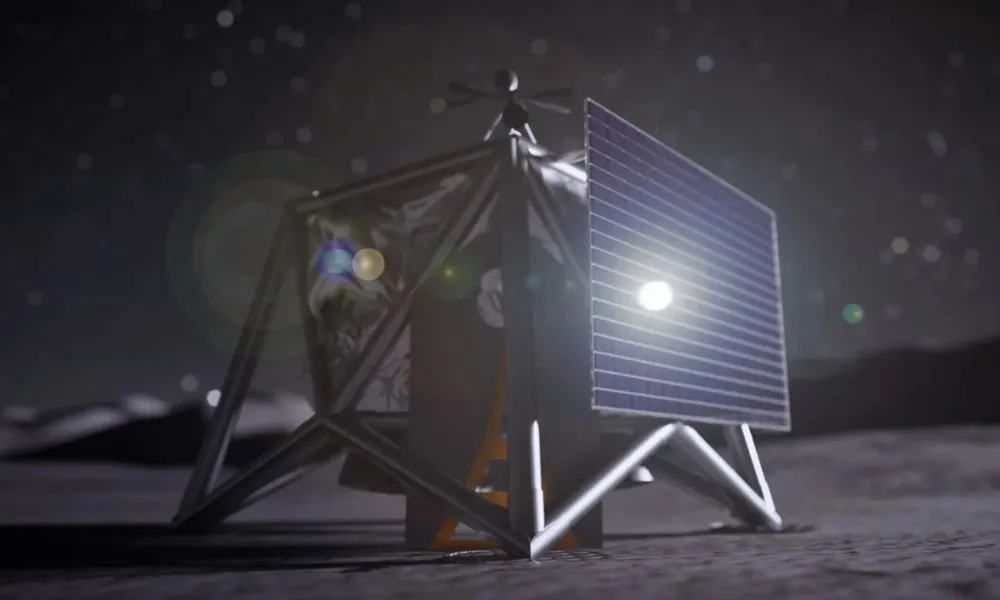

Nasa has unveiled new details of robotic systems, drones and vehicles it plans to send to the Moon as part of efforts to establish a permanent lunar base, as the United States seeks to return humans to the lunar surface before 2029.
The plan comes amid growing competition with China, which is also advancing its own programme to land astronauts on the Moon by 2030. This has intensified pressure on the US space agency to demonstrate progress in what is increasingly seen as a new space race.
The initiative forms part of a broader programme aiming to build a permanent base at the Moon’s south pole by 2032, powered by a combination of nuclear and solar energy. Such a base could support scientific research, facilitate resource extraction and serve as a stepping stone for missions to Mars.
Before sending humans, Nasa plans to deploy robotic landers, hopping drones and autonomous vehicles to explore and map the challenging terrain. These systems will also deliver scientific instruments and enable future astronauts to travel across the lunar surface.
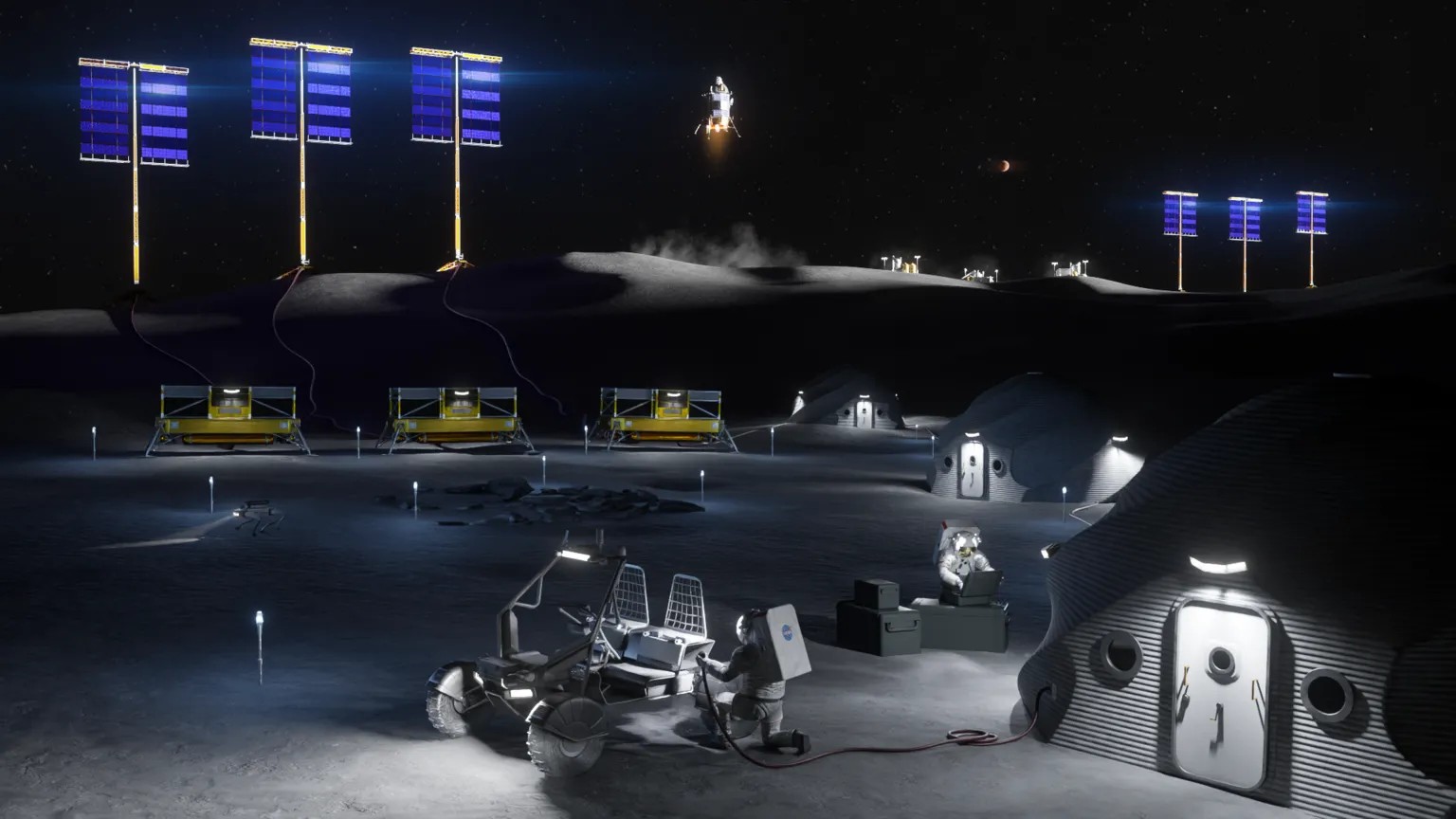
Several private companies, including Blue Origin, Intuitive Machines and Astrobotic, have been selected to develop the required technology. Nasa has already published renderings of the planned base, which include housing units, power systems and rovers designed to support long-term human presence.
The initial phase of robotic exploration is expected to run until 2029, involving multiple launches and the delivery of several tonnes of equipment to the Moon. The next stage includes the construction of energy infrastructure, including fission reactors, to support sustained operations.
By 2032, Nasa hopes to enable astronauts to live in semi-permanent facilities, while rovers will allow long-distance movement across the surface. The Moon’s south pole is considered particularly strategic due to the presence of frozen water, which could be used for drinking or converted into oxygen.
However, doubts remain about the timeline. Experts point out that the programme depends on the successful development of spacecraft capable of safely transporting astronauts to the lunar surface, a task that continues to face technical delays.
Some scientists believe China may reach the Moon first, reflecting the challenges facing the US programme despite recent successes in orbiting missions.
Despite these concerns, Nasa officials insist that the plan represents a significant step forward, underlining the US commitment to maintaining a long-term presence on the Moon.