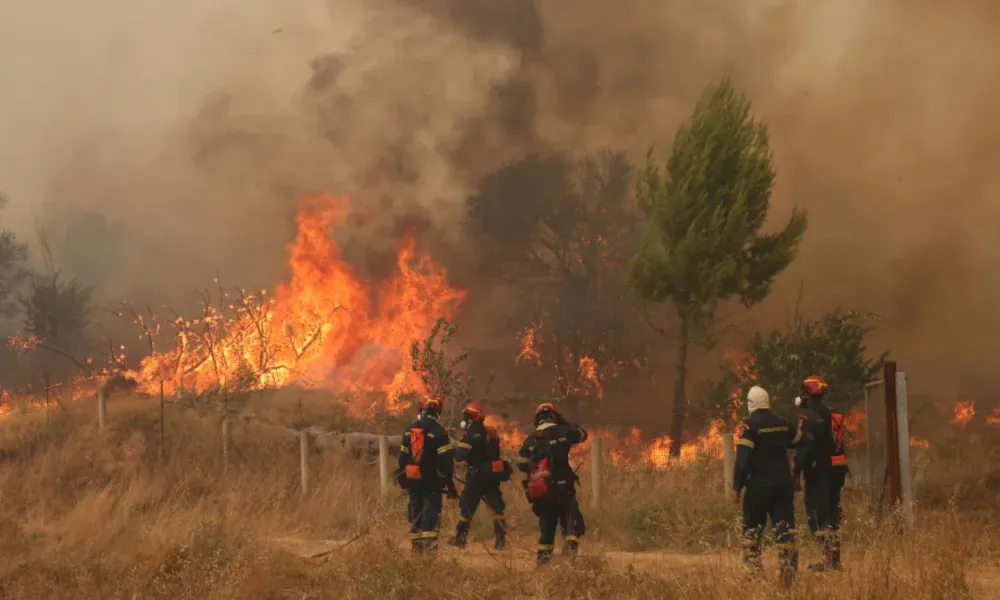

Forest fires, extreme drought and record-breaking temperatures marked Europe's summer this year, leaving behind falling Gross Domestic Product (GDP), indirect costs and inflationary pressure. According to calculations by Triodos Bank, reported by Spanish news agency Efe, the extreme weather that hit the European Union this summer could cut the bloc's GDP by around 1% in 2026 - a cost of roughly €180 billion.
Direct losses only part of the picture
That figure represents only the "direct and immediate" losses, according to Efe's report. Heather Grabbe, a researcher at the economic think tank Bruegel, said other studies suggest the indirect costs in the years following such disasters can be far higher.
Sofía Tirado, a researcher at Spain's Elcano Royal Institute, pointed to the broader loss of wealth - "both short and long-term" - that events like this summer's wildfires can cause across the region, effects that often go unrecorded in GDP figures. "What often happens at the economic level is that these impacts usually lead to a fall in GDP, but sometimes this is not reflected at the aggregate level," Tirado said, noting that affected regions can even show growth at the time thanks to the disaster relief they receive.
Costs already climbing
Direct economic losses in the EU from extreme weather and climate events totalled €822 billion between 1980 and 2024, according to the European Environment Agency (EEA). That cost is expected to rise "rapidly," according to a Bruegel report, at a time when the effects of climate change have stopped being a marginal risk and have become a "structural macroeconomic and fiscal problem."
This summer has already had a significant impact on national economies. In France, the finance ministry estimates that the heatwave and drought will cost the country one-tenth of its GDP. The situation is little better in Germany, where the central bank, the Bundesbank, warned in its August bulletin that low river levels would slow the country's economic recovery in the third quarter of the year.
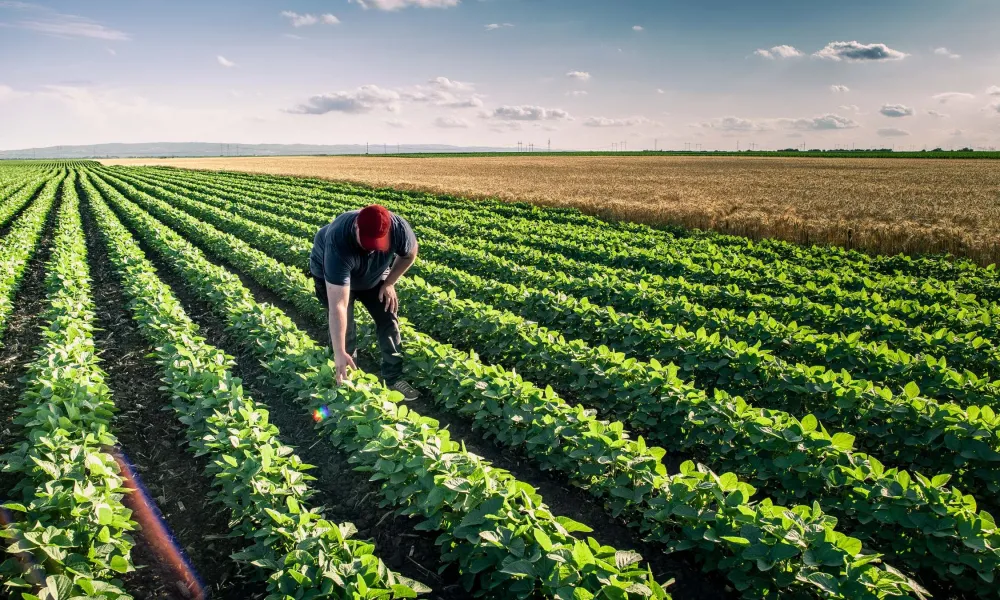
In both countries, Tirado said, the drought-driven slowdown will hit the agricultural sector particularly hard, damaging crops and productivity, with knock-on effects for food prices and, in the medium term, for inflation and GDP growth.
Could climate change move interest rates?
Concern has reached the European Central Bank (ECB)'s Frankfurt headquarters, where officials consider it self-evident that the growing frequency of natural disasters linked to global warming poses a threat to financial stability. That was the view of ECB Executive Board member Frank Elderson, in an interview with The Guardian in early August, in which he argued that nature-related risks can carry significant economic and financial consequences.
"It's true they haven't yet made a direct decision to change interest rates because of climate change, but they are finding that it is affecting inflation and growth," Tirado said, adding that she believes both the ECB and the Bank of Spain itself are "increasingly concerned" about the impact of extreme weather events on the economy.
Long-term consequences
These are "significant" consequences for the economy, and ones that will worsen in future, according to the Elcano Institute researcher. "The economy will be hit in the long term," Tirado said, noting that while droughts have always occurred, climate change will increase their intensity and frequency.
"As climate-driven extreme temperatures and rainfall patterns become more frequent, economies will have less time to recover between events. Governments, businesses and households will need to spend more money repairing damage from disasters, reducing the funds available for investment," Grabbe said.
Adapting to what comes next
Bruegel's experts consider it essential for EU countries to implement adaptation plans and systems to limit the losses governments will be forced to absorb. "Spain has an exceptionally good insurance system against climate disasters, through the Consortium, from which other EU countries could learn in order to reduce the losses governments are forced to cover due to a lack of insurance coverage," they explained.
They also believe governments will eventually be forced to acknowledge the limits of asset protection and adopt measures to facilitate relocation within European territory.