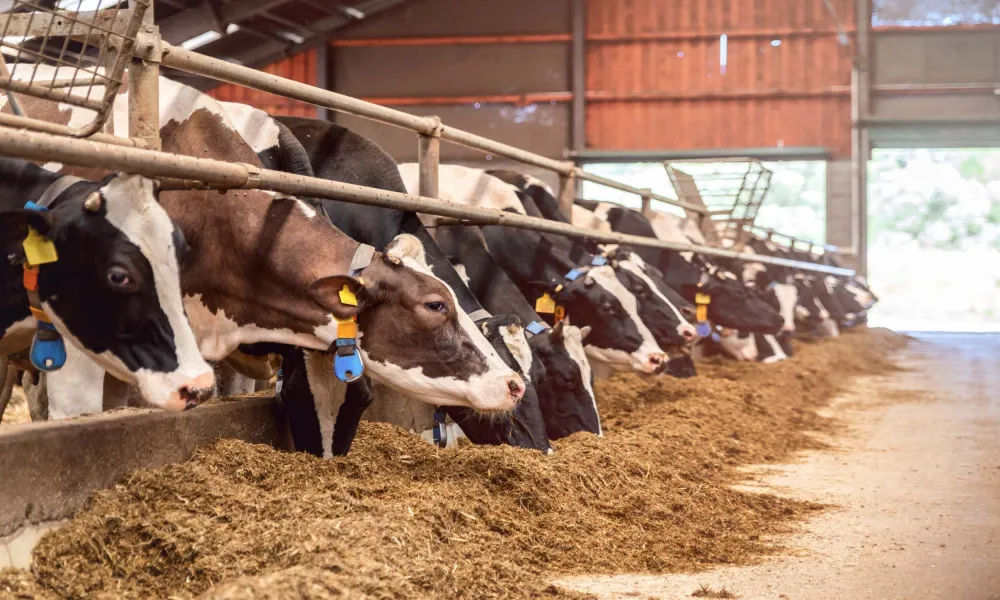

Although foot-and-mouth disease appears to be under control, with no new cases detected through sampling for a month and the total remaining at 121, some livestock farmers are warning that unvaccinated animals could trigger a resurgence of the crisis.
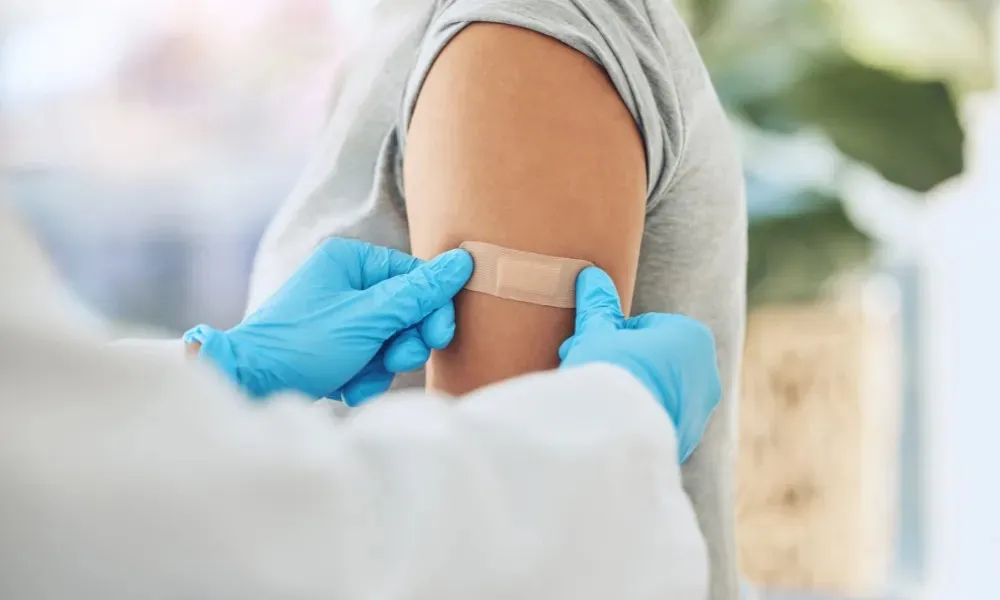
Groups of farmers have repeatedly urged the Veterinary Services to immediately vaccinate animals that remain unvaccinated within already vaccinated farms. These are animals born to vaccinated mothers but, because they were born after the first and second vaccine doses were administered, have not yet been incorporated into what is known as herd immunity.
The issue was raised again during Tuesday's session of the House Agriculture Committee, although officials were not given the opportunity to respond.
Giannis Kailas, representing the Cyprus Cattle Breeders Association (ENAK), described the matter as the dairy sector's primary concern, saying farmers have repeatedly requested immediate vaccination of these animals.
He said they had previously been informed that the request would be examined and that vaccine supplies were limited. Now that additional batches have arrived, and given that the numbers involved are relatively small – around 30 to 50 cattle per farm – he believes the request can be accommodated.
Kailas added that similar coverage should be extended to sheep and goat units, where the number of unvaccinated animals is higher than in cattle farms.
He also stressed that vaccination should proceed immediately in the three-kilometre and ten-kilometre protection zones, saying livestock farmers remain worried about animals that have yet to receive protection.
According to Dr Dimitris Epaminondas, president of the Pancyprian Veterinary Association and a member of the Scientific Committee advising the Veterinary Services, authorities plan to vaccinate new and unvaccinated animals during the third booster vaccination round.
Speaking to Politis, he explained that this phase will begin six months after the second vaccination, starting for some farms in early September and for others in early October, with the process continuing until between December and February.
During that cycle, the animals concerned will receive both their first and second vaccine doses.
Dr Epaminondas said this approach was chosen to save resources, time and travel, rather than vaccinating the animals now and then beginning a new island-wide booster programme a month and a half later.
He explained that successful herd immunity against foot-and-mouth disease, sufficient to halt transmission and reduce the virus' spread, depends on at least 75 per cent vaccination coverage both on individual farms and across the national livestock population.
Current completion rates for the first and second vaccine doses stand at:
- 87 per cent for cattle
- 67 per cent for sheep and goats
- 41 per cent for pigs
Epaminondas said comments made during the parliamentary discussion implied that authorities were not interested in achieving full vaccination coverage, an assertion he rejected.
He maintained that the Veterinary Services have repeatedly explained their strategy to livestock farmers.
Another issue concerns unvaccinated livestock units located in remote parts of the Paphos and Limassol districts, areas considered free of the virus.
During the parliamentary discussion, Christos Papapetrou, president of the Pancyprian Farmers Union (PEK), noted that some animals in those districts have not yet received even a single vaccine dose and urged authorities to act immediately.
He cited those cases in support of his argument that restrictions on grazing should not yet be relaxed, despite demands from sheep and goat farmers.
“We are in a good phase, with no new cases, but this is a critical point for the course of the virus. At this stage there can be no relaxation,” he said.
According to Epaminondas, vaccination of these animals – including both required doses – began in June and is expected to be completed in early September.
A shipment of 500,000 vaccine doses was received on 7 June to cover the Limassol and Paphos districts and support the upcoming booster campaign.
A further 500,000 doses for pigs are expected to arrive on 19 July 2026.
A nationwide epidemiological investigation involving cattle, sheep and goats is also under way, following a strategic district-by-district approach.
Sampling in the Famagusta district began in the easternmost areas and will gradually move towards locations bordering or falling within the ten-kilometre zones of the first outbreaks in Larnaca.
In Larnaca district, sampling started in the western areas and will move towards locations within the three-kilometre outbreak zones.
In Nicosia district, sampling began in western and southern areas and will gradually move towards locations bordering the three-kilometre outbreak zones.
In Limassol and Paphos, sampling has begun in areas where animal vaccination programmes have already been completed.