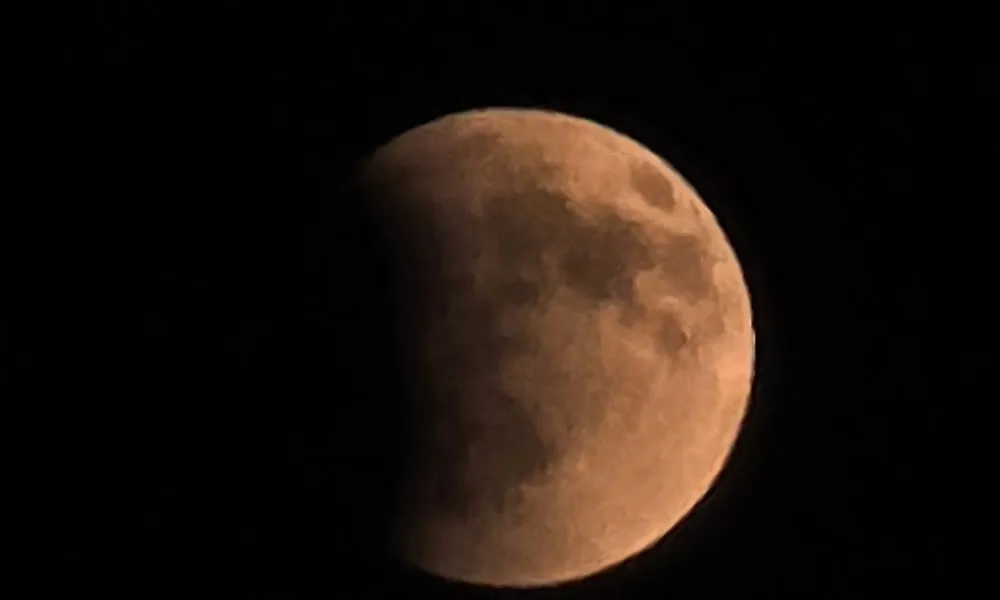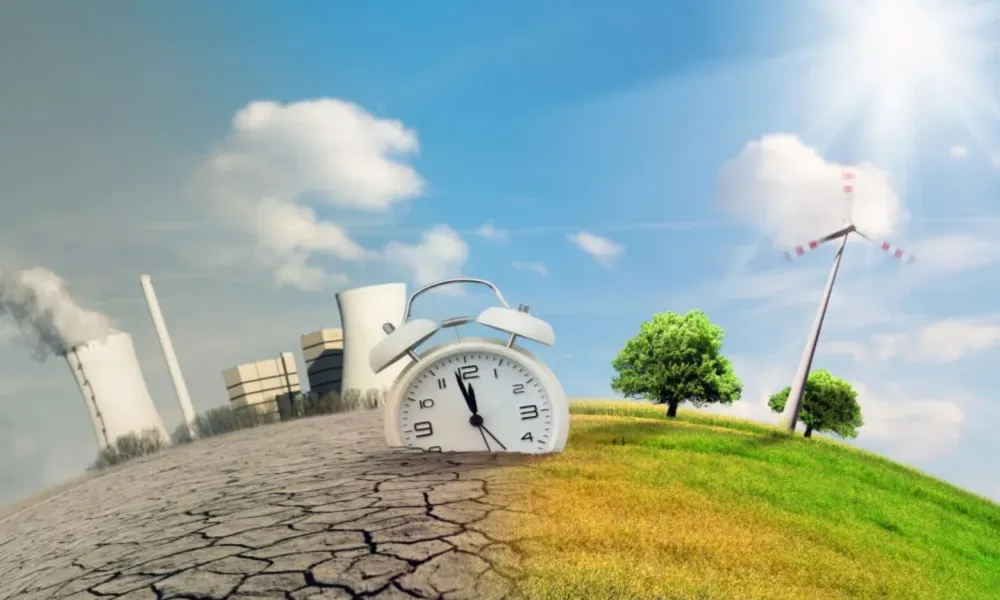

Recent weather patterns across the continent already point to growing instability. Record spring temperatures have been reported, alongside sharp swings between heat and storms in southern Europe.
Strong event increasingly likely
According to the latest WMO El Niño update, there is an 80% probability that El Niño conditions will develop between June and August, rising to around 90% for persistence through at least November.
The UN weather agency expects the episode to be at least moderate, possibly strong, warning it could intensify droughts, heavy rainfall and heatwaves across large parts of the world.
UN Secretary-General António Guterres described the developing phenomenon as an "urgent climate warning," stating that it will "pour fuel on the fire of a warming world."
A natural phenomenon with global impact
El Niño is the warm phase of the El Niño–Southern Oscillation (ENSO), a natural climate cycle in the tropical Pacific that disrupts global weather patterns
It occurs when ocean surface temperatures in the central and eastern Pacific rise above normal, altering winds, rainfall and atmospheric circulation worldwide.
These shifts can produce opposite extremes in different regions – bringing heavy rainfall and flooding to some areas while causing drought and heat in others.
Why this one matters more
Even though El Niño is a natural cycle, scientists stress that it can amplify climate change impacts.
According to the WMO, warmer oceans and atmosphere increase the energy available for extreme weather, leading to stronger heatwaves and heavier rainfall events.
This combination raises the risk that global temperatures could climb significantly, potentially challenging recent records in the coming years.
Effects beyond the Pacific
El Niño’s influence can extend far beyond the ocean where it forms. It affects agriculture, water resources, trade and energy systems worldwide, as weather patterns shift.
In Europe, its effects are less predictable but can still be significant. It may increase the likelihood of heatwaves, droughts and sudden heavy rainfall, especially in already vulnerable southern regions.
A global warning
Scientists emphasise that El Niño does not cause climate change but intensifies its consequences.
‘Impacts will hit even harder, travel even farther and cross borders with devastating speed,’ Guterres warned, calling for faster climate action and stronger early warning systems worldwide.