Reports in Turkish media about a possible UN-linked framework for the Cyprus issue have drawn sharp criticism from opposition newspapers in Turkey, with commentators warning against any arrangement that would involve territorial concessions or limit Ankara’s role as a guarantor power.
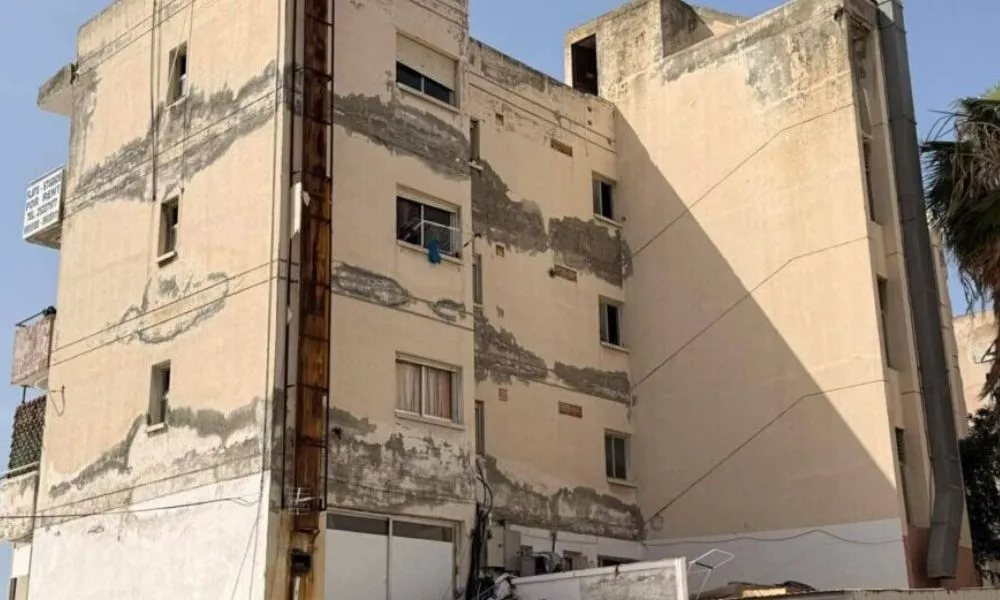
The reports focus on claims that the plan would involve the return of Varosha, Morphou and parts of Mesaoria, the withdrawal of Turkish troops, and the abolition or weakening of Turkey’s guarantees. The claims have not been officially confirmed.
In the nationalist newspaper Yeniçağ, columnist Hüseyin Macit Yusuf, who is of Turkish Cypriot origin, described the reported framework as a “dangerous political plot” against the sovereignty, territory and security of Turkish Cypriots. Writing under the headline “Our sovereignty is not for sale”, he argued that, if the reports are accurate, UN Secretary-General’s Personal Envoy María Ángela Holguín has gone beyond the UN’s good offices mandate by allegedly putting forward proposals on state structure, territorial arrangements and the sharing of sovereignty.
Yeniçağ also rejected the idea of territorial concessions in exchange for any form of international upgrading of the Turkish Cypriot side. The paper said a two-state solution based on sovereign equality and equal international status is now the official policy of Turkey and the Turkish Cypriot leadership.
The pro-European economic newspaper NB Ekonomim placed the reported Cyprus plan within a wider regional realignment stretching from the Eastern Mediterranean to the Balkans. Columnist Zeynep Gürcanlı argued that Turkey’s rapprochement with Egypt over Libya, new proposals on Cyprus and Israel’s moves in the Balkans form part of a new regional architecture centred on Washington.
According to Gürcanlı, the reported framework would offer political and economic benefits to Turkish Cypriots, including direct trade and flights, in return for territorial concessions and the replacement of Turkey’s guarantor role with a new security arrangement involving NATO.
She warned that such a development could sideline Ankara in the Eastern Mediterranean, arguing that Varosha, Morphou and Mesaoria are of strategic importance for Turkey’s defence, energy and geopolitical planning.
The common thread in both commentaries is the view that the reported plan is not simply a proposal for the settlement of the Cyprus issue, but part of a broader attempt to reduce Turkish influence in the Eastern Mediterranean.
Source: CNA