The United States and Iran have reached a preliminary agreement to immediately end the war in the Middle East across all fronts, including Lebanon, Pakistan announced early today, acting in a key mediating role. Both Washington and Tehran confirmed the development soon after.
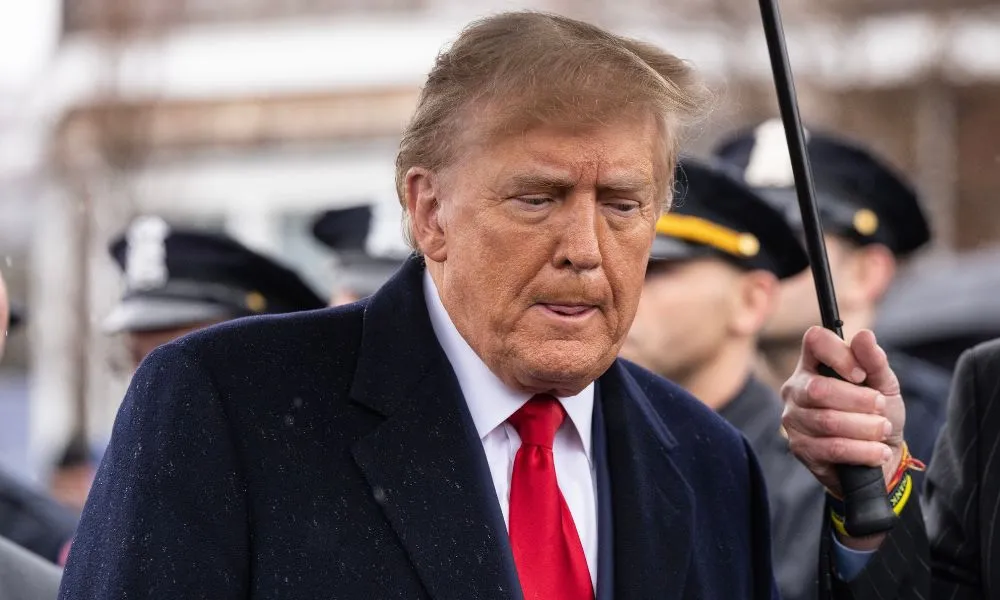
US President Donald Trump said on Truth Social that “the deal with the Islamic Republic of Iran is now complete,” shortly after Pakistan’s Prime Minister Shehbaz Sharif declared that an agreement had been achieved.
“I approve the full reopening of the Strait of Hormuz without transit fees and, at the same time, the immediate lifting of the US naval blockade. Ships of all nations, start your engines. Let the oil flow,” Trump said, later clarifying that the strategic waterway will reopen “once the agreement is signed,” expected on Friday, 19 June, to allow time for the removal of naval mines.
The announcement triggered a drop in oil prices, which had surged since the conflict began in late February and the closure of the Strait of Hormuz, through which roughly one-fifth of global hydrocarbon supply normally passes.
Iran’s Deputy Foreign Minister Kazem Gharibabadi said the agreement provides for “the immediate end of war and military operations on all fronts”, while noting that negotiations toward a final deal will begin within 60 days. He added that Tehran still approaches the US with “distrust.”
According to Iranian state media and the Mehr news agency, the 14-point memorandum of understanding includes provisions such as the release of $24bn in frozen Iranian assets, half of which would be made available before negotiations begin. However, the document has not been officially confirmed.
The signing ceremony is expected to take place on 19 June in Geneva. US Vice President JD Vance confirmed he intends to attend, while Trump’s presence remains possible.
UN Secretary-General António Guterres welcomed the agreement as a “critical step towards a peaceful resolution of the conflict.”
At the same time, Iran’s military leadership hailed the outcome as a victory, claiming the country had imposed its will on its adversaries.
Shortly before the agreement was announced, Iran had warned of imminent retaliation following an Israeli strike in Beirut that killed three people in a Hezbollah stronghold.
Trump had earlier criticised the Israeli strike, describing it as ill-timed and expressing frustration towards Prime Minister Benjamin Netanyahu. Israel, for its part, said it had responded to a Hezbollah drone attack.
Facing pressure at home to end an unpopular war, Trump is expected to discuss the agreement with G7 leaders later this week at a summit in Evian, France.
French President Emmanuel Macron said discussions would focus on the aftermath of the agreement, support for Lebanon, the reopening of Hormuz and future arrangements regarding Iran’s nuclear and missile programmes.
In a joint statement, Britain, France, Germany and Italy said they were ready to consider lifting certain sanctions in exchange for “clear and verifiable measures” by Iran regarding its nuclear programme.
International Reactions
United Nations
The UN welcomed the agreement as a crucial step towards peace and thanked mediating countries, particularly Pakistan.
France
President Macron stressed the need to address the broader consequences of the agreement, including energy security and reducing dependency on the region.
United Kingdom
Prime Minister Keir Starmer praised the deal and urged full implementation to ensure the sustained reopening of Hormuz.
Turkey
President Recep Tayyip Erdoğan called for restraint and vigilance against any actions that could undermine the agreement before its formal signing.
Qatar
Doha expressed full support for efforts aimed at strengthening regional stability.
Japan
Prime Minister Sanae Takaichi highlighted the importance of ensuring safe navigation in Hormuz and reaching a final nuclear agreement swiftly.
Australia
Officials stressed the importance of continued restraint and dialogue, while urging Iran to address concerns over its nuclear programme.
New Zealand
Prime Minister Christopher Luxon welcomed the reopening of Hormuz, noting its importance for trade routes and energy flows.