

Iranian and US technical teams working on the implementation of an interim peace deal are expected to meet in Doha in the coming days, a source told Reuters on Monday, after tit-for-tat weekend strikes threatened to derail the fragile accord. Mediators have established communications channels to de-escalate any incidents, the source, who has knowledge of the discussions, added.
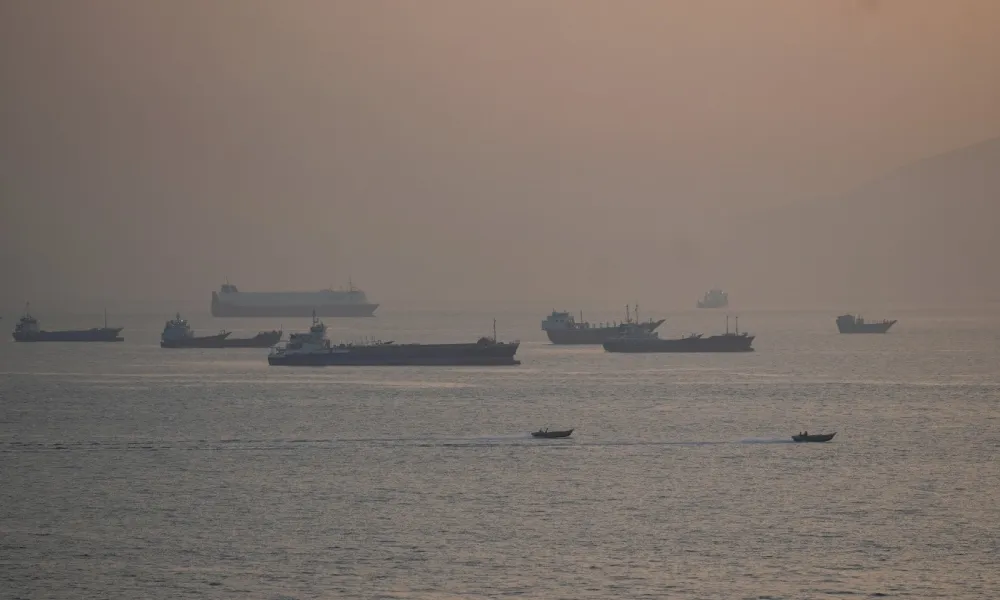
The development comes after both sides traded fire near the Strait of Hormuz over several days. Iran launched missiles and drones at US military sites in Kuwait and Bahrain early on Sunday, shortly after President Donald Trump issued a stark warning on social media. "There may come a point when we are no longer able to be reasonable, and will be forced to militarily complete the job that we very successfully started," Trump wrote, adding that "the Islamic Republic of Iran will no longer exist" if that moment arrived. Kuwait's army said it intercepted two ballistic missiles with no damage or casualties, while Bahrain reported that an Iranian attack damaged a residential building and urged the UN Security Council to hold an urgent session to hold Tehran accountable.
A US official told Reuters on Sunday that both sides had agreed to halt hostilities. "Technical talks are slated to continue on all areas of the MoU. Both sides will stand down for now and vessels can move freely," the official said. Iran's Deputy Foreign Minister Kazem Gharibabadi, however, told Tasnim news agency on Monday that technical working group meetings were not scheduled for this week and that talks in Qatar had not been confirmed, though consultations with Doha on implementing commitments were continuing as usual.
The US and Iran signed a 14-point memorandum of understanding on 17 June, aimed at ending four months of conflict, under which both sides agreed to cease hostilities and reopen the Strait of Hormuz. The waterway normally carries roughly a fifth of the world's oil and liquefied natural gas. Its closure sent oil prices soaring above $100 a barrel, triggering a spike in global inflation and creating political pressure on Trump ahead of midterm elections. The accord also opened a 60-day window for deeper negotiations on issues including Iran's nuclear programme, though the two sides have given conflicting accounts of what was agreed.
Iranian President Masoud Pezeshkian said on Monday that $6 billion of $12 billion in assets frozen in Qatar would be released and returned to Iran following the accord, according to Iranian state media. He added that the agreement had lifted sanctions on Iran's oil and petrochemical sectors, describing it as "a great victory for the Iranian people." Oil prices steadied at around $72 a barrel for Brent crude on Monday on news of a return to diplomacy, though analysts at ING cautioned that the calm was misplaced given the risks still facing the market.
In Lebanon, Parliament Speaker Nabih Berri, a key ally of Iran-backed Hezbollah, attacked a separate US-brokered agreement between Lebanon and Israel on Monday, warning it could lead to attempts to divide the country and saying it would not be implemented. Tehran has said a full Israeli withdrawal from southern Lebanon must form part of any final deal with Washington. The latest round of conflict in Lebanon began after Hezbollah struck Israel in what it described as support for Iran. Israel said on Sunday it had struck Hezbollah, destroying underground infrastructure, a day after a fresh ceasefire agreement with Lebanon had been announced.