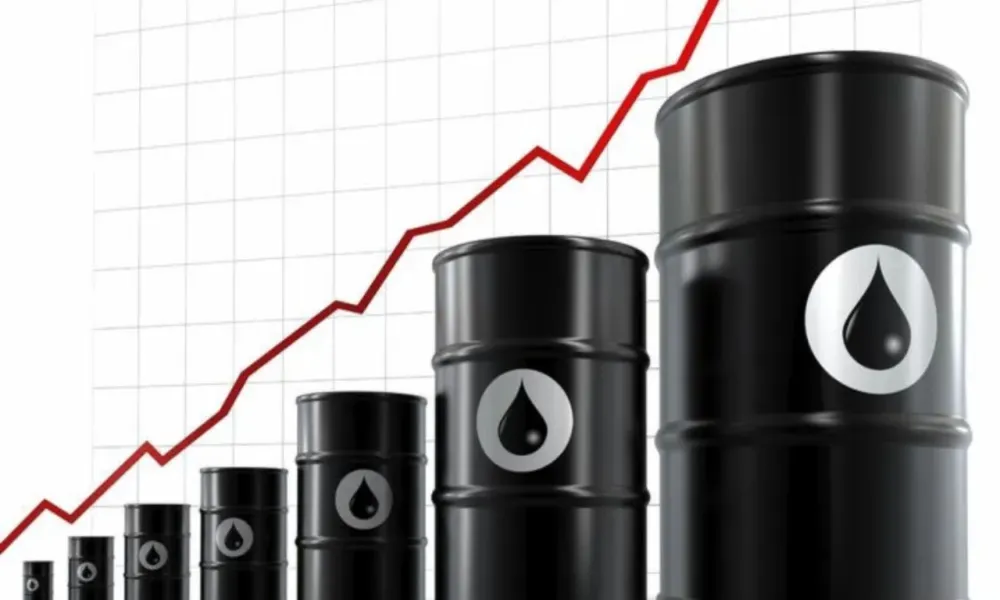

When the war began on Feb. 28, gasoline cost approximately TL58.32 per litre and diesel TL60.35. By Sept. 17, diesel had crossed TL100 in Istanbul for the first time, while reaching approximately TL101.50 in Ankara and TL101.80 in İzmir. Gasoline remained lower, at around TL80, but was still almost 40 percent more expensive than at the beginning of the conflict.
A subsequent TL4.09 reduction pulled diesel back below the psychologically important TL100 threshold. Current prices stand at approximately TL96.40 in Istanbul, TL97.50 in Ankara and TL97.80 in İzmir. The retreat changed the filling-station signs but not the underlying economic reality. Diesel remains almost 60 percent more expensive than on Feb. 28, while transport companies calculate their charges according to accumulated costs and continuing risk, not a single overnight reduction.
From Hatay’s fields to Istanbul’s markets
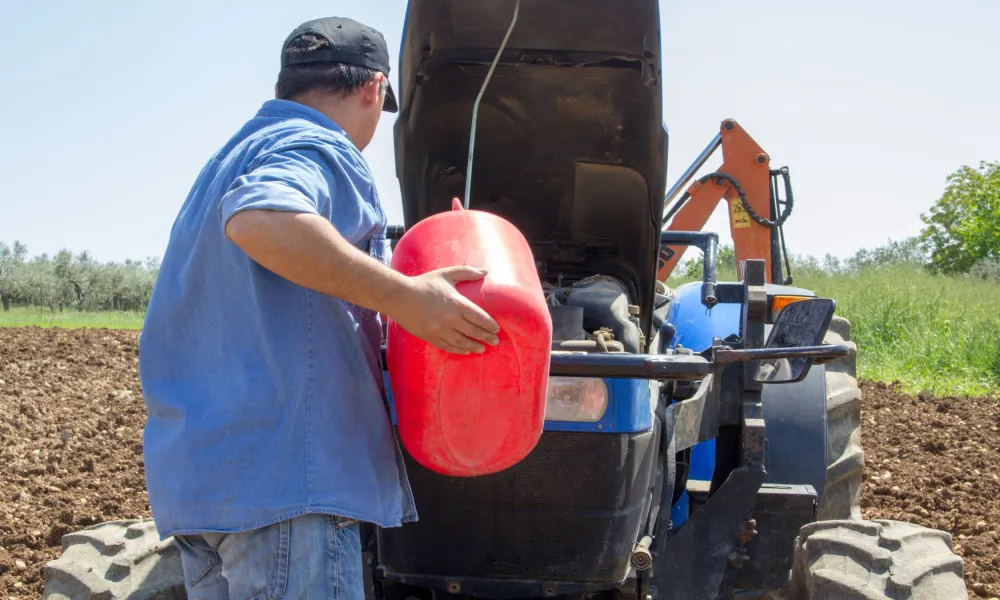
Diesel powers tractors, irrigation systems, harvesting equipment, refrigerated vehicles and wholesale distribution. Its cost therefore enters the price of fruit and vegetables several times before the produce reaches the consumer.
CHP Hatay deputy Nermin Yıldırım Kara calculated that the combined fuel, motorway and bridge cost of transporting produce from Hatay to Istanbul increased from TL3,949 in 2021 to TL39,719 in 2026. The latest diesel increase alone added approximately TL3,000 to the fuel bill of a single journey overnight.
Kara argued that the government could no longer explain food inflation solely through accusations of profiteering. A farmer who could purchase 27 litres of diesel by selling 16 kilograms of grapes in 2021 can now buy only 10 litres with the same quantity. Higher transport costs are consequently eroding producers’ purchasing power while simultaneously raising wholesale and retail prices.
The war premium becomes structural
The conflict is not a distant external event for Türkiye. It is centred on neighbouring Iran and directly affects the Strait of Hormuz, Gulf refineries, Red Sea shipping and Türkiye’s eastern trade routes.
The initial impact came through crude oil. The more persistent pressure is now coming from shortages of diesel and other refined fuels. Damaged Gulf refineries, attacks on Russian energy infrastructure and reduced exports have tightened international supply. Gulf and Russian diesel exports in August were reportedly 1.6 million barrels per day lower than in February. Diesel has consequently risen much faster than crude oil itself.
The government attempted to contain the shock by eliminating diesel’s special consumption tax in August, reducing the pump price by approximately TL9.29 when the VAT effect was included. However, diesel was subsequently removed from the mobile tax-adjustment mechanism and placed on a predetermined tax path. The tax returned at TL3 per litre in September and is scheduled to rise to TL6 in October, TL9 in November and TL12 in December. Part of the temporary relief will therefore be withdrawn even if the regional conflict continues.
Neither farmer nor consumer benefits
Union of Turkiye’s Agricultural Chambers Chairman Şemsi Bayraktar reported that lemons were sold in supermarkets at 8.5 times their producer price in August. Carrots and apples cost consumers approximately 4.8 times what farmers received. Transport, packaging, spoilage, commissions and retail overheads explain part of the difference, but not all of it.
This distinction matters because the government emphasises investigations into manipulation and excessive margins, while producer organisations and opposition politicians focus on fuel, agricultural inputs and distribution costs. Both sides identify genuine components of the problem, but neither explanation is sufficient by itself.
Economist Hakkı Hakan Yılmaz estimates that fuel increases could contribute 1.69 percentage points directly to January-September inflation, with the wider effect reaching 7.6 points through secondary pricing. He proposes eliminating fuel excise tax until year-end, lowering VAT on fuel used in agriculture and industry, supporting energy-intensive businesses and expanding food assistance for low-income households.
The issue is no longer whether the war will eventually increase food prices. It has been doing so since February. The brief crossing of the TL100 diesel threshold merely revealed how deeply the war premium has already become embedded in Türkiye’s fields, freight charges and market stalls.