


A 36-year-old Turkish national has been arrested in Larnaca after police checks revealed he was residing illegally in the Republic of Cyprus.
The arrest took place on 7 April at around 15:45 during a routine identity check carried out by police officers. Authorities confirmed that the man was in the country unlawfully and proceeded with his immediate arrest.
Detention and deportation orders were subsequently issued. He remains in custody pending the completion of repatriation procedures.
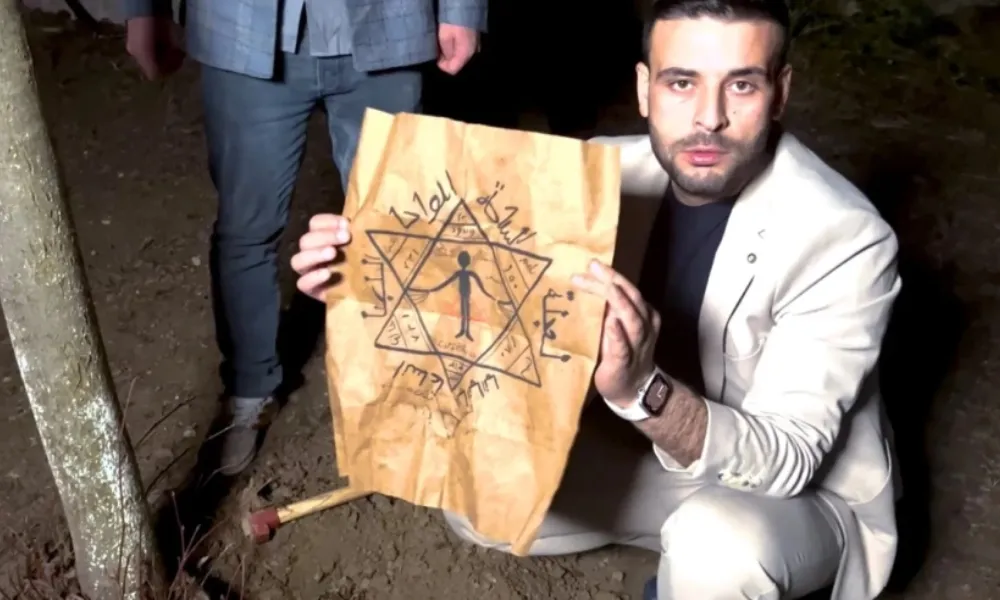
According to information obtained by Politis, the suspect’s details match those of Hakan Erkan, a man reportedly wanted by Turkish authorities in connection with multiple cases involving fraud, threats and abusive conduct.
Reports indicate that Erkan is linked to an alleged scam operation in which he promised clients spiritual services or so-called “metaphysical solutions” in exchange for money. He is said to have presented himself as a “religious scholar” and “metaphysics expert”, maintaining websites and social media accounts promoting rituals and spiritual practices.
Turkish and Turkish Cypriot media have also reported that Erkan previously moved irregularly between the occupied areas and the government-controlled areas of Cyprus. Some accounts suggest he had fled to the north in an attempt to evade detection.
Authorities in Cyprus have not confirmed further details regarding any ongoing coordination with Turkish officials.