
Confusion surrounding the delivery of fines issued through Cyprus' traffic camera system has now reached parliament, with lawmakers questioning whether the current practice is properly supported by existing legislation.
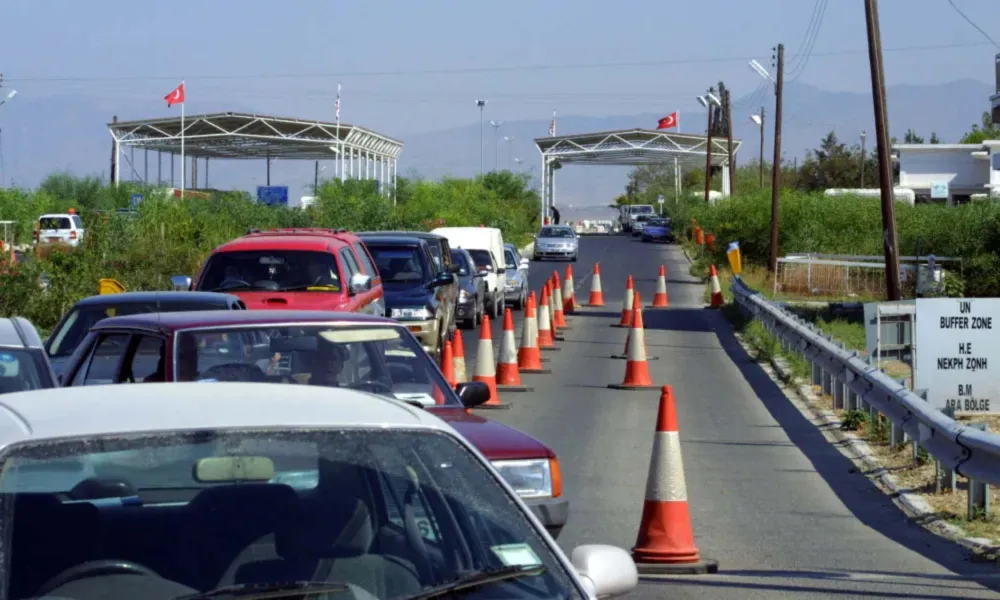
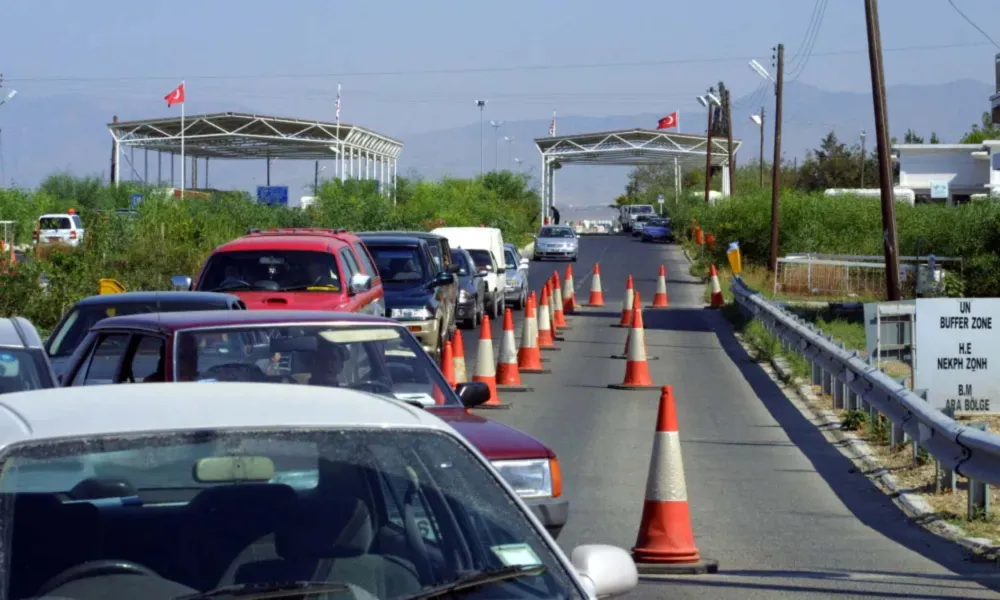
The issue was discussed by the House Legal Affairs Committee following a proposal by AKEL MPs Aristos Damianou and Andreas Pasiourtides, who raised complaints from members of the public about fines being served at crossing points and airports.
The two MPs argued that such a practice is not explicitly covered by current legislation and sought clarification on the legal basis for the procedure.
Complaints from travellers
According to the MPs, named complaints have been received from individuals who were stopped during identity or passport checks at airports and crossing points and were informed that outstanding camera fines had not yet been served on them.
In those cases, the fines were allegedly served on the spot by police officers following the checks.
Other members of the committee also sought explanations regarding the procedures used to serve camera-related notices.
Police defend practice at crossing points
Traffic Department director Charis Evripidou told the committee that serving fines at crossing points is not prohibited.
Regarding airports and ports, he explained that the automated passport identification and control system does not have the capability to detect outstanding, undelivered fines.
According to Evripidou, the system can identify matters such as arrest warrants, but not unserved camera fines.
Responding to AKEL MPs' claims that motorists had nevertheless been identified and served at airports, he said that if such incidents had occurred, they would constitute an error and the police would investigate the matter further.
Legal framework remains disputed
The committee discussion ended without a definitive conclusion on the legal framework governing the service of camera fines.
Committee members were informed that the matter will be examined further at a future session.
Among several MPs, there remains a view that the current method of serving fines does not fully reflect the provisions of the relevant legislation.
Legal Service backs authorities
The Justice Ministry, Transport Ministry and Police have all relied on a legal opinion issued by the Legal Service, which maintains that fines can be served anywhere within the Republic.
The opinion, submitted to parliament on Wednesday, states that: "No restriction is identified regarding the ability of a police officer to serve fixed-penalty notices at crossing points."
The Legal Service further argues that, under the relevant provisions of Cypriot law, written notices or summonses may be served anywhere within the Republic either by a police officer or by a person authorised in writing by the competent official to perform such duties.
According to the opinion, there is also no restriction limiting the service of notices to Greek Cypriots or to residents of the Republic.
No constitutional violation, says Legal Service
The Legal Service's position is that serving fixed-penalty notices at crossing points does not violate constitutional rights and does not breach the principle of proportionality.
However, it emphasises that any procedure adopted must comply with legislation governing the protection of personal data.
The opinion notes that a data protection impact assessment already exists for the operation of the traffic camera system and that it will be updated to cover the new photo radar list application.
The Legal Service concludes that the practice is lawful provided all personal data protection requirements are met and the impact assessment is appropriately updated.