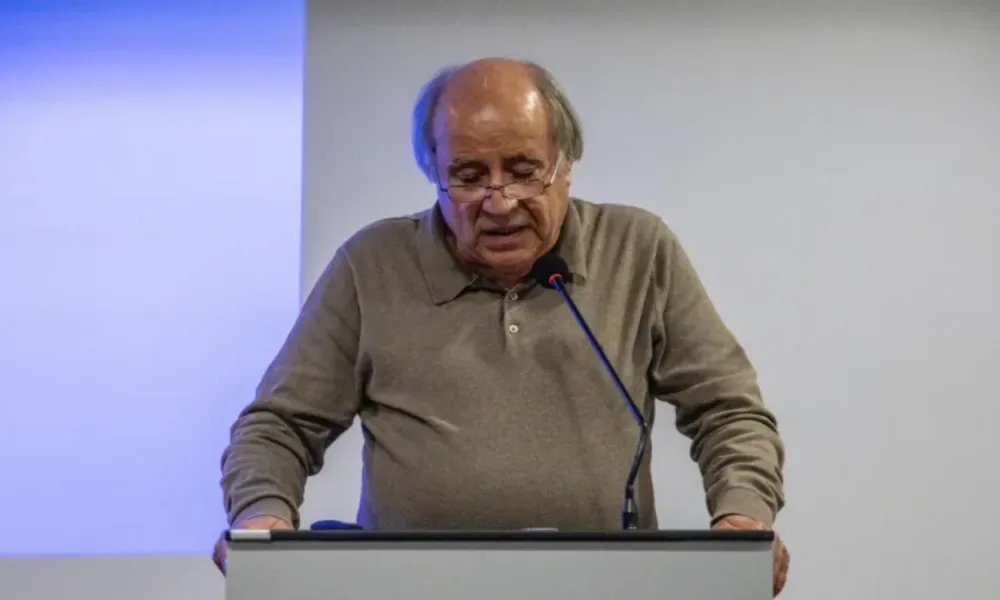

Criminal investigator Andreas Paschalides responded on Thursday to criticism and public statements that followed the delivery of his findings in the Videogate case, saying his conclusions had been distorted for political purposes. He repeated that he had recommended to the attorney-general that criminal proceedings be brought against politically exposed and non-exposed individuals over offences under the Council of Europe's Criminal Law Convention on Corruption.
Paschalides said he had chosen to speak out after concluding that his findings were being deliberately misrepresented to serve political ends and that his own integrity had been impugned, adding that he had not intended to make any public statement. He clarified that his mandate was strictly that of a criminal investigator, with defined terms of reference, rather than that of a commission of inquiry, arguing that some critics had failed to recognise this distinction, whether out of ignorance, confusion or deliberate intent.
On the decision not to publish his findings in full, Paschalides said he would have no objection to their release once all investigations were complete, but warned that publishing them now could undermine the presumption of innocence should criminal proceedings follow. He also rejected criticism that he had failed to examine the political or ethical dimensions of the case, saying this fell outside his mandate as criminal investigator.
On the timing of his report, delivered on 20 July, he said the date was set by the terms of his mandate, which expired that day, and that any delay would have meant an unjustified extension of an investigation that had already been completed. While his findings concluded that no provisions of the criminal code had been breached, Paschalides said his assessment of the evidence and relevant case law had led him to conclude that politically exposed and non-exposed individuals had breached Cyprus's law ratifying the Council of Europe's Criminal Law Convention on Corruption.
Paschalides also rejected suggestions that his appointment as president of the Independent Authority for the Investigation of Allegations and Complaints against the Police (AADIPA) was the result of a deal with the president of the republic, saying he does not know the president personally and received nothing in exchange, and that the appointment followed the attorney-general's recommendation as required by law.
He said his statement was issued to set the record straight and protect his dignity and reputation, adding that he had carried out his duties "without fear, favour or prejudice." He closed with a challenge to his critics: "If anyone disputes this, let them speak now, or else remain silent."
Source: CNA