
Europe’s ability to retain and process used batteries could determine whether it reduces its dependence on China or simply exports one of its most valuable sources of critical raw materials.
China remains dominant across almost every stage of the battery supply chain. In 2025, it accounted for more than 80% of global battery cell production, around 85% of cathode active material and more than 90% of anode active material. It also hosts more than 85% of the world’s battery material recovery capacity, according to the International Energy Agency.
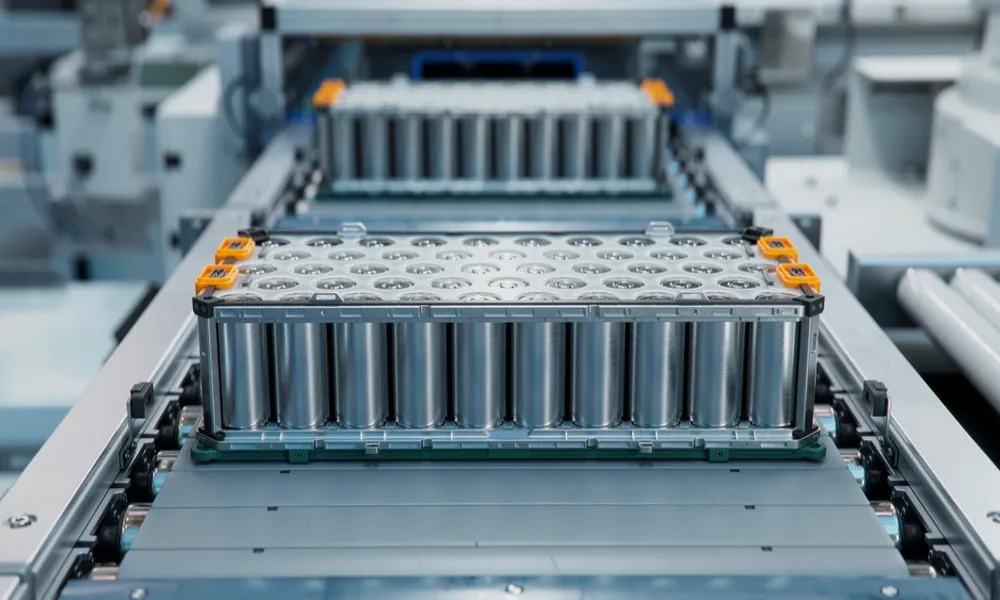
Europe has invested in plants that collect and dismantle batteries, producing what is known as black mass, a concentrated mixture containing lithium, nickel, cobalt and other valuable materials. However, part of this material is still exported to Asia because Europe lacks sufficient refining capacity and faces higher processing and energy costs.
This means that European companies often carry out the initial, lower-value stage of recycling, while the final recovery and refining of battery-grade materials takes place elsewhere. The recovered metals can then return to Europe as imported battery components.
The European Commission has attempted to close this gap by classifying black mass and several categories of lithium-based battery waste as hazardous. The change introduces tighter controls on shipments and prevents exports to non-OECD countries, although material can still be sent to major processing markets elsewhere in Asia.
Transport and Environment, a Brussels-based clean transport campaign group, argues that Europe is missing a major industrial opportunity. It estimates that expanding European recycling capacity could reduce lithium imports by more than 80,000 tonnes by 2035, enough to supply batteries for around 2.5 million electric vehicles.
Yet more than half of Europe’s planned battery recycling capacity is considered at risk, according to the organisation. Recyclers face shortages of suitable material, financial pressure and weak demand from Europe’s underdeveloped battery-component industry.
Building recycling plants alone will therefore not be enough. Europe also needs facilities capable of converting recovered metals into cathode precursors and active materials that can be used in new batteries. Without this middle section of the supply chain, European recyclers may struggle to find customers close to home.
Recycling will not immediately eliminate Europe’s dependence on imported minerals. Most electric vehicle batteries installed in recent years will remain in use until the mid-2030s, creating a delay of roughly 15 years between battery production and the availability of large volumes for recycling.
Nevertheless, the material already circulating through Europe represents a strategic resource. Keeping it within the continent, expanding refining capacity and strengthening demand for recycled materials could help Europe recover more value from its waste and gradually reduce its exposure to China’s battery supply chain.
Source: AMNA