
The Department of Labour Inspection has called for stricter prevention and monitoring measures against Legionella bacteria during the summer, when higher temperatures and increased use of cooling and water systems can raise the risk of contamination.
Poorly maintained installations that produce fine water droplets may create conditions that allow the bacteria to grow and spread, the department said.
How Legionella spreads
Legionella develops in artificial water systems and can cause Legionnaires’ disease, a serious form of pneumonia.
The bacteria can multiply where water remains stagnant, temperatures are not properly controlled or pipes and equipment are inadequately maintained. Infection occurs by inhaling very small contaminated water droplets, known as aerosols.
The department clarified that the disease is not generally transmitted between people or through drinking water.
Premises facing higher risks
Greater attention is required in buildings with extensive water networks or equipment that produces aerosols, including:
- hospitals, clinics, rehabilitation centres and elderly care facilities;
- hotels, tourist accommodation and other hospitality premises;
- hot and cold water systems in large residential buildings;
- water storage tanks;
- showers and taps that are rarely used;
- whirlpools, spas, jacuzzis and other wellness facilities;
- cooling towers and central air-conditioning systems;
- decorative fountains and similar aerosol-producing installations.
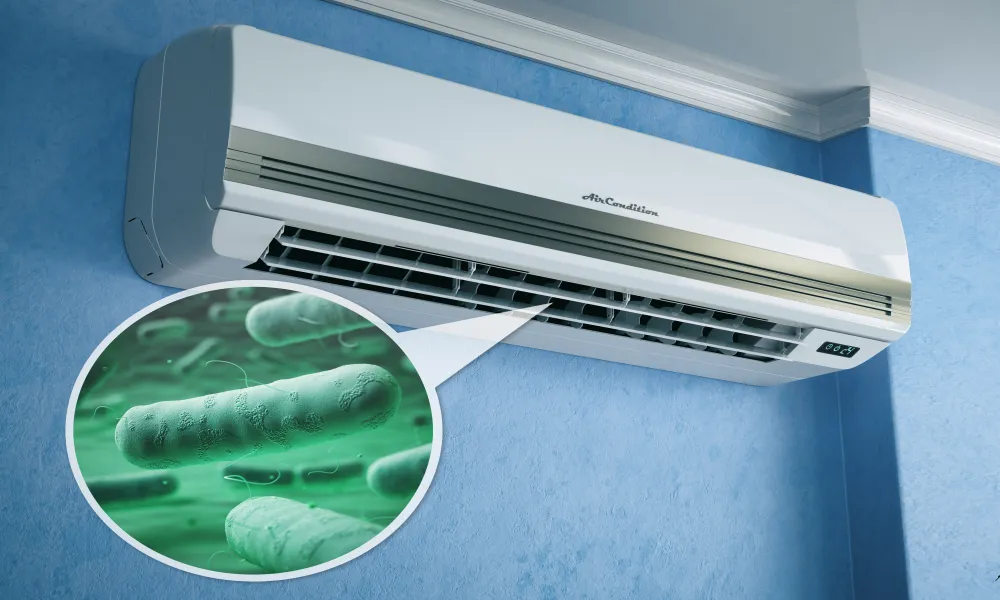
Domestic split-unit air conditioners are not normally considered a source of Legionella because they do not use stored water, the department said.
Responsibilities of employers and managers
Employers and managers of hotels, healthcare facilities and other premises are required to implement comprehensive programmes for the prevention, monitoring and maintenance of water systems.
Measures should include:
- appointing a responsible person to manage the Legionella risk;
- preparing and regularly reviewing a written risk assessment;
- keeping hot water above 50°C and cold water below 25°C;
- regularly flushing taps, showers and pipes that remain unused;
- cleaning and disinfecting tanks, pipes, cooling towers and other equipment;
- maintaining and disinfecting whirlpools and wellness facilities;
- carrying out sampling and laboratory testing where required;
- keeping records of inspections, disinfection procedures and test results.
Enhanced monitoring in healthcare facilities
Hospitals, clinics and elderly care units should apply stricter monitoring and control procedures because patients, older people and other vulnerable groups may suffer more serious effects if exposed to the bacteria.
Compliance with safety legislation
The Department of Labour Inspection stressed that managing the risk of Legionella growth and transmission is a fundamental obligation under occupational safety and health legislation.
Those responsible for premises must ensure that water systems are systematically inspected and maintained in accordance with legal requirements, official guidance and recognised risk-management practices.