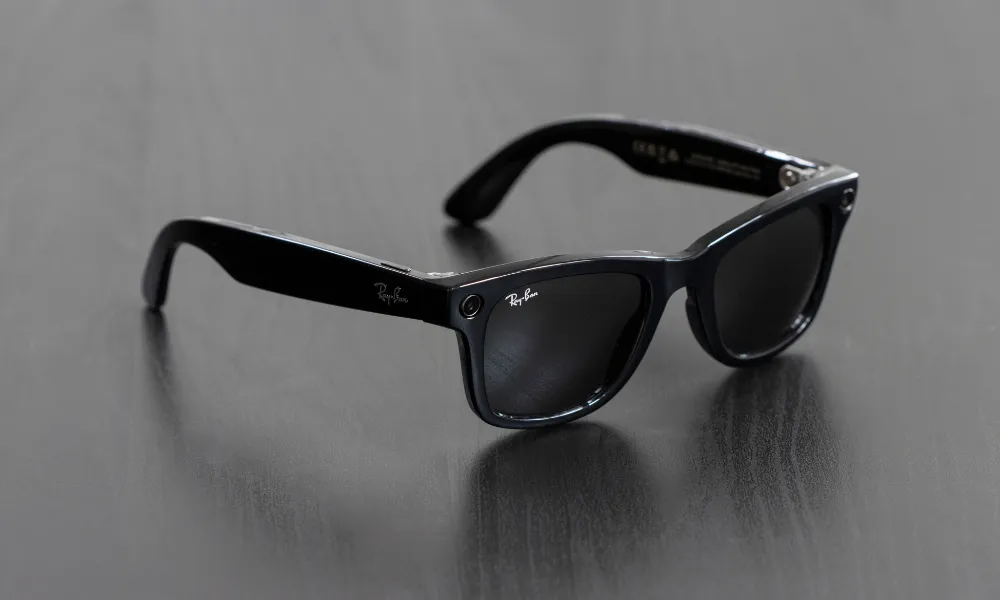

Europe is moving towards a new privacy battle as smart glasses become more common, with lawmakers and regulators questioning whether camera-equipped eyewear can be squared with EU data protection rules.
The devices, which place cameras and AI features inside ordinary-looking spectacles, are raising concerns because people nearby may not know they are being filmed, let alone be able to object to how their image or voice is used. Privacy campaigners argue that the technology tests one of the core assumptions of Europe’s privacy regime: that consent must be meaningful.
A test for consent
The debate intensified after Swedish media reported that subcontractors working for Meta in Kenya had reviewed highly sensitive footage captured by the company’s smart glasses to help annotate material for AI training. The recordings reportedly included bathroom visits, banking details and intimate moments.
Renew Europe MEP Veronika Cifrová Ostrihoňová has warned that the spread of the technology requires a faster political response, particularly because of the risk of women being secretly filmed in public and the images later shared online. Her group has asked the European Commission what action can be taken at EU level.
Regulators step in
Regulators are also stepping up their work. Sweden’s data protection authority has called for a wider public discussion on whether society is prepared to accept such discreet recording devices, while the European Data Protection Board has commissioned a report on the social acceptability of smart glasses, expected this summer.
Meta says its glasses include privacy safeguards, including an LED light that switches on when a user takes a photo or video, as well as technology designed to stop people covering the light. The company says captured media remains on the device unless users choose to share it with Meta.
Those assurances have not ended the pressure. France’s privacy regulator, CNIL, warned in May that smart glasses could normalise a form of surveillance that is almost invisible and widespread, with potentially serious consequences for society. Lawmakers in Brussels have also asked whether Meta’s products and AI training practices comply with EU privacy law.
A wider tech clash
The issue could become another flashpoint between Europe and the United States over technology regulation. US officials have criticised EU rules as too restrictive for American tech firms, while Meta’s smart glasses are seen as one of the company’s most important consumer products. The technology also faces a separate obstacle from the EU Batteries Regulation, which will require mobile devices to have removable batteries by 2027.
Meta is not alone in pushing into the sector. Samsung and Google are working on intelligent eyewear, while Apple is reportedly preparing its own smart glasses for possible release by the end of 2027. That makes the regulatory question more urgent: whether Europe acts before the devices become a routine part of public life.
Legal pressure builds
Legal pressure is already building. Meta faces a consumer class action in the United States over claims that it marketed the glasses around privacy and user control while allegedly failing to protect people from surveillance risks. Lawyers involved in the case are also looking for European consumers, raising the prospect of similar action in the EU.
For regulators, the challenge is now clear. Smart glasses do not simply add another camera to daily life. They make recording harder to detect, harder to challenge and potentially harder to regulate once the technology becomes normal.
With information from Politico