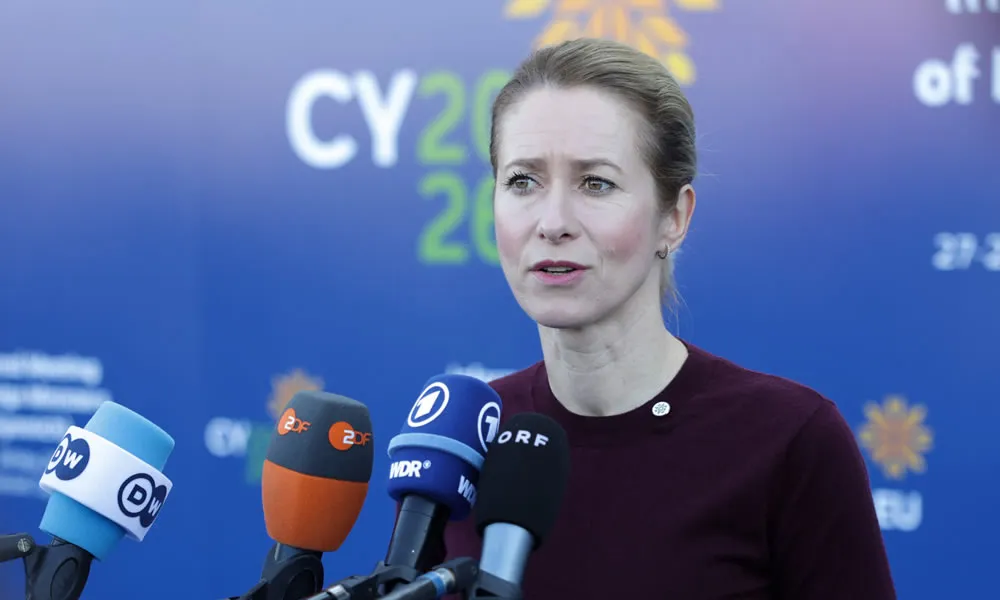



The European Union is preparing what its foreign policy chief has called the most far-reaching sanctions package against Russia since the war began, with Kaja Kallas telling the German newspaper Die Welt that the listings due this autumn would raise the total number of sanctioned Russian entities and individuals by a third. "The pressure must keep growing until Moscow ends its war," Kallas said, adding that the Kremlin had "already paid a high price" for existing measures, which she put at more than €1 trillion in damage to Russia's war economy.
The planned package would be the 22nd since Russia's full-scale invasion of Ukraine began in 2022. The 21st, approved on 23 July, added sanctions on 170 legal entities and 48 individuals and targeted Russia's energy sector, financial services and cryptocurrency networks. In total, more than 3,000 individuals and entities have now been sanctioned by the bloc, with more than €28 billion in private assets frozen within the EU. Any new listing requires the unanimous approval of all 27 member states.
A harder line after a harsher summer
The shift toward tougher language follows months of escalating Russian strikes on Ukrainian cities and energy infrastructure. EU leaders, meeting in June, condemned what they described as a serious escalation by Moscow, including large-scale missile and drone attacks on civilians, and reaffirmed the bloc's readiness to deepen its engagement in support of Ukraine. Kyiv has, meanwhile, expanded its own long-range strike campaign deep into Russian territory over the summer, targeting refineries, railway junctions and military logistics, while Russian forces have struggled to advance along the front line despite continuing heavy casualties.
The 21st package was nearly derailed by Greece, which had insisted on a special exemption from an EU-wide ban on Russian liquefied natural gas shipments as a precondition for its approval. Athens ultimately secured the exemption, over the objections of other member states, in a episode that raised questions in Brussels over how far national economic interests can be allowed to blunt the bloc's collective pressure on Moscow. Kallas gave no further detail on the scope or timing of the autumn package beyond the headline figures.
Washington moves in parallel
The EU's push coincides with a hardening of the US position. The Senate voted 86 to 11 last week to pass a long-stalled Russia sanctions bill, named in honour of the late Senator Lindsey Graham, who died last month, that would let President Donald Trump impose tariffs of up to 100% on countries that remain among the top buyers of Russian oil and gas, chiefly China and India. The bill, which also extends sanctions on Iran, still needs approval in the House, which is on recess until September. Kallas said she was hopeful the US and the EU could "move closer" on sanctions policy, a notable comment given the anxiety in Brussels since Trump's re-election over the durability of American financial and military support for Kyiv.
Sources: Reuters, Euronews, Council of the European Union