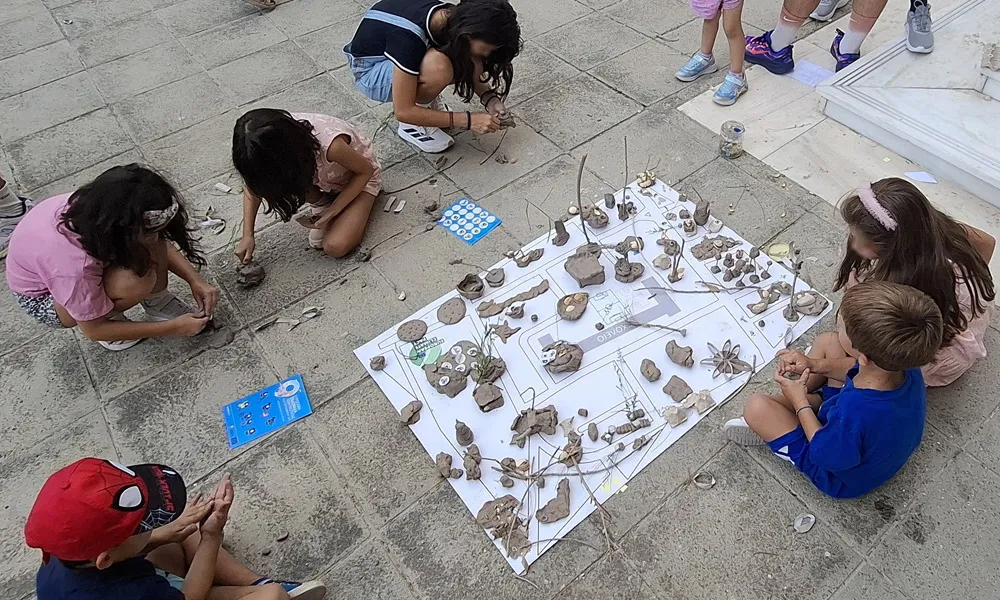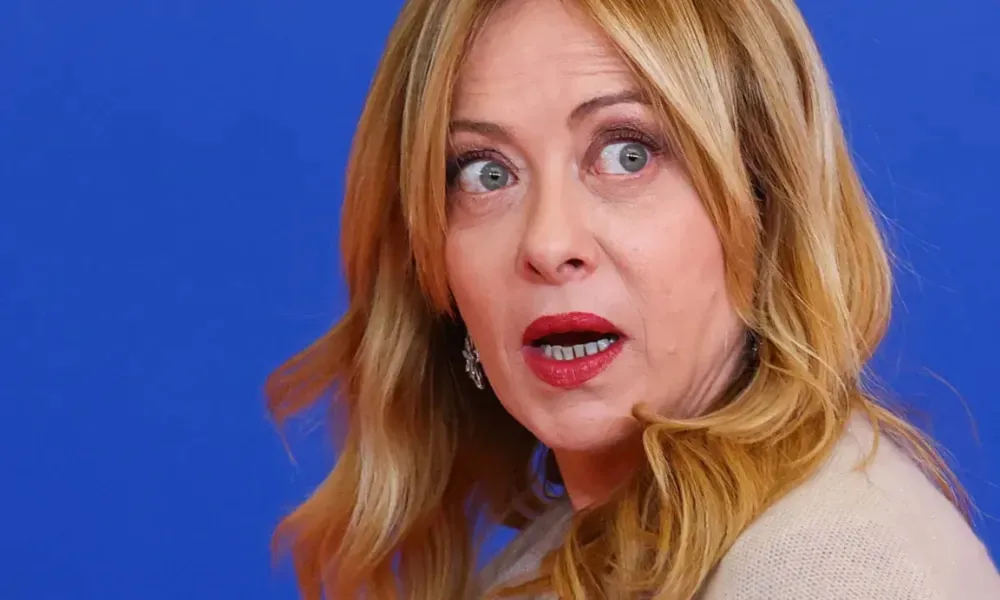

Italian Prime Minister Giorgia Meloni has renewed her proposal to place a cap on the number of foreign pupils in Italian classrooms, arguing that a more balanced distribution would support integration and prevent the creation of ghettos.
Speaking to public broadcaster Rai, Meloni said difficulties arise when children who do not speak Italian are placed in classrooms where most other pupils also do not speak the language.
“It is clearly easier to create a ghetto when you take a child who does not speak Italian and put them in a classroom where most of the children also do not speak our language,” she said.
Meloni argues for ‘greater balance’
Meloni said distributing pupils differently between classrooms could help avoid such concentrations.
“When you create classes with greater balance, with a different distribution of children, you avoid the ghetto,” she said.
The prime minister also referred to President Sergio Mattarella, saying that when he served as Education Minister he signed circulars broadly aimed at preventing large numbers of foreign children from being concentrated in the same classroom.
Mattarella, however, stressed on Monday that schools should remain central to integration.
“The school is the key to the integration of foreign pupils and must not build walls,” the Italian president said.
Burqa ban defended on security grounds
Meloni also defended her proposal to ban the burqa in schools, arguing that the issue also concerns security.
She said similar measures are already in place in around half of European countries and in several Muslim-majority countries.
The proposals form part of Meloni’s approach to integration in Italian schools, with the prime minister arguing that language acquisition, the distribution of pupils and security considerations should play a greater role in education policy.
Source: CNA