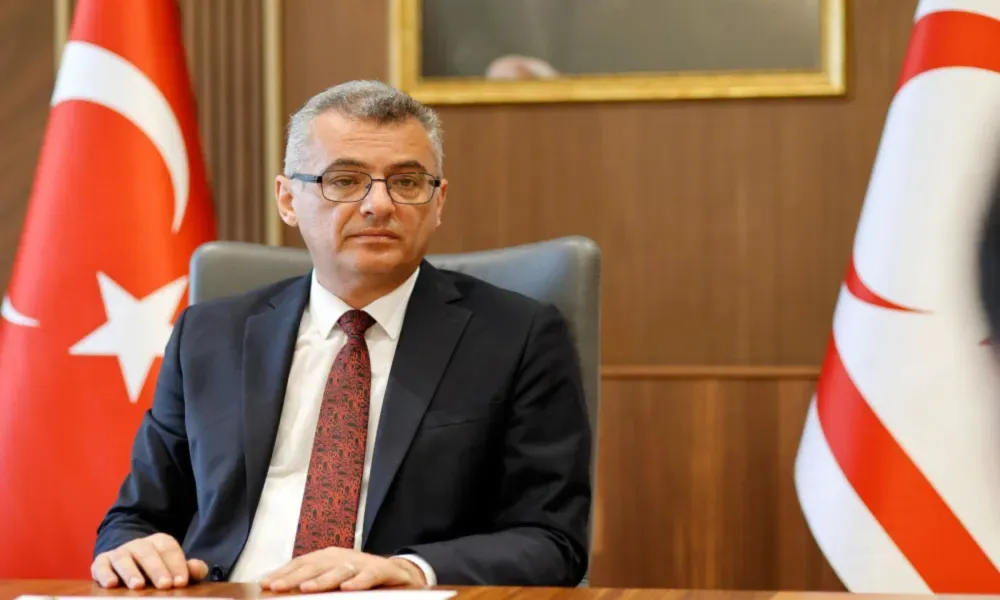

Turkish Cypriot leader Tufan Erhürman sought to temper expectations ahead of UN Secretary-General António Guterres' upcoming visit to Cyprus, saying the focus should be on building trust and agreeing a framework for talks rather than expecting a breakthrough on the Cyprus issue.
According to Kibris, Erhürman told KIBRIS TV that Guterres' visit should not be viewed as a sign that a comprehensive settlement is imminent.
"It is neither a farewell visit nor an indication that a solution is just around the corner," he said, adding that he would not participate in negotiations without substance.
"I will not negotiate for the sake of negotiating, nor attend a five-party conference for the sake of a five-party conference," he said.
Confidence-building measures first
Erhürman argued that opening new crossing points, resolving the citizenship status of children from mixed marriages and promoting cooperation in sport could help strengthen mutual trust.
He added that the content of any future solution matters more than the label attached to it, while insisting that Turkish Cypriots would not relinquish what he described as their rights over the island's energy resources, maritime zones and natural wealth.
Property and governance issues
Addressing property disputes, Erhürman accused the Greek Cypriot leadership of using legal mechanisms as a political tool and referred to the role of the 'Immovable Property Commission.'
Commenting on debate surrounding the name of the self-declared state in the north, he said its "name and system are known."
On relations with the Turkish Cypriot 'administration,' Erhürman said returning bills to the legislature should not be interpreted as disagreement with the 'government,' but rather as part of his constitutional responsibilities.
He added that differences should be resolved through dialogue and diplomacy rather than confrontation.
Source: CNA