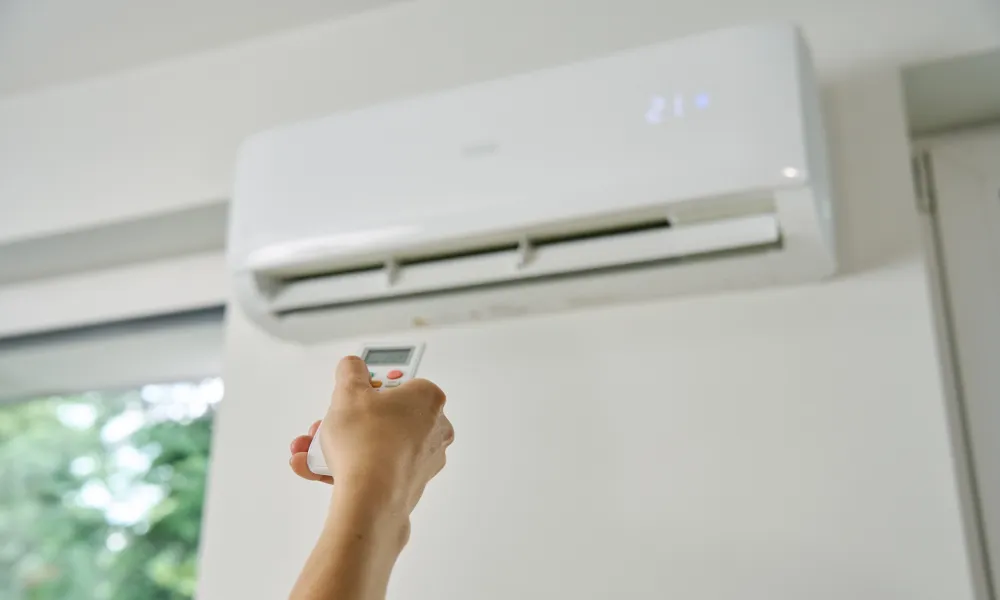

Air conditioning is the most obvious way to cope with summer heat, but it is not always used correctly. Headaches, neck strain, joint pain and allergy symptoms are among the most common complaints linked to improper use of air conditioning units.
The benefits and drawbacks of air conditioning
Air conditioning has changed daily life considerably, making it possible to stay productive during the hottest hours of the day, carry out everyday tasks while avoiding heat-related illness, and sleep more comfortably overnight. The issue lies not with the technology itself, but with how it is typically used. Poor habits around air conditioning are linked to headaches, neck stiffness, joint pain, and in some cases respiratory or gastrointestinal problems.
Setting a unit to 20 degrees Celsius when outdoor temperatures reach 38 degrees is considered one of the least advisable ways to use it, as the sharp temperature difference places unnecessary strain on the body.
Five tips for better sleep with air conditioning
Using air conditioning correctly can support good sleep without the health drawbacks. Below are five practical guidelines.
Keep the temperature gap moderate. Set the unit no more than six to seven degrees below the outdoor temperature, rather than aiming for the coldest possible setting.
Avoid direct airflow. Never point the airflow directly at your body while sleeping. Direct it upwards instead, allowing the room to cool more evenly.
Cool the room before bed, not during the night. To avoid waking up with body aches, it is preferable to run the air conditioning before going to sleep, then switch it off overnight rather than leaving it running continuously.
Clean the filters regularly. Dirty filters can release harmful microorganisms into the air, so regular cleaning helps maintain air quality in the room.
Use the timer function. Setting the unit to switch off automatically allows the body to cool naturally by a few degrees once asleep, supporting uninterrupted rest without the need for the unit to run all night.