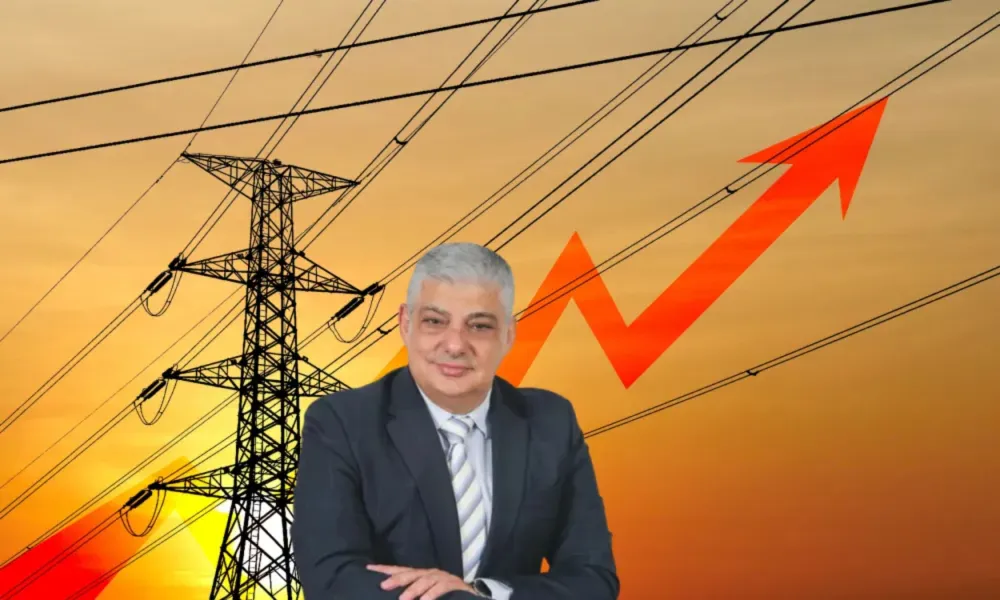

Energy storage is one of the most important projects currently under way in Cyprus's electricity system. It is expected to reduce renewable energy curtailments, improve system flexibility and security, and support the country's energy transition.
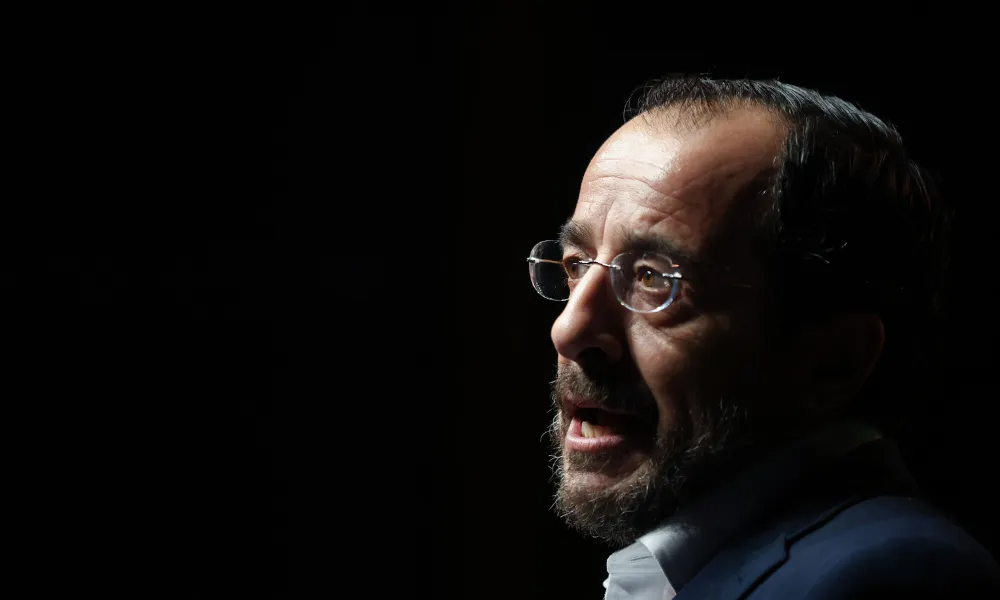
In the second part of his interview with Politis, Transmission System Operator of Cyprus (TSOC) Executive Director Stavros Stavrinou explained when the Central Storage project could come into operation, how it will function, why delays occurred, how it will coexist with private storage investments and what he expects Cyprus's electricity system to look like in the coming decade.
Central storage could be operational next year
Asked whether central storage could be available by next summer, Mr Stavrinou said that, provided existing schedules are maintained and no new unforeseen delays emerge, the system could become operational within the next year.
He described the project as particularly important because it will help reduce renewable energy curtailments, especially from residential installations, while increasing system flexibility and improving energy security.
Why the project was delayed
Mr Stavrinou said the roughly one-year delay reflects the complexity of large public infrastructure projects, which require numerous institutional and administrative procedures before implementation can begin.
Key factors affecting the timetable included obtaining all required approvals and licences from regulators and other authorities, securing co-financing arrangements and completing procurement procedures.
While those steps required time, he said they were necessary to ensure transparency, sound management of public resources and the selection of reliable technical solutions.
Framework to be submitted to regulator
The storage systems owned by the TSOC will be operated by the operator itself.
According to Mr Stavrinou, the facilities are being installed under a derogation and regulatory approval granted by the Cyprus Energy Regulatory Authority (CERA) for the purpose of enhancing electricity system security.
As commercial storage projects enter the market, those private facilities will be given priority in providing services and participating in the electricity market.
The TSOC-owned systems will provide ancillary services to improve reliability and security, absorb part of the renewable energy that would otherwise be curtailed and contribute to generation adequacy during periods when renewable production is low.
Mr Stavrinou said the TSOC is preparing the key principles of the operating framework, which will be submitted to CERA for consultation.
A central principle of the framework, he added, is to ensure that the operation of the storage systems has as little impact as possible on the electricity market.
Private storage investment growing
Asked about private storage licences, Mr Stavrinou said that only one small hybrid renewable energy installation currently connected to the distribution network incorporates a storage system, with a capacity of 1.8MW and storage capability of 5MWh.
Operational testing has been completed and the facility now participates in the electricity market as a hybrid installation.
At the same time, investor interest is strong.
The TSOC has issued preliminary and final connection terms for standalone storage projects with a combined capacity exceeding 200MW and approximately 500MWh of storage.
It has also issued final connection terms for privately owned hybrid systems with capacity of 29MW and storage capability of around 100MWh.
Residential batteries require individual assessment
On residential storage systems, Mr Stavrinou said the TSOC does not possess sufficient expertise to offer definitive advice.
Speaking personally, he said modern domestic storage systems are generally safe when they comply with international standards, have appropriate certification and are installed by qualified professionals.
However, economic viability requires an individual cost-benefit assessment that takes into account supplier tariffs, support schemes, household consumption patterns and other factors.
Competitive market experiencing early challenges
Reflecting on the first 10 months of Cyprus's competitive electricity market, Mr Stavrinou said some difficulties emerged during the initial phase, although energy trading itself functioned without major problems.
The main challenge involved the collection of metering data required for monthly settlements.
This resulted in a delay of almost four months before the first monthly settlement could be completed.
He said significant efforts have reduced the backlog and that no further delays are expected after September.
Mr Stavrinou also noted that some market participants were not fully prepared for live market operations despite extensive testing periods.
The TSOC, he said, continues to work closely with participants to help them better understand the complex dynamics and procedures of the market.
Prices now vary throughout the day
One of the most significant changes brought by the competitive market is the variation in electricity prices by time of day and season.
According to Mr Stavrinou, the market produces 48 separate electricity prices each day, with prices determined every half hour based on supply and demand.
"We see zero prices at midday and high prices in the evening," he said.
He described these price differences as an essential tool for implementing reforms such as demand response programmes and dynamic electricity tariffs.
Mr Stavrinou said competition in the market also provides the incentive for investments that can reduce electricity costs, including energy storage.
Responding to criticism of the market model, he stressed that Cyprus operates under the EU Target Model, the common framework used across the European Union.
As Cyprus prepares for future electricity interconnection with Greece, the country cannot and is not permitted under EU regulations to deviate from those common market rules.
A greener and more flexible system
Looking ahead 10 years, Mr Stavrinou said he expects Cyprus's electricity system to become substantially more modern, flexible and environmentally friendly.
He said the energy transition is already under way and that projects currently being implemented will form the basis of a system capable of supporting significantly higher levels of renewable energy generation without compromising reliability.
Over the next decade, he expects large-scale energy storage systems to be operating, major upgrades to the transmission network to be completed, more efficient and flexible generating units to be introduced and digital and smart-grid technologies to play an even larger role.
If electricity interconnection with neighbouring systems proceeds, Cyprus will gain additional flexibility and energy security.
Mr Stavrinou argued that these developments will ultimately benefit consumers by enabling greater utilisation of renewable energy, reducing curtailments, lowering dependence on conventional fuels and improving reliability.
He added that increased competition, wider use of storage technologies and more efficient system operation should help create the conditions for more competitive electricity prices over the long term.
"I am optimistic," he said, "that if the necessary infrastructure projects continue and all stakeholders maintain their cooperation, Cyprus will have a more resilient, cleaner and more efficient electricity system within the next decade, benefiting both the economy and society."