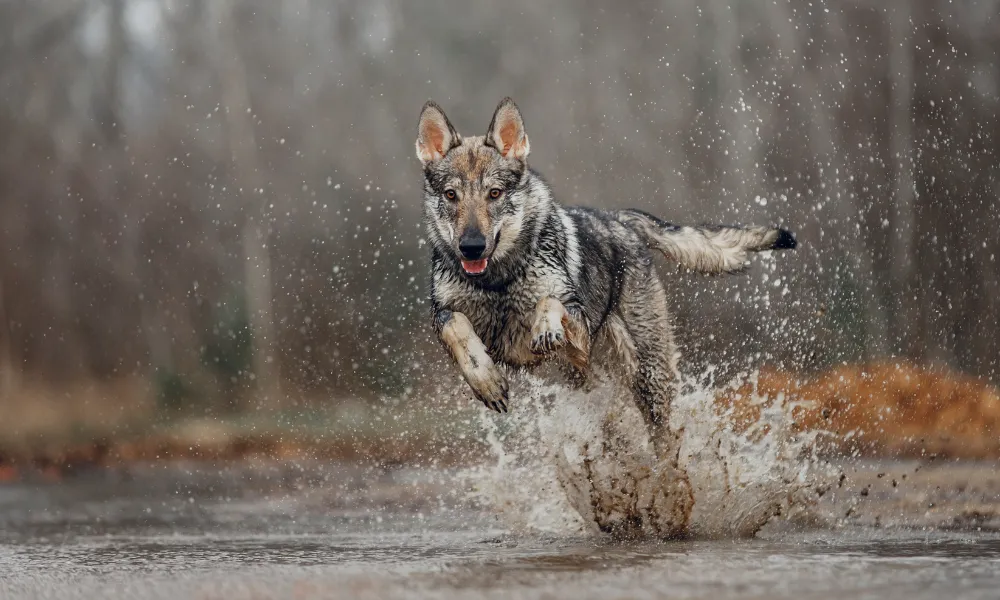

Wolfdogs are becoming increasingly fashionable among people drawn to their wild appearance, intelligence and closeness to wolves. But behind the appeal of these striking animals, conservationists and animal welfare experts warn of a growing problem.
The best-known breeds, including the Czechoslovakian wolfdog, were originally developed by crossing domestic dogs with wolves. Today, they are sold across Europe and North America as unusual companion animals, often promoted online through social media and popular culture. Their popularity has helped create a market in which puppies can sell for thousands of euros.
Experts say many buyers underestimate what ownership involves. Wolfdogs can be powerful, anxious and difficult to manage, especially in normal homes or urban settings. Unlike most domestic dogs, they may be less comfortable with human control and often need space, structure and highly experienced handling. Sanctuaries in North America say they regularly receive calls from owners who can no longer cope once the animals reach maturity.
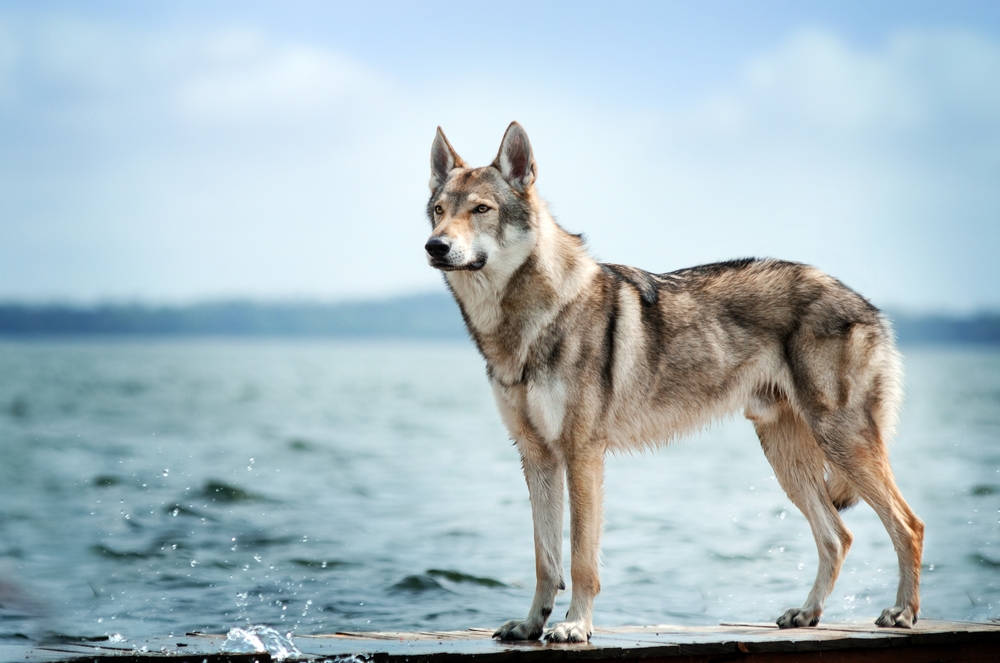
The trade also raises wider conservation concerns. In parts of Europe, domestic dogs and wolves are interbreeding in the wild, creating hybrids that may threaten the genetic identity of recovering wolf populations. The issue is particularly sensitive in areas where wolves have only recently returned after decades of decline.
Researchers say the problem is made worse by illegal breeding, weak oversight and the movement of animals across borders. In Italy, authorities have previously seized hundreds of hybrids believed to have been bred unlawfully with wolves from other regions. Yet the legal line between dog, wolfdog and wolf remains difficult to define.
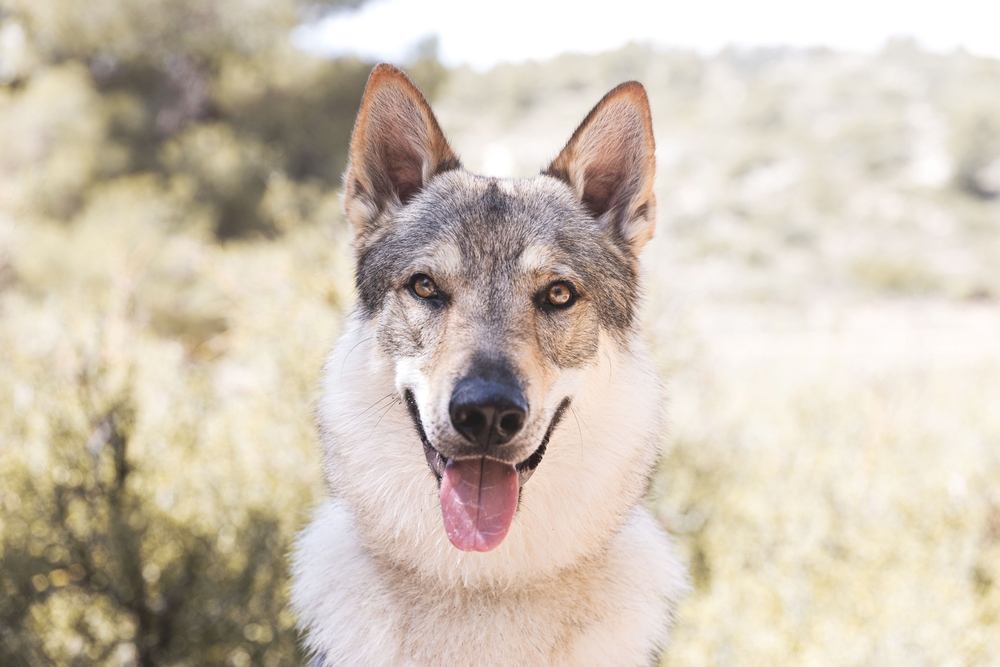
That uncertainty has created uncomfortable questions for policymakers. A high-content wolf hybrid kept by a private owner may be treated differently from a similar animal living in the wild. Conservationists argue that stronger controls are needed to protect both wolves and the animals bred for the pet trade.
Supporters of wolfdogs say the animals should not be blamed for human choices. But even some people who work with them agree that they are not suitable for most households.
For critics, the issue comes down to responsibility. Humans domesticated dogs thousands of years ago. The new appetite for recreating something closer to the wolf, they warn, risks producing animals that fit neither world comfortably.
With information from National Geographic