


Roberto Mosquera had never heard of Eswatini before he was flown there, Nicholas Casey writes. He stepped off a US military cargo plane into a cold morning, thirty hours after immigration agents in Texas had put him on a secret flight, according to The New York Times Magazine, which spoke with Mosquera by video call from inside the prison where he has now spent more than a year. Mosquera, 59, arrived in the United States from Cuba as a child during the 1980 Mariel boatlift and had not left the country since. A gang-related shooting conviction in his twenties would ordinarily have made him deportable, the Times reported, but Cuba refused to take back its nationals, so Mosquera was allowed to remain in the country for decades, provided he checked in annually with immigration authorities. He built a life as a specialty plumber, married and had four daughters. Then, at a routine immigration appointment last year, he was told his time in the United States was over.
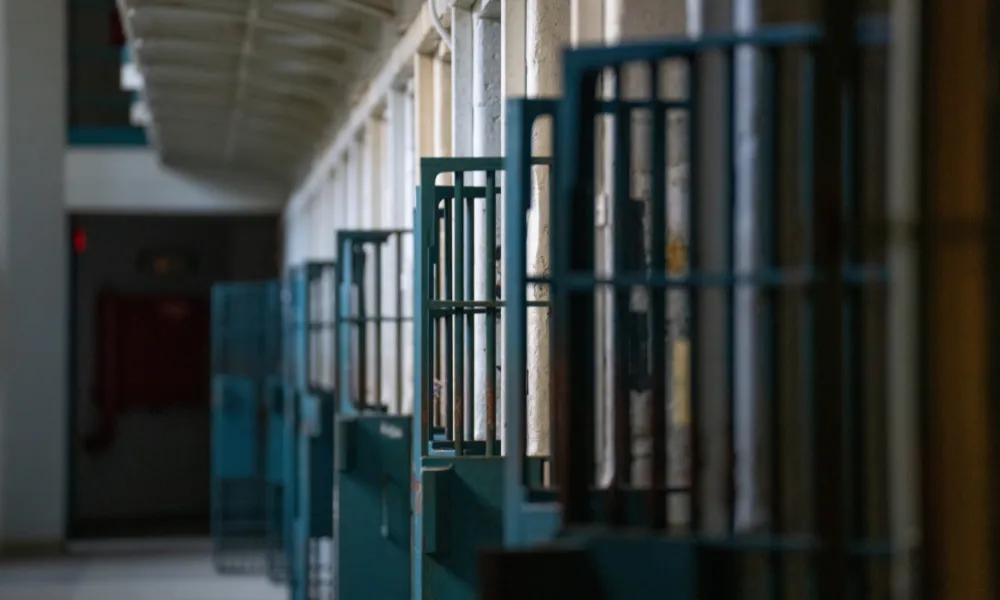
Unable to send him to Cuba, the government instead placed Mosquera on a series of flights that ended in Eswatini, a small monarchy in southern Africa, alongside four other detainees from Jamaica, Laos, Yemen and Vietnam, the Times reported. On arrival, the group was driven under guard to the Matsapha Correctional Complex, Eswatini's maximum-security prison, where Mosquera remains held without charge. He has developed glaucoma in detention and, according to the Times, has lost significant vision in both eyes.
A widening net of countries
Mosquera's case is one of dozens the Times identified in which deportees have ended up in long-term, indefinite detention abroad, unable to return home and unable to be tried, appeal or be released in the country holding them. According to human rights lawyers cited by the newspaper, at least 19 men are held in similar conditions in Eswatini and another six or seven in South Sudan. The practice of sending deportees to countries other than their own is not new, but it has expanded sharply, the Times reported. At least 35 countries have now signed agreements to accept deportees under the current US administration, according to Third Country Deportation Watch, a monitoring group cited in the piece, up from a handful of early arrangements in Central America during Trump's first term. Other tracking groups put the total number of people sent to third countries at roughly 22,000 across at least 26 nations as of earlier this year, a scale that a minority staff report from the Senate Foreign Relations Committee has described as the transformation of a once-rare practice into a standing system of global removals.
Eswatini received $5.1 million under its arrangement with Washington, the Times reported, one of many payments the administration has made to often unstable or autocratic governments in exchange for holding deportees. A similar arrangement drew international attention when El Salvador's president, Nayib Bukele, accepted $6 million in 2025 to detain roughly 250 Venezuelan migrants in his purpose-built mega-prison, some of whom later said they had been abused in custody. Legal challenges to the broader practice are ongoing in US courts. A federal judge in Boston ruled earlier this year that deportees must be given meaningful notice and an opportunity to raise country-specific objections before removal, a decision the administration has appealed. Rights groups argue that deporting people with legal protection against return to their home countries into a third country that may in turn send them onward amounts to what is known in international law as chain refoulement, banned under the Convention Against Torture. "The US is exploiting that protection by deporting them to other countries instead," Bella Mosselmans of the Global Strategic Litigation Council told the Times.
Life inside Matsapha
Conditions inside the Eswatini prison, as described to the Times, include food shortages, frequent power outages and reliance on relatives wiring money through Western Union for extra supplies. Among those held with Mosquera is Kassim Saleh Wasil, 71, a longtime US permanent resident originally from Yemen who served twenty years for a 1999 murder conviction before his deportation. Wasil told the Times he fears dying without a proper burial in what he called a Christian country. Another detainee, Juan Carlos Font Agüero, a Cuban national who had agreed to be deported to Mexico, described his removal to Eswatini instead as being "kidnapped, pure and simple." Only two of the men who arrived with Mosquera have since been returned to their countries of origin, the Times reported, and it remains unclear why others, including a Jamaican man whose government said it had not blocked his return, were sent to Eswatini in the first place.
Mosquera went on a month-long hunger strike last autumn, the Times reported, after officials pressed detainees to sign papers stating they had declined legal counsel. He recorded his deteriorating condition in a handwritten diary before ending the strike on his lawyer's advice. His lawyer, Alma David, described the situation facing her clients as a legal black hole. The Department of Homeland Security has defended the practice, telling the Times in a statement that third-country agreements "ensure due process under the US Constitution" and are essential to national safety.
Mosquera told the Times that new arrivals at the prison always ask him the same question, how long he has been there. "I tell them a year," he said. "And they get sick to their stomach."
Sources: The New York Times Magazine, Migration Policy Institute, Third Country Deportation Watch, US Senate Committee on Foreign Relations