


Three days after the former Cambridge professor, Jason Arday, was found dead at a property in Battersea, south London, Britain remains split between those who see his treatment as a racially driven media campaign and those who maintain the scrutiny of his record.
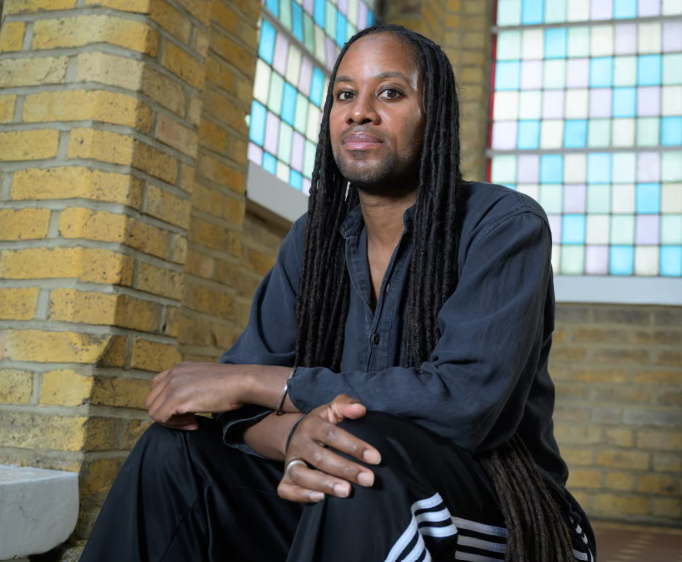
Arday, 41, became Cambridge's youngest Black professor when he was appointed to the sociology of education chair in February 2023, having overcome a childhood diagnosis of autism and a period in which he did not read or write until he was 18. He resigned on 5 August, days after Cambridge announced it would investigate "new information" about his academic qualifications and honorary appointments, and weeks after a Cambridge researcher, Nathan Cofnas, first published allegations that his 2015 PhD thesis contained plagiarised passages. Liverpool John Moores University, which awarded the doctorate, reviewed the claims and upheld its decision, though Arday acknowledged citation errors. The scrutiny widened to his charity fundraising claims and to his account of childhood muteness, and Cofnas was later dismissed by Cambridge over his outrageous remarks linking race and intelligence.
How the scrutiny unfolded
Arday's appointment to the Cambridge chair in February 2023, at 37, was framed by the university as a milestone, with a press release describing him as a "renowned sociologist" who had overcome childhood illiteracy and a speech delay linked to autism. Questions about his record surfaced after Nathan Cofnas, who described himself as a "race realist," used a Substack post to allege that Arday's 2015 doctoral thesis closely mirrored an earlier paper. Cofnas was later dismissed by Cambridge over his racist comments, but the questioning of Arday continued to widen, eventually reaching claims in the media that he had appeared on a television documentary broadcast before he was born and that a pig's head had been sent to his home, alongside renewed doubts over his account of childhood muteness. By the time Arday resigned on 5 August the story had generated more than 200 articles in the British national press, more than 60 of them in The Times alone, and had drawn coverage in the United States.
A campaign of sustained abuse
Prime Minister Andy Burnham called Arday's death "a tragedy on so many levels" and said it was "not a moment for any rushing to judgment" but one for reflection on how matters reached this point. London mayor Sadiq Khan went further, describing Arday as the victim of "a pernicious public shaming that other people in his position simply wouldn't have faced." Arday's family, in a statement released through his publisher, Simon & Schuster UK, said he had endured a "campaign of sustained abuse" since taking up the Cambridge post, driven by people who "would leave no stone unturned in their quest to undermine him." A friend and colleague, the Autism Research Centre director Simon Baron-Cohen, said Arday's mental health had visibly deteriorated in his final days and that he had sent a voice note saying he felt he could not go on.
A tirade of racism
The National Education Union's Daniel Kebede said the coverage of Arday had "unleashed a tirade of racism," arguing it went far beyond legitimate scrutiny to become "a sustained public campaign that turns an individual into a symbol of everything the right believes is wrong with DEI." The Labour MP Bell Ribeiro-Addy told Newsnight that other academics found to have plagiarised or falsified work faced nothing like the same treatment, and that the distinguishing factor was race. The anti-racism group Stand Up to Racism has organised a vigil at the National Gallery in Trafalgar Square, with co-convenor Weyman Bennett describing the coverage Arday faced as the product of a coordinated campaign rather than ordinary journalistic accountability.
Calls for an inquiry
Supporters of Arday have written to Burnham calling for a public inquiry into press conduct, a letter that had gathered more than 34,000 signatures by Sunday. It argues his death was "the direct, foreseeable and foreseen result of press harassment" and that self-regulation of the press "has comprehensively failed." A memorial fundraiser set up by the Windrush campaigner Patrick Vernon has grown quickly since Saturday, passing £90,000 from thousands of donors toward covering funeral and family costs, though the total continues to rise and any figure published risks being out of date within hours.
Cambridge under scrutiny
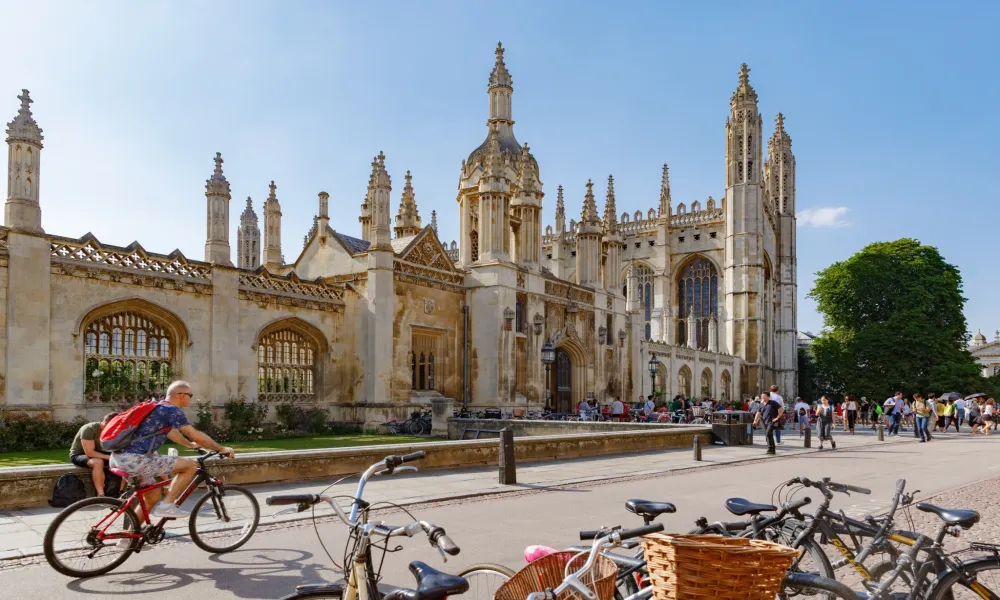
The university, which initially defended Arday's appointment and record before opening an internal investigation this month, said it had provided him with counselling, wellbeing support and security measures throughout his time there and after his resignation. Vice-chancellor Deborah Prentice said she was "desperately saddened" by his death and confirmed the university would review how it appoints senior staff, though it faces continuing questions over why it did not act sooner and whether the support it offered was sufficient given the scale of the scrutiny Arday faced.
Sources: Associated Press, CNN, The Guardian