
When influencer Alix Earle recently revealed that she has never read a book from beginning to end, the internet reacted as though she had confessed to never using a fork. There was disbelief, mockery and a fair amount of self-congratulation from people eager to assure everyone that they, unlike Alix Earle, had read books.
What interested me more was how many people seemed to recognise themselves in the confession. Not because they had never read a book, but because they had not finished one in years.
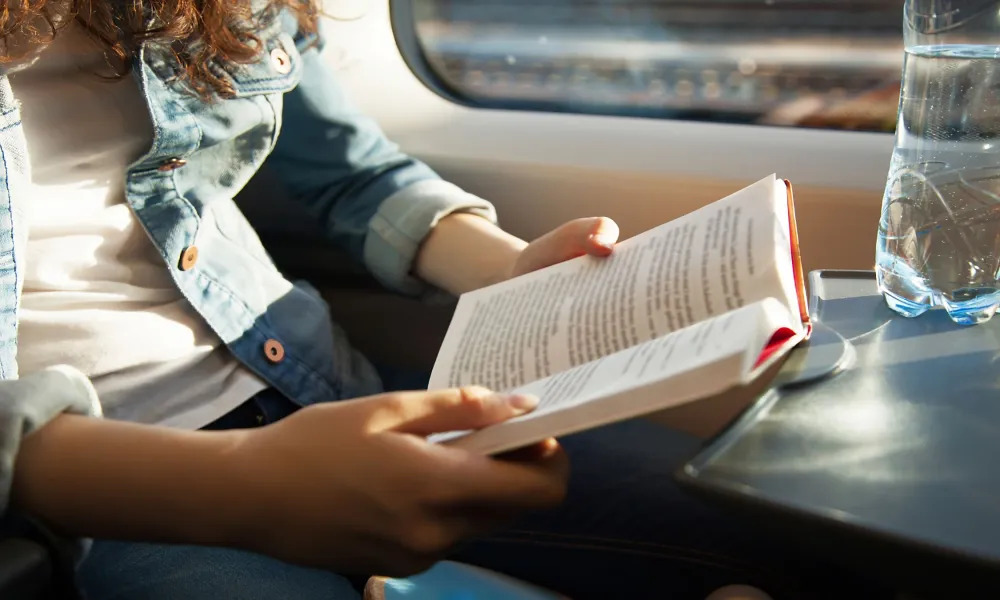
Reading occupies a strange place in modern life. Most of us spend our days surrounded by words. We read messages, captions, emails, headlines, comments and notifications. Yet somehow, sitting down with a book feels increasingly difficult.
I am not sure this is a literacy problem as much as it is an attention problem.
We have become accustomed to content that arrives in fragments. Stories come to us in clips, highlights and algorithms. If something fails to hold our interest within seconds, there is always something else waiting beneath it. A book, by contrast, asks you to stay.
Perhaps that is why so many people who claim they dislike reading often discover they do not dislike reading at all. Nobody ever gave them the right book. Instead, they are handed a classic. Every time somebody admits they are not a reader, they are presented with a list of novels they are apparently supposed to appreciate. Reading begins to resemble an exam rather than a source of enjoyment.
The first book somebody reads should not feel virtuous. It should feel addictive.
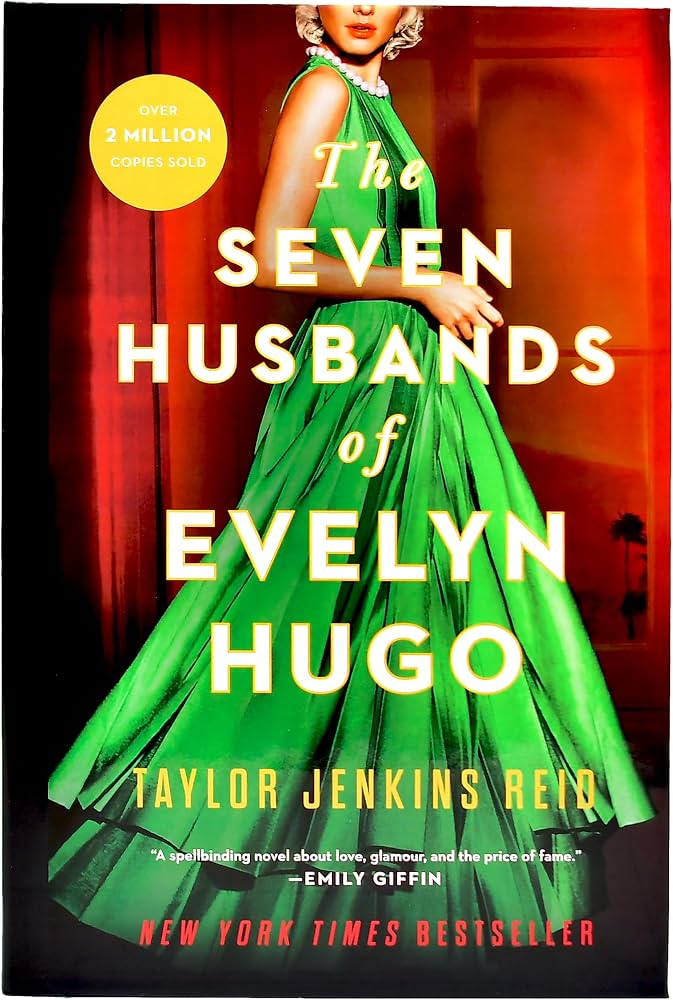
If Alix Earle walked into a bookshop tomorrow and asked me where to start, I would probably send her towards The Seven Husbands of Evelyn Hugo. It is glamorous, dramatic and impossible not to talk about once you finish it.
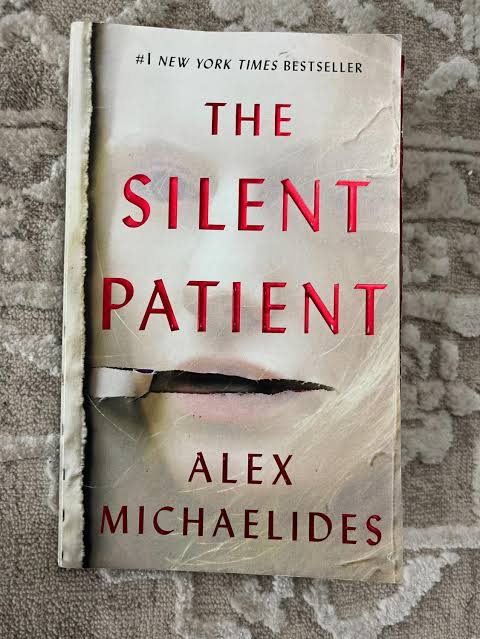
Then there is The Silent Patient by Alex Michaelides, one of our very own. A woman murders her husband and then never speaks another word. The less you know before picking it up, the better.
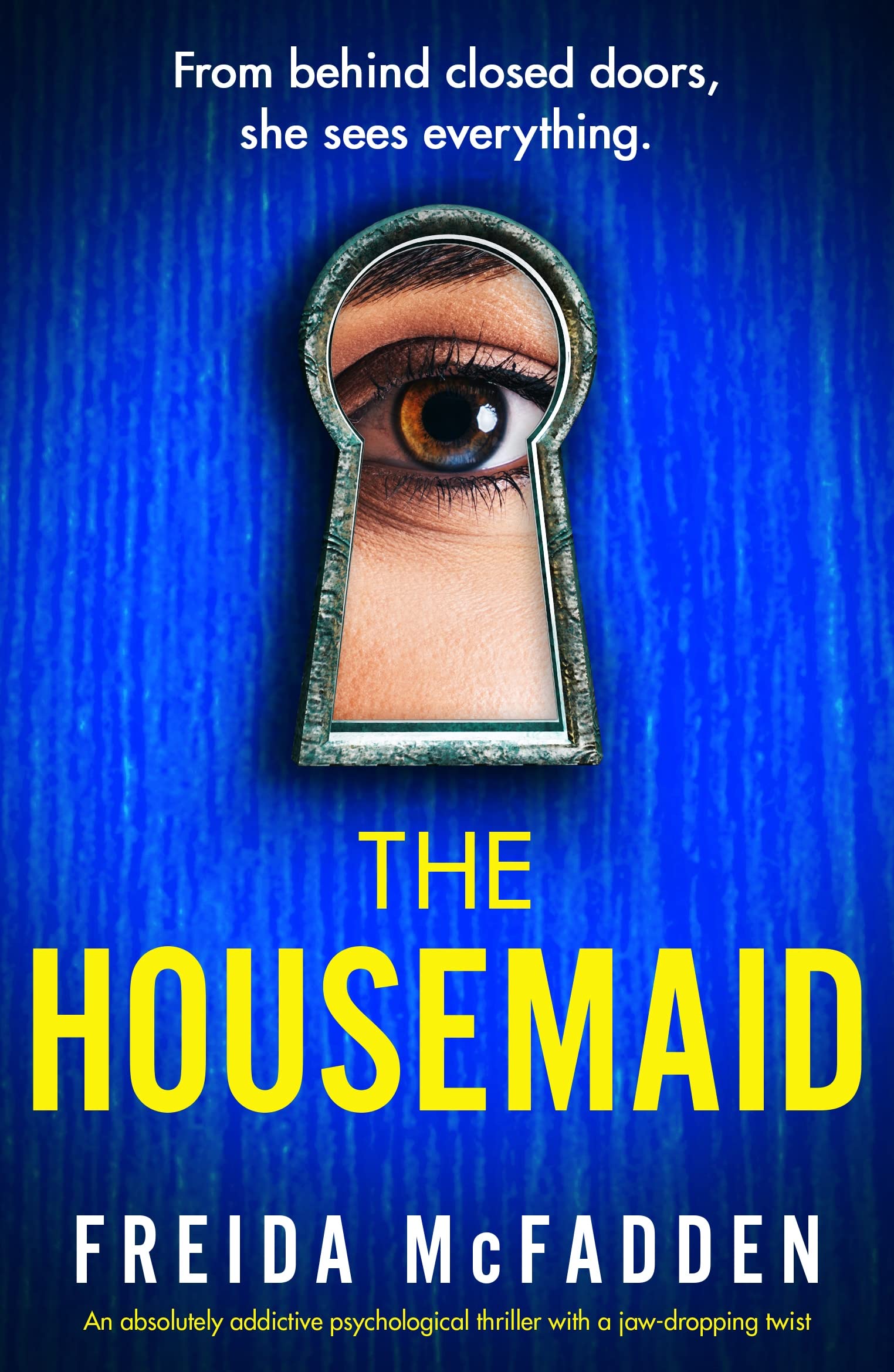
I would also recommend Freida McFadden's The Housemaid. Her chapters are short, her pacing relentless and her twists impossible to resist. You tell yourself you will read one chapter and suddenly it is midnight.
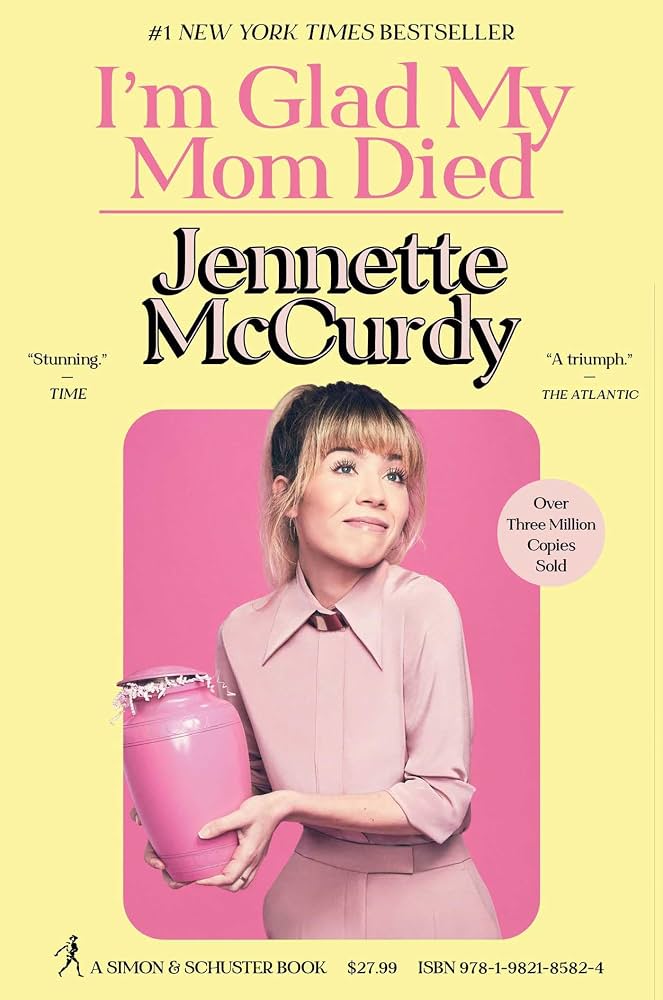
And for those who insist they only care about real stories, there is Jennette McCurdy's I'm Glad My Mom Died, a memoir so honest and readable that it feels less like reading a book than listening to a conversation.
What these books have in common is momentum. They make you want to know what happens next.
That sounds obvious, but perhaps we have forgotten how important it is. We often treat reading as a form of self-improvement, something worthy and admirable. But most people who genuinely love books did not become readers because they felt they should. They simply stumbled across a story that kept them awake long past bedtime.
Perhaps that is why Alix Earle's confession resonated with so many people. Not because she has never finished a book, but because a surprising number of people recognised some version of themselves in the admission. People who keep meaning to read. People who buy books and leave them on bedside tables. People who, somewhere between endless scrolling and ordinary adult life, quietly fell out of the habit.
Maybe the answer is not another lecture about the importance of literature.
Maybe it is simply finding the story that makes you forget to check your phone.